The Guide: Throw Pillows
Size up
Which inserts to buy
The Thoughtful Guide to Throw Pillows
Throw pillows are the quiet finishing touch of a well-designed room. They soften hard lines, introduce pattern and texture, and—when done well—make a space feel layered and intentional. Yet many homes either have too few pillows to make an impact or so many that the sofa becomes unusable.
This guide walks through everything you need to know: sizing, inserts, styling applications, and the small details that separate a polished look from pillow chaos.
Why Throw Pillows Matter
Throw pillows serve both aesthetic and practical purposes:
They add comfort and support
They introduce color and pattern without major commitment
They help visually balance furniture
They soften structured upholstery
Think of them as jewelry for your room—small, but transformative.
Pillow Sizes: The Foundation of Good Styling
The most common mistake is using pillows that are too small. Undersized pillows look skimpy and rarely fill out adult-scale furniture.
Standard Square Sizes
22" x 22"
Your workhorse size. Ideal for most sofas and sectionals. Creates a full, tailored look.
24" x 24"
Best for deep sofas or larger sectionals. Adds a more luxurious, designer feel.
20" x 20"
Good for layering in front of larger pillows, but usually too small to stand alone on a main sofa.
18" x 18"
Better suited for chairs, benches, or beds—not primary sofa pillows.
Lumbar Pillows
12" x 20" or 12" x 24"
Perfect for breaking up a row of squares and adding structure.
14" x 36" (extra-long lumbar)
Beautiful on beds or large sectionals; creates a more tailored, modern look.
Rule of thumb: Larger furniture requires larger pillows. When in doubt, size up.
How Many Pillows You Actually Need
Balance is everything. The goal is comfort without clutter.
For a Standard Sofa (72–84")
2 large squares (22" or 24")
1 lumbar or
2 large squares per side for a fuller look
For a Sectional
3–5 pillows total, depending on scale
Anchor the corners first
Avoid lining every seat with pillows
For Accent Chairs
Usually just one pillow
Occasionally two for oversized chairs
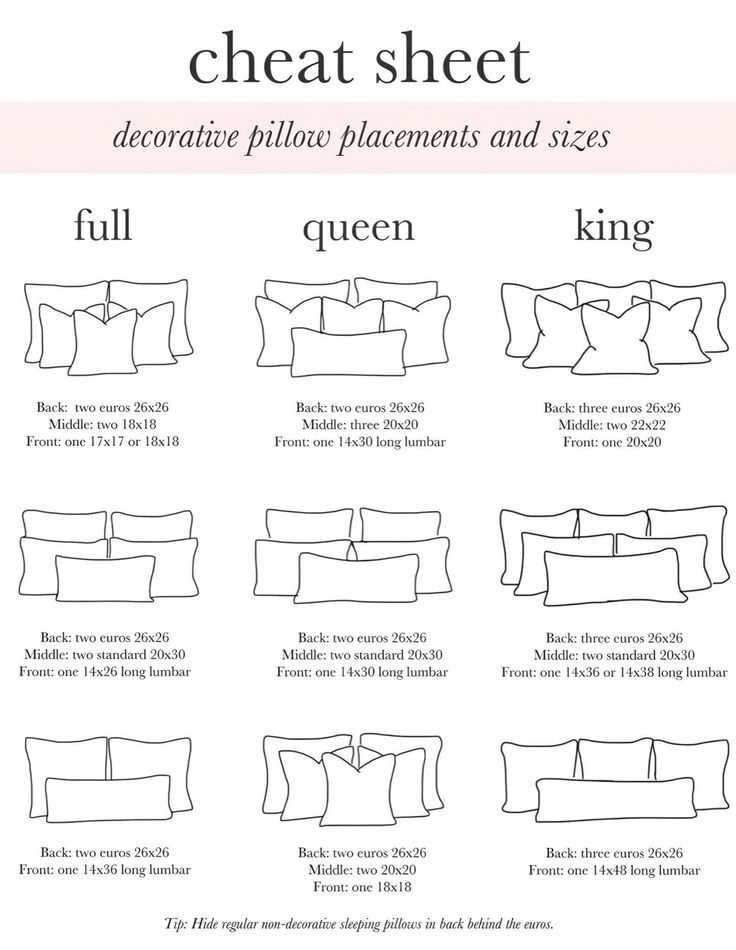
For Beds
Euro shams in back
Standard or queen pillows
1 lumbar or small accent pillow in front
If guests must perform pillow gymnastics to sit down, you have too many.
Insert Fillers: Down vs. Alternative
The insert is where quality truly shows. A beautiful cover with a limp insert will always look disappointing.
Down or Feather Inserts (Designer Favorite)
Pros
Soft, relaxed look
Easy to "karate chop"
Molds comfortably
Feels luxurious
Cons
Requires occasional fluffing
Not ideal for severe allergies
Usually more expensive
Best for: Living rooms, primary bedrooms, and any space where polish matters.
Down-Alternative Inserts
Pros
Hypoallergenic
Holds shape well
Typically more affordable
Lower maintenance
Cons
Can look stiff
Less drape and softness
Harder to achieve designer look
Best for: Kids' rooms, high-traffic family spaces, budget-friendly projects.
The Golden Rule of Inserts
Always size your insert 2 inches larger than the pillow cover.
22" cover → 24" insert
20" cover → 22" insert
This creates that full, tailored, slightly overstuffed look designers aim for.
Styling Combinations That Always Work
You do not need dozens of patterns. Thoughtful restraint feels more elevated.
The Classic Layer
Large solid or subtle texture in back
Patterned pillow in front
Optional lumbar centered
The Balanced Mix
1 large solid
1 medium-scale pattern
1 small or subtle pattern
The Quiet Luxury Look
Similar tones
Heavy on texture (linen, velvet, boucle)
Minimal contrast
The Collected Family Room
Durable fabrics
Slightly more pattern
Performance materials welcome
Fabric Choices and When to Use Them
Linen – relaxed, breathable, perfect for casual spaces
Velvet – rich and formal, beautiful in living rooms and bedrooms
Bouclé – highly textural and cozy
Performance fabrics – ideal for homes with kids or pets
Wool or heavy weave – wonderful for fall and winter layering
Seasonal rotation keeps your room feeling fresh without a full redesign.
Common Throw Pillow Mistakes
Avoid these and your room will instantly feel more considered:
Using pillows that are too small
Matching everything too perfectly
Overcrowding the sofa
Forgetting texture variation
Using flat inserts
Ignoring scale relative to furniture
A Simple Formula to Start With
If you want an easy, foolproof setup for most sofas:
Two 22" or 24" pillows (one on each end)
One lumbar in the center
Inserts sized up by 2"
Mix one solid and one pattern
Clean, comfortable, and always appropriate.
Final Thoughts
Throw pillows should make a room feel inviting, not overworked. When sized properly, filled generously, and edited thoughtfully, they create that subtle, finished feeling that defines a well-loved home.
Start simple, invest in good inserts, and remember: comfort and restraint will always look more timeless than excess.