

The dishwasher is one of the great conveniences of modern homemaking. Used properly, it saves time, conserves water, and does a remarkably good job of cleaning everything from everyday dinner plates to delicate glassware. Yet, despite how frequently we use it, most of us give little thought to how it actually works.
A few simple habits—loading dishes thoughtfully, choosing the appropriate wash cycle, and keeping the machine clean—can make a noticeable difference in both the results and the longevity of the appliance.
Here is everything you need to know to get the most out of your dishwasher.
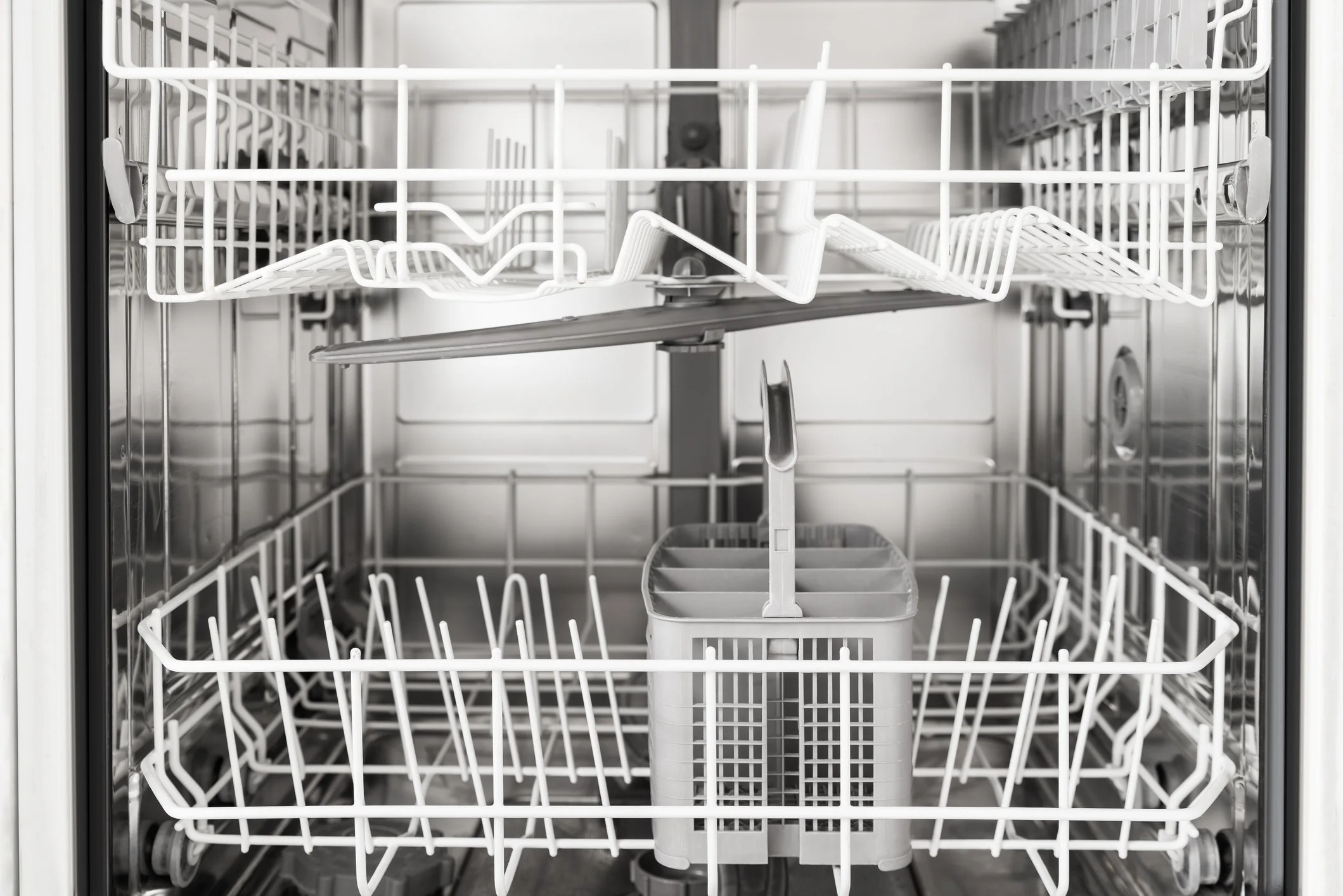
SHould You Pre-Rinse?
In most cases, no. Modern dishwashers and detergents are designed to remove ordinary food residue. Thoroughly pre-rinsing dishes under running water generally wastes water and adds an unnecessary step.
Instead, scrape bones, large scraps, seeds, and other food debris before loading.
If dishes will sit for a day or two in the dishwasher before washing, use your dishwasher's rinse-only cycle to prevent food from drying onto the surfaces and developing odors.
How to Load
Loading a dishwasher is both art and science. The goal isn't necessarily to fit as much as possible, but rather to arrange everything so that water and detergent can reach each surface.Many dishwashers have an adjustable upper rack that can be raised or lowered to accommodate taller glasses, large serving dishes, or oversized cookware.
The bottom rack is generally designed for larger, sturdier pieces: dinner plates, serving dishes, pots, and pans.
Plates — Arrange plates in the designated slots, facing toward the center of the dishwasher where possible. Leave enough space between them for water to circulate.
Pots and Pans — Place dishwasher-safe cookware at an angle, with the dirty surfaces facing the spray arms. Avoid nesting pieces together.
Large Serving Dishes — Position these along the sides or back, making sure they don't block the detergent dispenser or spray arms.
Cutting Boards — Only put dishwasher-safe boards in the machine. Wooden boards should be washed by hand.
The top rack is generally better suited to smaller, lighter, and more delicate items.
Glasses and Cups — Place them upside down at a slight angle so water can drain. Position them between the rack tines rather than over them, if your rack is designed that way.
Bowls — Angle bowls downward and toward the spray, avoiding overlapping or nesting.
Small Dishes — Dessert plates, saucers, and other small pieces generally belong here.
Dishwasher-safe Plastics — Keep plastics on the top rack unless the manufacturer specifies otherwise, and make sure lightweight pieces are secure.
How you arrange the silverware basket or tray can make a surprising difference.
Mix forks, spoons, and knives to prevent similar pieces from nesting together. Avoid overcrowding the compartments.
Follow your basket's design for utensil orientation; many work best with a mixture of handles up and down. Place sharp utensils with their points facing down for safety.
If your dishwasher has a third rack, use it for flatware, serving utensils, and small items, arranging them so they don't overlap.
A Few Rules Worth Remembering…
Never stack or nest dishes. Every surface needs exposure to water.
Check that the spray arms can rotate freely before starting a cycle.
Don't block the detergent dispenser with a large plate or pan.
Avoid overloading. A slightly less crowded dishwasher often produces much cleaner dishes.
Place lightweight items securely so they cannot flip over and collect water.
Angle cups, bowls, and other concave pieces downward to encourage proper drainage.
Understanding Dishwasher Cycles
Most dishwashers offer several wash settings, but it's not always obvious which to choose. Although the names and exact functions vary by manufacturer, the following are the most common.
CycleBest ForWhat It DoesAuto / SensorEveryday mixed loadsAdjusts washing based on detected soil levelsNormalEveryday dishesBalances cleaning, water, and energy useHeavy / Pots & PansCookware and heavily soiled dishesUses a more intensive wash, often with higher temperaturesQuick / ExpressLightly soiled dishesShortens wash time, sometimes using more water or energyDelicate / GlassDishwasher-safe delicate itemsUses gentler washing conditionsEcoEveryday loads when time allowsPrioritizes efficiency, often with a longer cycleRinse / HoldDishes waiting for a full loadRinses without detergent; not a complete wash
For most households, the Normal or Auto cycle is the best everyday choice. Both are designed to handle the dishes produced by regular meals without requiring unnecessarily intensive washing.
Use Heavy for particularly dirty cookware and Quick when you need lightly soiled dishes cleaned in a hurry.
A longer cycle doesn't necessarily mean greater water or energy consumption. Eco cycles, for example, often run longer because they use lower temperatures or more efficient washing methods.
Many dishwashers also include optional features that can be added to a wash cycle.
Sanitize: Uses a higher-temperature final rinse to reduce bacteria when the cycle meets the appropriate sanitizing standard. Particularly useful for dishwasher-safe baby items and certain food-preparation tools.
Extra Dry / Heated Dry: Adds heat or drying time to improve results, especially for plastics.
Air Dry / No Heat Dry: Reduces or eliminates heated drying to conserve energy, though dishes may take longer to dry.
High Temp Wash: Increases wash temperature to help remove grease and stubborn residue.
Half Load: Designed for smaller loads on models equipped with this feature.
Delay Start: Allows you to schedule a cycle for later, such as overnight.
The exact operation of these settings varies by appliance, so your dishwasher's manual is the best reference.
Detergent & Rinse Aids
Dishwasher detergent comes in three common forms: pods or tablets, powder, and gel.
Pods and tablets are convenient, premeasured, and generally effective. Many contain a combination of detergent, enzymes, and water-softening ingredients.
Powder allows you to adjust the quantity depending on the size of the load, soil level, and water hardness. Keep it tightly sealed and dry.
Gel is easy to dispense but may not perform as well as some enzyme-based powders or tablets on certain food soils.
For everyday use, a good-quality dishwasher tablet or powder is an excellent choice.
A few things to keep in mind:
Always use detergent specifically formulated for automatic dishwashers. Ordinary dish soap creates excessive suds.
Follow the manufacturer's dosing recommendations, particularly if you have soft or hard water.
Store detergent in a cool, dry place.
Use fresh detergent. Moisture and prolonged storage can reduce its effectiveness.
Rinse aid is particularly helpful if you notice water spots on glasses, streaking, or dishes that remain wet after a cycle. It works by reducing the surface tension of water, allowing it to drain more readily from dishes rather than forming droplets. If you prefer to avoid rinse aid, try adjusting your drying settings and allowing more time for dishes to air-dry.
What Should Never Go in the Dishwasher?
As convenient as the dishwasher is, some kitchen items are best cared for by hand.
Wooden utensils and cutting boards: Repeated exposure to heat and water can cause warping, cracking, and deterioration.
Cast iron: Dishwasher detergent and prolonged moisture can damage the seasoning and encourage rust.
Fine knives: High heat, detergent, and contact with other utensils can dull or damage the blades and handles.
Nonstick cookware: Some nonstick pans are labeled dishwasher-safe, but repeated washing may shorten the life of the coating. Hand-washing is generally the gentler choice.
Copper, pewter, bronze, and some aluminum cookware: Dishwasher detergents can tarnish, discolor, or damage these materials.
Crystal and antique glassware: Delicate pieces may become cloudy, etched, or damaged, particularly if they are older or decorated.
Hand-painted or gold-rimmed china: Decorative finishes may deteriorate with repeated washing.
Gold-colored or plated flatware: Decorative finishes and plating may discolor or wear away.
Children's illustrated dishes: Printed designs can fade or deteriorate unless the dishes are specifically labeled dishwasher-safe.
Disposable plastic containers: Takeout containers and other thin plastics may warp or melt unless expressly labeled dishwasher-safe.
Insulated mugs and specialty drinkware: Some are dishwasher-safe, but others can suffer damage to seals or insulation. Always check the manufacturer's instructions.
When in doubt, hand-washing is the safer choice—particularly for heirloom pieces, antiques, and anything with sentimental value.
How to Unload a Dishwasher
A few thoughtful habits make unloading easier and help keep freshly washed dishes clean and dry.
Allow the dishes to cool. Wait a few minutes after the cycle finishes before unloading. Hot dishes can be uncomfortable to handle, and allowing the interior to cool gives remaining moisture a chance to evaporate.
Unload the bottom rack first. Water often collects in the bases of glasses, mugs, and bowls on the upper rack. Emptying the bottom rack first prevents this water from dripping onto the dishes below.
Check for pooled water. If water remains on the bottoms of cups or plastic containers, carefully tip it into the sink before removing the items. Plastic containers and certain lightweight items may remain wet even after a drying cycle. Allow them to air-dry completely or use a clean dish towel before putting them away.
Put dishes away directly. Returning everything to its proper place as you unload keeps the kitchen organized and avoids creating another pile of dishes on the counter.
Pro Tip: One particularly useful habit is to arrange dishes by type when loading. Keeping similar plates, glasses, and utensils together—without overcrowding—makes unloading considerably faster.
How to Clean Your Dishwasher
It may seem counterintuitive that an appliance designed to clean dishes needs cleaning itself, but over time, grease, food particles, detergent residue, and minerals from the water can accumulate inside the machine. Regular maintenance helps prevent odors, improves washing performance, and can extend the life of your dishwasher.
As Needed: Remove visible food scraps and debris.
Monthly: Clean the filter, wipe the door and seals, and run a cleaning cycle.
Every 3–6 Months: Inspect the spray arms, racks, and interior for buildup or damage.
Empty the dishwasher — Remove all dishes and the lower rack. Check the bottom of the machine for food scraps, labels, or other debris.
Clean the filter — If your dishwasher has a removable filter, unlock and lift it out according to the manufacturer's instructions. Rinse under warm water, using a soft brush and a little dish soap to remove buildup. Rinse thoroughly and reinstall securely.
Wipe the door and seals — Use a damp cloth and mild dish soap to clean the interior door, detergent dispenser, and rubber gasket. Pay particular attention to the lower door edge and folds of the seal, where grime tends to collect.
Inspect the spray arms — Check the small openings for food particles or mineral deposits. If removable, rinse the arms and gently clear any blockages according to the manufacturer's instructions. Reinstall and ensure they rotate freely.
Run a cleaning cycle — With the dishwasher empty, run its cleaning or maintenance cycle using a manufacturer-approved dishwasher cleaner. If your machine doesn't have a dedicated cleaning cycle, follow the manual's recommendations. Avoid vinegar, baking soda, or bleach unless specifically approved for your appliance.
Inspect the racks and interior — Check for rust, chipped rack coatings, or damaged tines. Repair minor damage with an appropriate rack repair product or replace damaged components as needed. Wipe away any remaining residue and return the racks to their positions.
Simple Habits That Keep Your Dishwasher Working Well
The best dishwasher maintenance is often a matter of small, consistent habits.
Run full—but not overcrowded—loads. A properly filled dishwasher is generally more water-efficient than washing the same dishes by hand.
Allow the interior to dry. Once the cycle is complete and the appliance has cooled, leave the door slightly open if the manufacturer recommends it and it is safe to do so. This helps reduce lingering moisture and odors.
Pay attention to your water. Hard water can cause cloudy glassware, white residue, and mineral buildup. A rinse aid, appropriate detergent, or dishwasher water-softening system may help.
Don't ignore changes in performance. If dishes suddenly come out dirty, wet, or cloudy, check the filter, spray arms, detergent, and loading arrangement before assuming the appliance needs repair.
Use the dishwasher regularly. Periodic use helps keep the machine functioning and prevents food residue from sitting inside for extended periods.
Troubleshooting Common Dishwasher Problems
Dishes aren't coming out clean. Check for overcrowding, blocked spray arms, a dirty filter, or an inappropriate wash cycle.
Glasses look cloudy. Hard-water deposits may be responsible, but permanent etching can also occur. Mineral deposits may be removable; etched glass cannot be restored.
The dishwasher smells unpleasant. Clean the filter, inspect the drain area, wipe the door gasket, and run an approved cleaning cycle.
Dishes are still wet. Try rinse aid, adjust the drying setting, and allow the cycle to finish completely. Plastic items naturally retain more moisture than glass or ceramic.
White residue appears on dishes. Check detergent quantity, rinse aid settings, and water hardness. Excess detergent or mineral deposits may be contributing factors.