THE LATEST / KEEP
Everything you need to organize, clean, and maintain your home.

Fall Home Maintenance
Fall brings the opportunity to inspect the house after summer and prepare it for colder, wetter weather.
Some of the least glamorous work we do at home is also the most valuable, especially when done at the right time. Fall brings the opportunity to inspect the house after summer and prepare it for colder, wetter weather. As is the case with all maintenance, this is all about getting to know your house so you can recognize what needs attention, what can wait, and when to call a professional.


At a Glance
Early Fall — Schedule & Inspect: Schedule HVAC/chimney service, inspect the roof and exterior, repair caulk and weatherstripping, address exterior paint/wood repairs, inspect trees, and order any winter supplies.
Mid-Fall — Clean & Prepare: Clean gutters as leaves fall, tend the lawn and garden, clean/store outdoor furniture, test alarms, inspect plumbing, and prepare the fireplace.
Before the First Freeze — Winterize: Disconnect hoses, winterize irrigation, protect vulnerable plumbing, finish exterior water tasks, bring in freeze-sensitive items and confirm the heating system is working.
After Most Leaves Have Fallen — Final Exterior Check: Clear gutters and drains again if necessary, remove excessive leaves, check downspouts and drainage, and do one more walk around the property.
01 / start with a walk
Before scheduling appointments or pulling out tools, take a few minutes to walk the entire exterior.
Look for:
Peeling or failing paint
Cracked or deteriorating caulk
Loose or damaged siding
Cracks in masonry or the foundation
Signs of water collecting near the house
Damaged steps, railings or walkways
Tree limbs touching or overhanging the roof
Areas where leaves or debris are holding moisture against the house
Evidence of pests entering around vents, pipes or the foundation
Expert note: Take photographs. A simple annual photo record makes it surprisingly easy to tell whether a crack, stain or other condition is actually changing.
02 / Check the Fireplace & Chimney
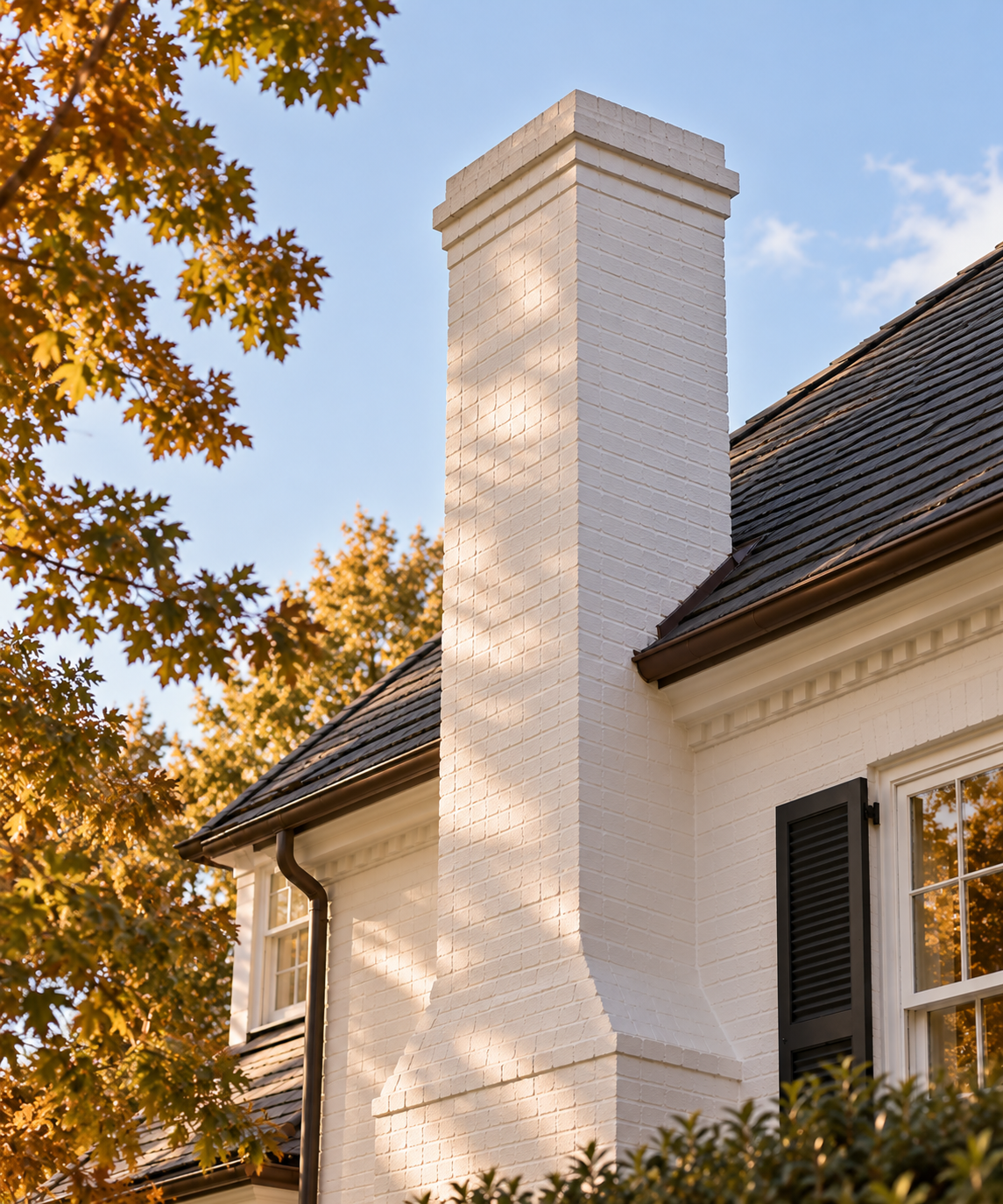
Regardless of whether you use a wood-burning fireplace or a gas one, have the chimney and related components professionally inspected and cleaned when necessary before the first fire of the season.
In particular, for wood-burning fireplaces:
Check the damper
Inspect fireplace doors/screens
Remove old ash
Examine the hearth and firebox for visible deterioration
Stock properly seasoned firewood (stored away from the house, rather than directly against it)
Expert note: For gas fireplaces, this is a good time to relight your pilot light and change the batteries in your remote.
03 / inspect the roof
No need to climb onto the roof — this is better handled from the ground or by a professional. Schedule a professional inspection (usually free) before snow and ice arrive. Fall is a particularly useful time to catch roof and drainage problems while repairs are still possible.
Look for:
Missing, cracked, curling or damaged shingles
Flashing that appears loose or damaged
Moss or excessive debris
Sagging areas
Damage around vents, skylights and chimneys
Water staining or other evidence of leaks in the attic
04 / Clean Gutters & Check Drainage
This deserves more attention than simply “clean the gutters.” Clear leaves and debris from gutters (for heavily treed properties, this may be required more than once), then make sure:
Gutters are firmly attached
Seams aren't leaking
Downspouts aren't clogged
Water is being carried away from the foundation
Soil hasn't settled in a way that directs water toward the house
Window wells and exterior drains are clear

05 / Inspect Windows & Doors
Repairing small air leaks can improve comfort and reduce the workload on the heating system; caulk and weatherstripping are among the simplest places to begin. Walk from room to room on a cool or windy day and look for drafts.
Check:
Weatherstripping
Door sweeps
Exterior caulk
Window seals
Loose hardware
Gaps around penetrations for pipes, wires and utilities
Expert note: This is also a good time to wash screens before storing them for the winter, if that's part of your seasonal housekeeping routine.
06 / Winterize Outdoor Plumbing
Frozen plumbing is one of the preventable problems fall maintenance is intended to address. Before the first hard freeze:
Disconnect, drain and store garden hoses
Shut off and drain exterior water lines where your home's plumbing requires it
Protect vulnerable outdoor faucets (most modern ones are designed to prevent freezing)
Winterize irrigation/sprinkler systems as appropriate
Drain fountains or other seasonal water features
Identify pipes running through unheated garages, crawlspaces or other vulnerable locations
Expert note: Make sure everyone who might need it knows where the home's main water shutoff is—and how to use it.
07 / exterior lighting & Walkways
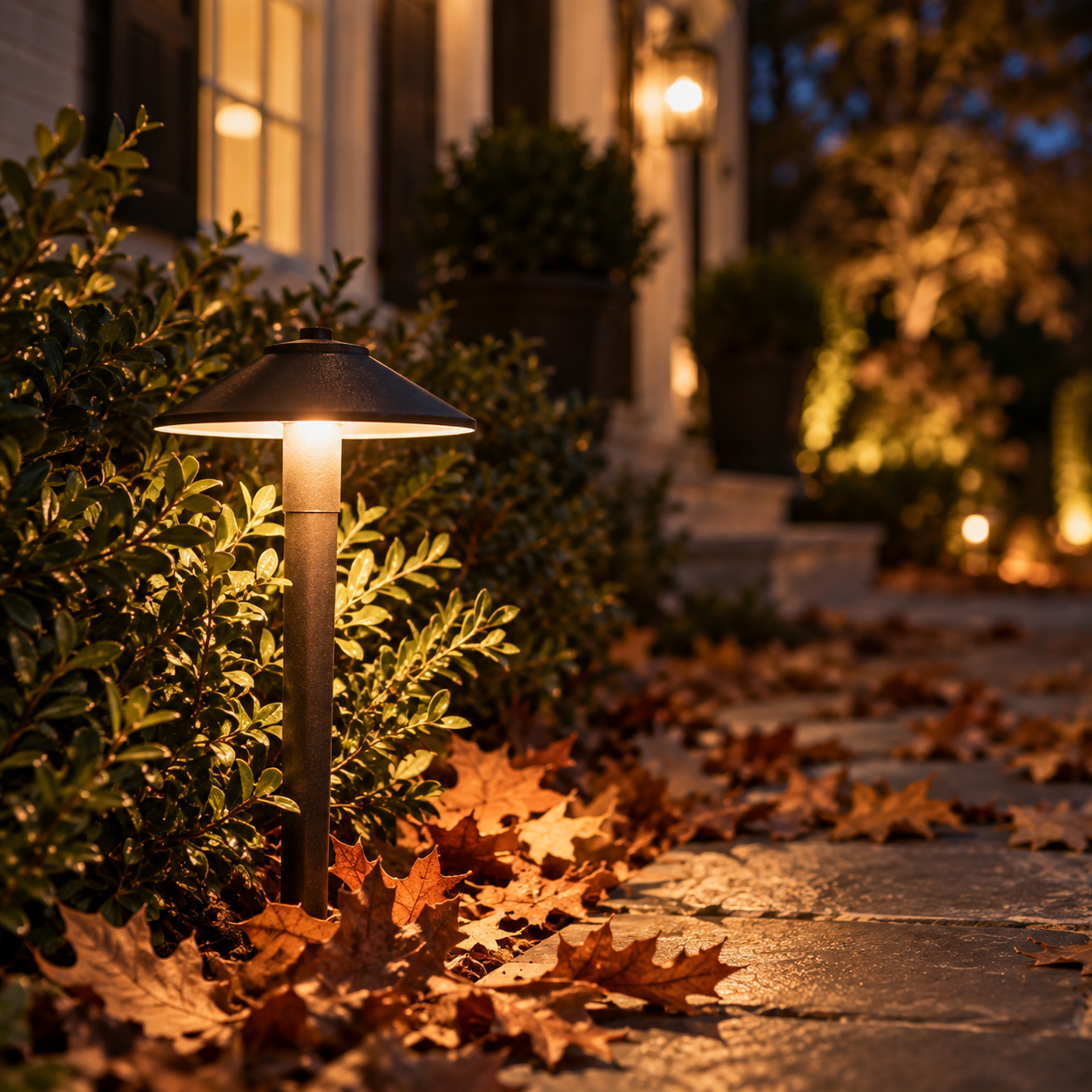
With shorter days coming, inspect the areas you'll be walking through in darkness.
Replace burned-out bulbs
Clean exterior light fixtures
Make sure house numbers are visible
Check timers and motion sensors
Tighten loose railings
Repair uneven steps or pavers
Fill significant cracks
08 / Clean & Store Outdoor Furniture
Don't put dirty things into storage. Spring is considerably nicer when cushions, furniture and garden tools were cleaned before being put away. Before covering or storing outdoor furniture:
Wash and completely dry furniture
Clean cushions
Empty umbrellas
Deep clean and cover the grill
Clean garden tools
Empty containers that could collect and freeze water

09 / SErvice the heating system
Don't wait for the first truly cold evening to discover a problem. In early fall:
Turn the heat on and make sure it operates properly
Schedule routine professional service as appropriate for your system
Replace or clean HVAC filters according to the manufacturer's guidance (we do this monthly)
Vacuum accessible registers and returns
Make sure furniture and rugs aren't blocking vents
Check thermostats and replace batteries if applicable
Have boilers, radiators or heat pumps serviced according to their particular requirements
09 / Test Smoke & Carbon Monoxide
Heating season is a natural reminder to check every alarm in the house. Testing alarms is particularly important as fireplaces and fuel-burning heating equipment return to regular use.
Test smoke and carbon monoxide alarms
Replace batteries, check the manufacture/replacement dates
Make sure alarms haven't been painted over, covered or obstructed
Check household fire extinguishers at the same time
“Fall is the season for preventative maintenance — a little attention now will prevent larger projects later and allow you to spend the colder months enjoying your home rather than troubleshooting it.”
10 / Check The Indoor plumbing
Do a simple visual plumbing inspection:
Look under sinks and around toilets for leaks
Inspect washing-machine and dishwasher connections
Look around the water heater for corrosion or moisture
Check accessible pipes for condensation, corrosion or leaks
Follow the manufacturer's recommended maintenance for your water heater, which may include draining annual
Test and check the sump pump backup system
11 / Check The Attic & Basement
These spaces often reveal problems before the finished rooms do. Pay particular attention to the following after a heavy autumn rain.
Look for:
Water staining
Dampness
Musty odors
Pest activity
Visible gaps around penetrations
Damaged insulation
Signs of condensation
Expert note: upgrading your attic insulation to meet current building code will help your home heat and cool more efficiently. Start with a third-party energy audit.
12 / Clean Humidifiers & Filters
If your home has a whole-house humidifier, fall is a good time to clean it and prepare it for heating season. Freddie Mac's homeowner maintenance guidance also includes cleaning humidifiers among fall/winter tasks.
Also check filters in air purifiers, range hoods and other equipment that tends to be forgotten.
Bonus / Prepare for Winter Emergencies
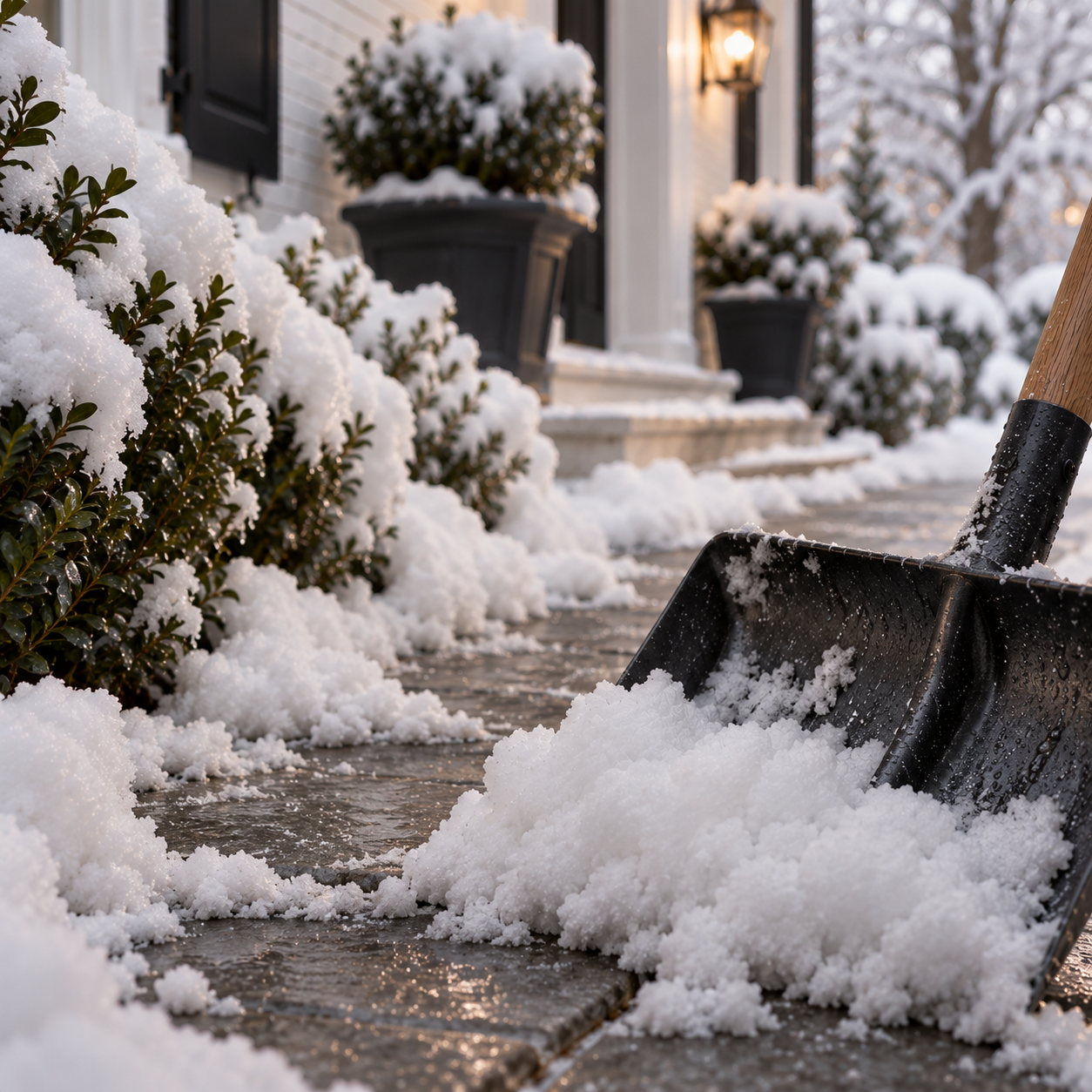
Prepare snow shovels, ice melt or other winter equipment before you actually need them. You may also want to check you have the following ready-to-go:
Flashlights and batteries
Basic first-aid supplies
Backup phone chargers
Ice melt appropriate for your surfaces
Generator (and schedule maintenance, if you own one)
Emergency water/supplies appropriate for your region
Location of water, gas and electrical shutoffs
Current contact information for your plumber, HVAC company and electrician
Parting note: this is a great time to update your home-maintenance records. Jot down the date of HVAC service, chimney inspection, roof repairs, etc. Regular records make future maintenance much easier.
You May Also likE