

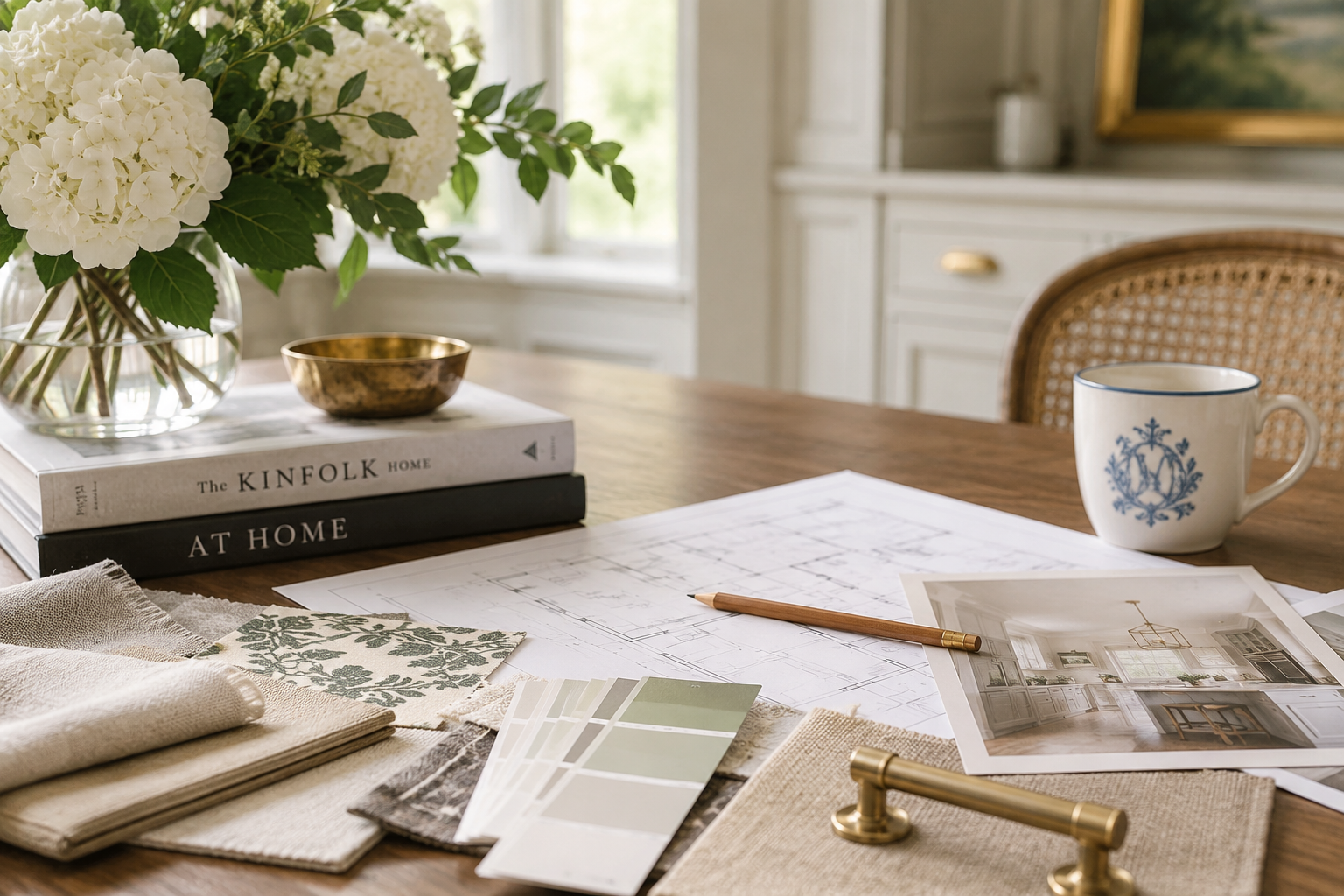
Starting a Home Project
Title: How to Start an Interior Design Project: A Guide to Timeless, Thoughtful Design
Starting an interior design project can feel exciting, inspiring—and sometimes a little overwhelming. Whether you're redesigning a single room or building your dream home from the ground up, approaching the process with intention makes all the difference. As a designer who values timeless elegance and the principles of slow design, I believe every space should evolve thoughtfully, with purpose and quality at its core.
If you're ready to begin your design journey, here’s how to start on the right foot:
1. Define Your Why
Before sourcing swatches or sketching floor plans, step back and ask: Why am I undertaking this project? Is it to create a more functional kitchen for your growing family? To design a sanctuary that feels calm and grounded? Clarity here shapes every decision moving forward—and ensures the final design truly reflects your lifestyle.
Tip: Write down three words that describe how you want the space to feel (e.g., welcoming, polished, serene). These will become your guiding compass.
2. Assess What You Have
A timeless design often honors the past. Take stock of what’s already in your home: heirlooms, vintage pieces, or quality furnishings that could be reimagined. Thoughtful editing—rather than starting from scratch—leads to spaces layered with meaning and history.
Slow Design Principle: Resist the urge to discard. Quality takes time and is worth preserving.
3. Establish a Realistic Budget and Timeline
Timeless design isn’t about chasing trends—it’s about choosing pieces that will last. That means prioritizing craftsmanship, materials, and finishes that elevate your home over time. Set a budget that allows room for investment in quality where it matters most.
Note: Slow design often means longer lead times, especially for custom or made-to-order pieces. Plan accordingly to avoid rushed decisions.
4. Create a Cohesive Vision
Mood boards are more than just pretty pictures—they’re a visual translation of your intentions. Pull inspiration from architecture, travel, art, or even fashion. Look for recurring colors, shapes, and textures that speak to your sensibility.
Classic Tip: Timeless interiors often draw from natural materials (stone, wood, linen), a neutral palette, and a balance of symmetry and proportion.
5. Function First, Then Beauty
A beautiful room that doesn’t work won’t stand the test of time. Start with how the space needs to function. Think about flow, natural light, storage, and how you truly live in the space. Once the foundation is right, layer in the aesthetics—beautiful textiles, classic millwork, antique finds.
Design wisdom: Good bones come first. Decorating is the final chapter, not the first.
6. Work with the Right Professionals
Whether you're hiring a designer, contractor, or tradesperson, choose collaborators who understand your vision and share your values around quality. Good communication and trust are essential—especially in a project that unfolds over time.
Pro Insight: I encourage clients to build a team early on, even before construction begins. Early decisions can avoid costly changes later.
7. Be Patient—and Present
Slow design means slowing down. Thoughtful decisions take time. Some of the best interiors are collected and completed over months or even years, not weekends. Don’t rush to “finish” a room. Let it grow with you.
Reminder: Timeless doesn’t mean static. It means enduring—something that continues to feel right, year after year.
Final Thoughts
Interior design isn’t just about creating a beautiful home—it’s about crafting a space that tells your story with grace, intention, and longevity. Starting with clarity, care, and craftsmanship sets the stage for a space you’ll love not just today, but for years to come.
If you're considering a project and want to design with purpose, I’d be honored to help bring your vision to life—slowly, beautifully, and with timeless detail.
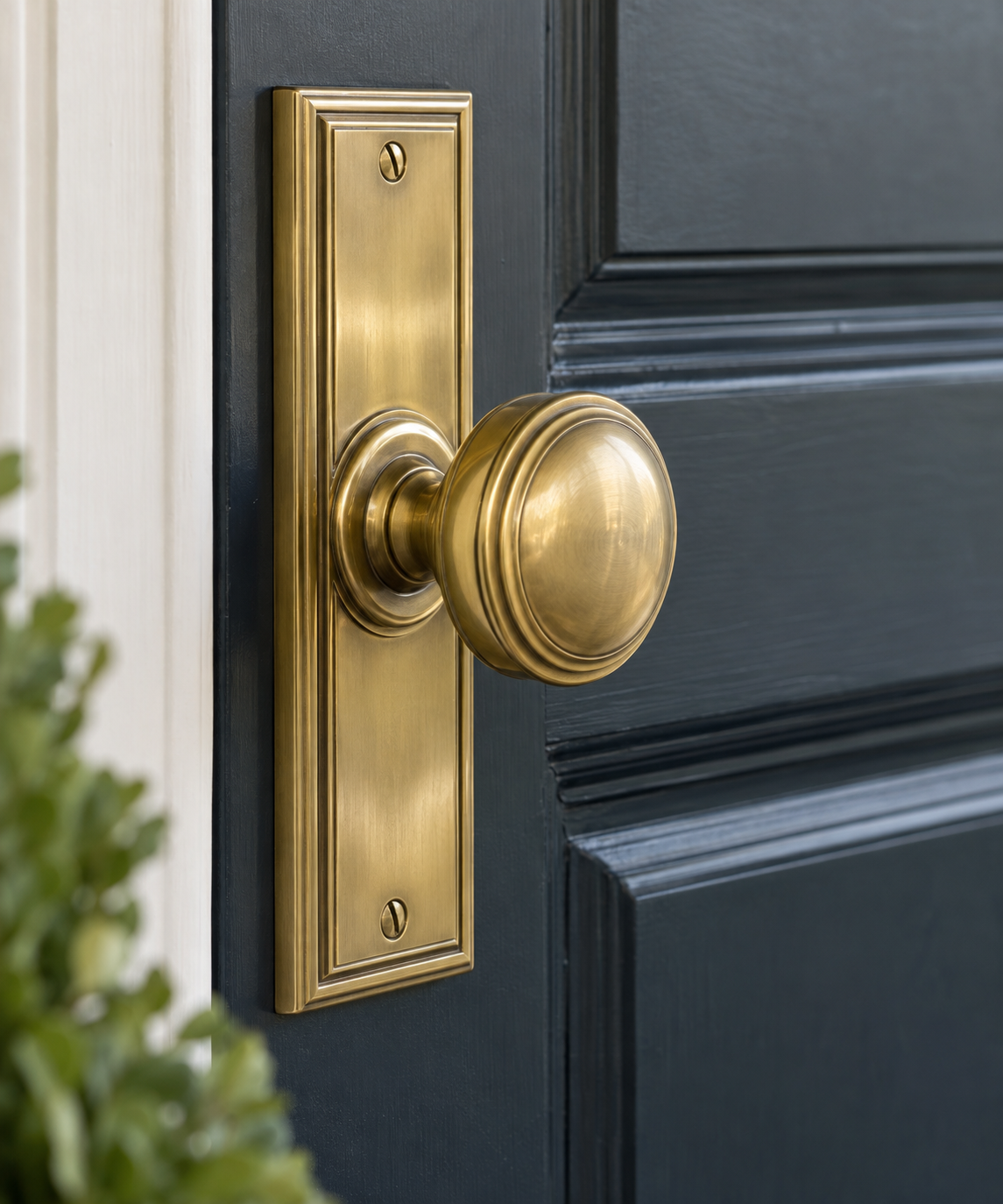
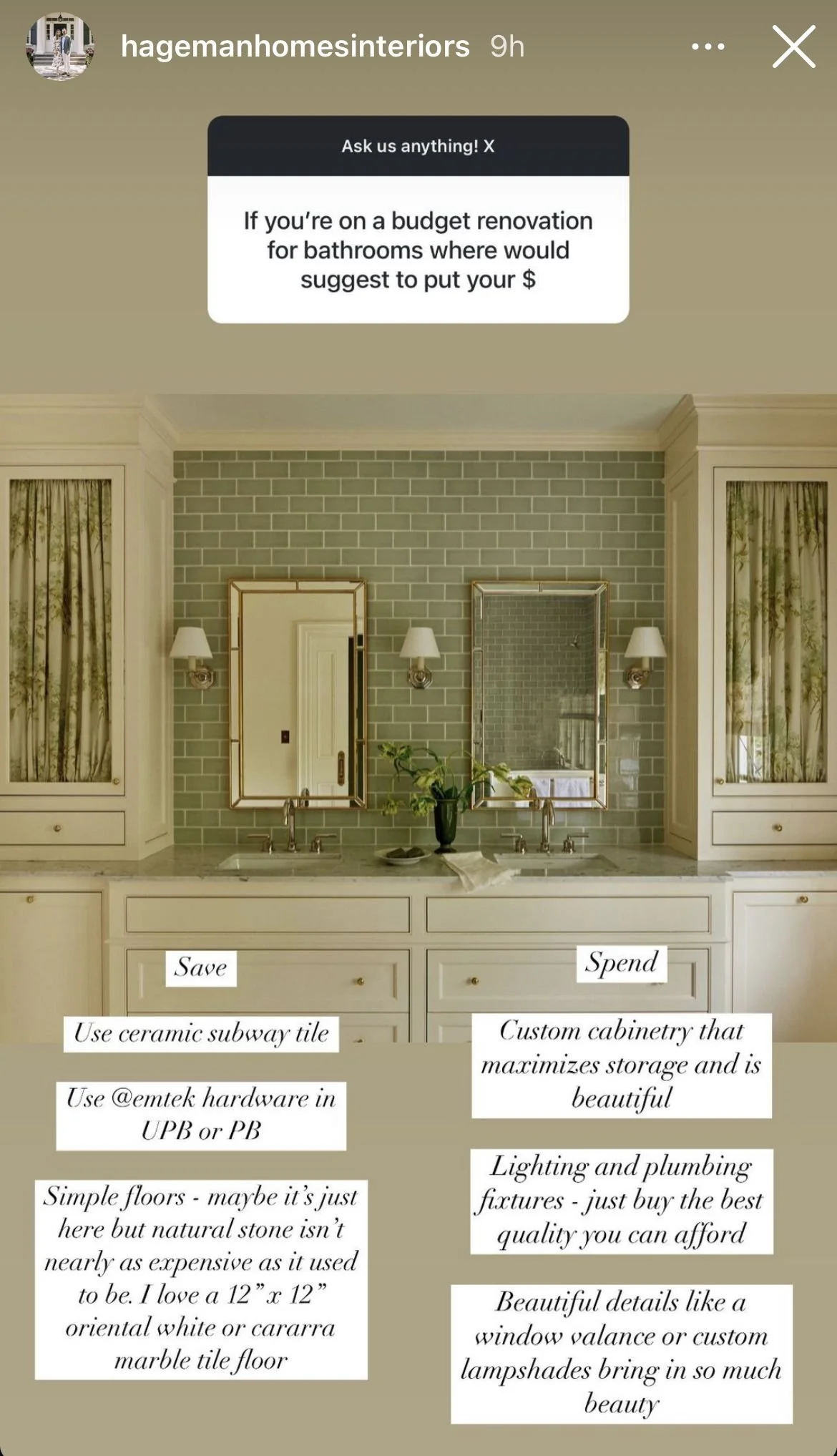
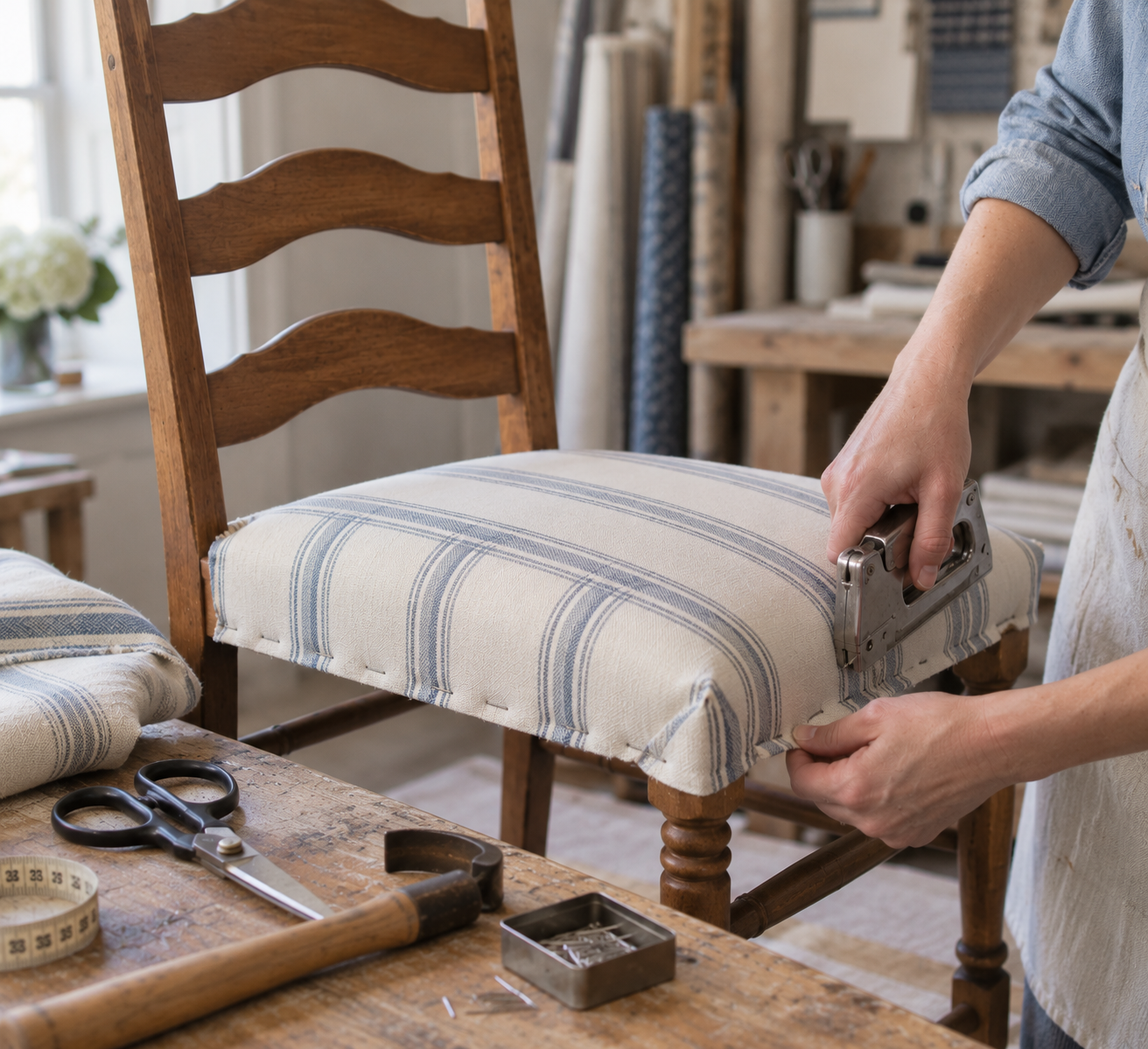
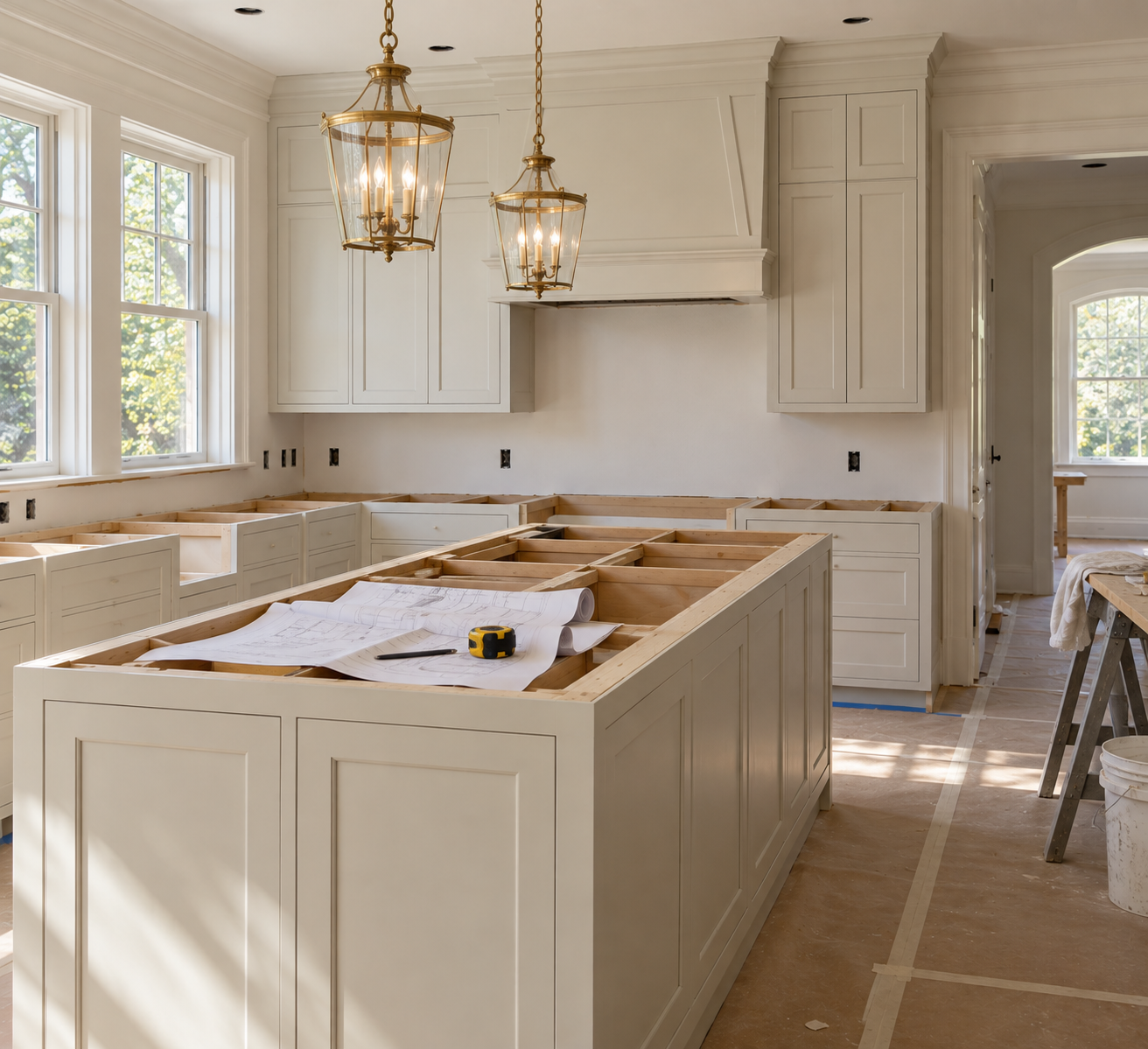
Renovating: Kitchen
https://www.housebeautiful.com/home-remodeling/renovation/a64125936/kitchen-renovation-checklist/

Preparing To Sell
You should be prepping your house to sell—once a year. 🏡✨
Not because you are selling… but because your home deserves to feel that good for you.
We tend to save the clean, peaceful, simplified version of our home for when we’re leaving it. But what if we stopped waiting? What if we made that our baseline?
Every year, I go through my home like a potential buyer is coming—and I’m not doing it for anyone else. I’m doing it for me. For my family. For the version of home that feels clear, calm, and easy to live in.
Here’s how to do it 👇
Once a year, walk through your home and:
1. Declutter every drawer, surface, and closet like you’re about to have an open house
2. Fix the little things you’ve been ignoring (door handles, scuffed baseboards, wobbly shelves)
3. Deep clean the spots you normally skip (vents, light switches, trim, windowsills)
4. Touch up paint or refresh your walls
5. Re-style or simplify spaces to feel lighter and more livable
6. Walk your home like a buyer—does anything feel chaotic, crowded, or forgotten?
The result?
✅ Less to clean
✅ Less visual noise
✅ A space that works for you
✅ And a home you love being in—not one you dream of escaping
You don’t need to move to create a home that feels like a fresh start.
Just treat it like it matters. Every year. 💛
✨ Save this post if you’re craving that “move-in ready” feeling again.
✨ Follow for more simple routines that help you love your home again.
Painting
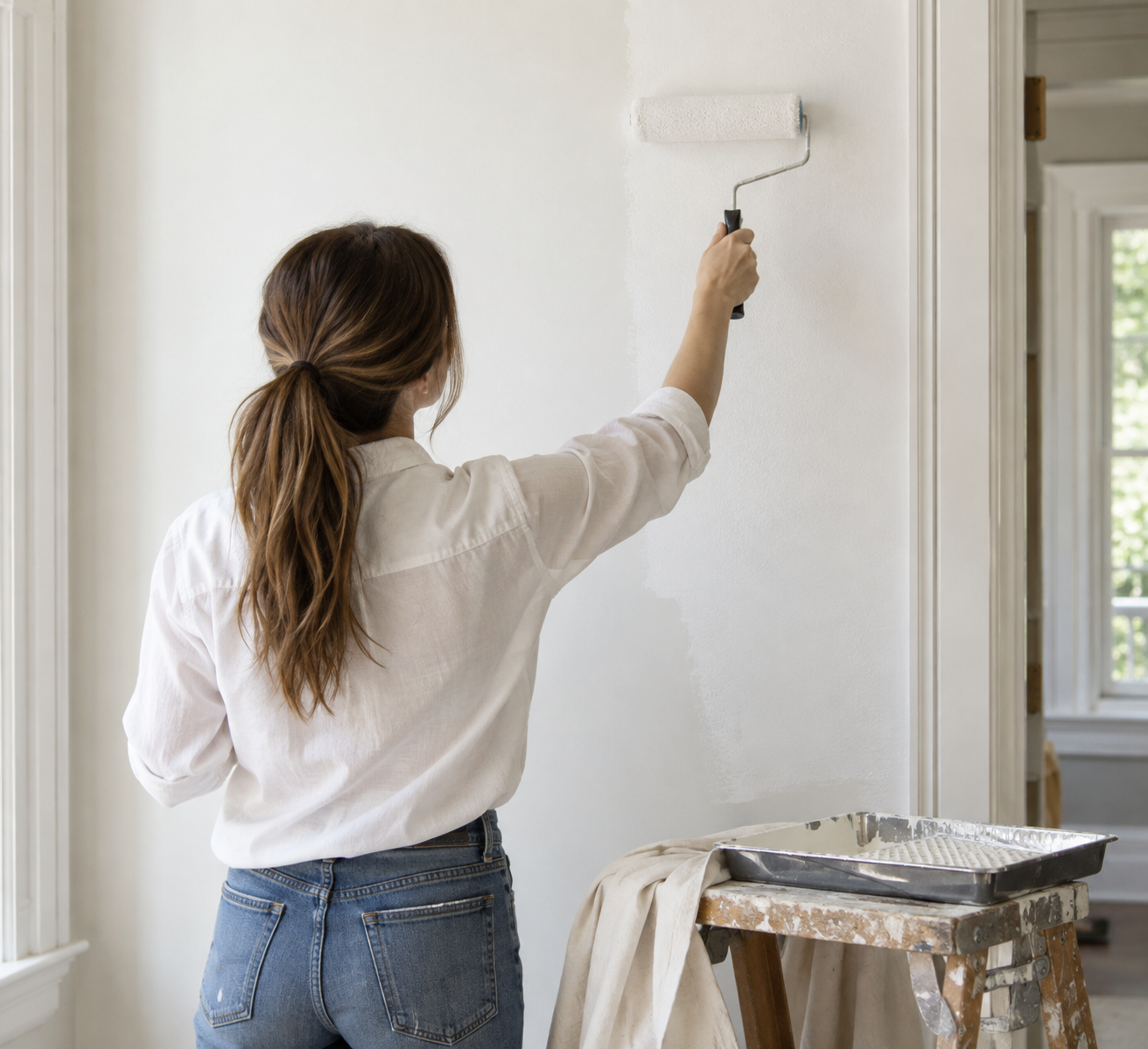
There’s more to paint than color. Here’s all you need to know about sheen, product types and brand.
If you've managed to successfully select paint colors, now you're on to the technical part: brand, product line or type, and sheen. Your painter may make recommendations on all the above, but be cautious as he or she may favor the path of least resistance. If you want it done well and done right, then here's all you need to know.
WHICH BRAND TO USE
We prefer Benjamin Moore colors, but our painters seem to favor Sherwin Williams paints. Good news: most paint colors are custom mixed by computer (much like ink in a printer), which means any paint shop can easily custom-match another brand's color to the paint brand they carry. Just be sure you have the brand and color number. There are many options (and, of course, more expensive ones with boutique labeling), the quality of Sherwin Williams' paints has proven itself time and again. Note: many designers, painters and paint companies will tell you that using one brand's color and another's paint will not yield in a perfect color match. We have not found this to be an issue.
WHICH PRODUCT TYPE TO USE
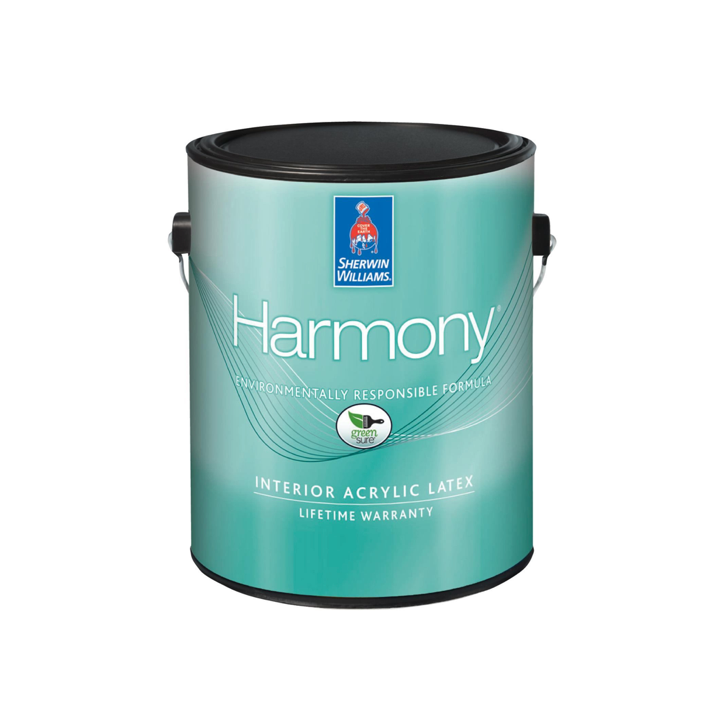
Above coverage, ease of use, and perceived quality, it's important to select a paint line that rated low (or, better yet, zero) for volatile organic compounds, or VOCs. According to Consumer Reports, "VOCs are solvents that get released into the air as the paint dries. VOCs can cause acute symptoms, including headaches and dizziness. The long-term effects are less certain, but according to the U.S. Environmental Protection Agency, some VOCs are suspected carcinogens." All the major paint lines now have low VOC options that are, surprisingly, not much more expensive than their more toxic counterparts.
Mary recently used Sherwin Williams' Harmony line in her home, which is "zero VOC" formula and loves it. "No icky fumes while painting and it has held up beautifully."
WHICH SHEEN TO USE
Flat, matte and eggshell sheens are best suited for low-traffic areas or walls with imperfections. These are tougher to clean than their glossier counterparts and are therefore used on ceilings and in dining rooms, bedrooms and home offices (if at all).
Satin sheen is our go-to for walls throughout the home. It is very can be easily wiped clean, softly reflects light and is forgiving in revealing wall flaws.
Semi-gloss is preferred for trim work and doors. It is easy to clean and reflects light for a smooth, polished finish.
Gloss provides a high-shine finish that is perfect for furniture, cabinetry or other surfaces that will be frequently wiped.
HOW TO APPLY
Tape & Caulk
Paint Immediately
Pull off tape immediately
(Keep a wet edge)