Essential Servingware
The Essential Serving Pieces Every Host (and Kitchen) Should Have
Whether you're hosting a casual Sunday brunch or planning a full holiday feast, the right serving pieces make all the difference. A well-stocked kitchen doesn't have to mean dozens of dishes or trendy gadgets you'll never use—just a few timeless, functional pieces can elevate your hosting game and make serving guests feel effortless.
If you're building your collection from scratch, moving into a new home, or just looking to upgrade your go-to items, this guide will walk you through the essential serving pieces every hostess (and home cook) should own.
🥂 Why Serving Pieces Matter
When you serve with intention—whether it’s a cheese board on a wooden tray or a simple salad in a beautiful bowl—it transforms a meal into an experience. The right pieces:
Make entertaining easier
Enhance presentation
Create a cohesive, polished table
Let’s take a look at what every kitchen and hostess should have on hand.
1. Must-Have Serving Platters
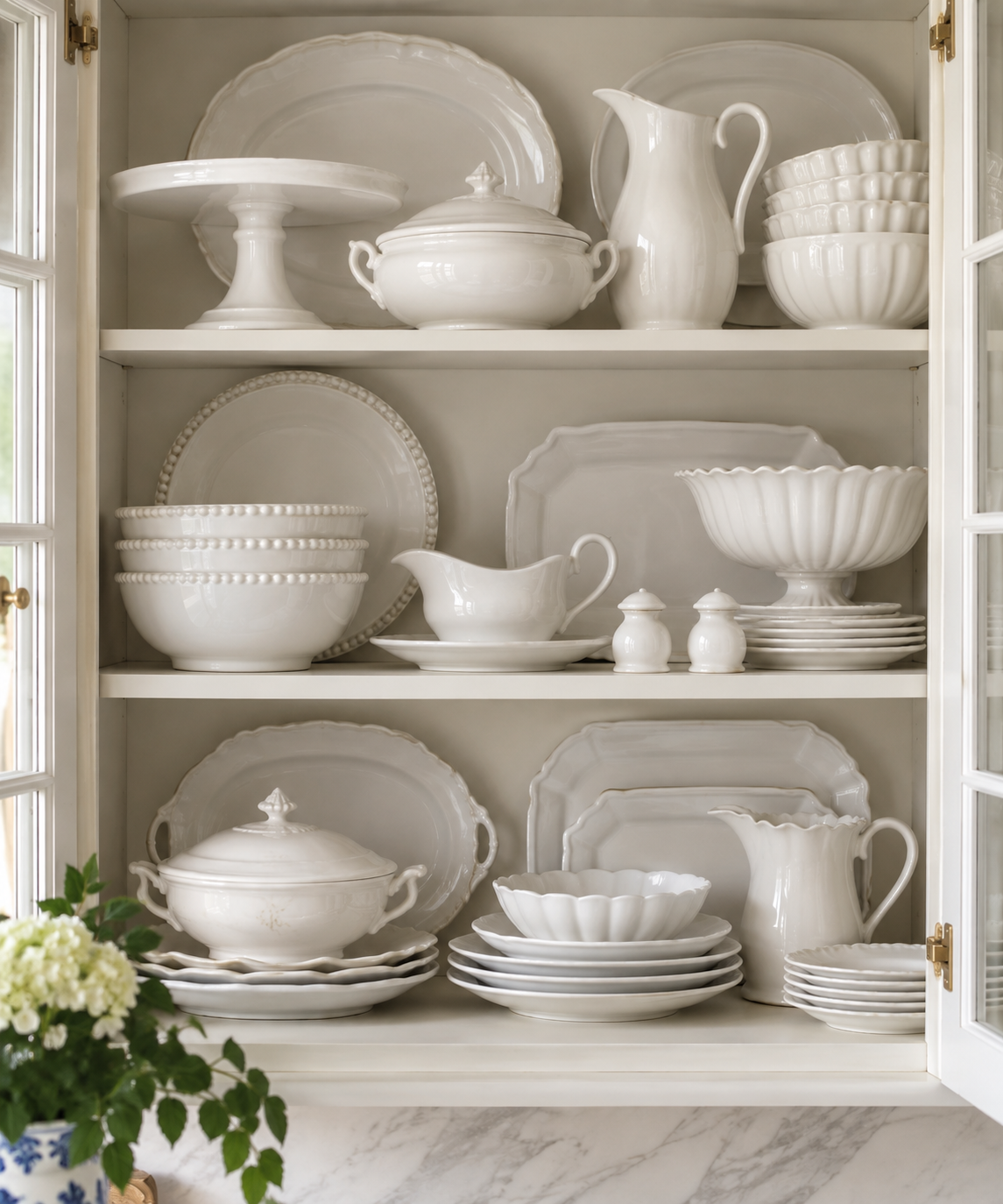
A good platter is the workhorse of your entertaining toolkit. Whether you're serving appetizers, a holiday roast, or cookies for Santa, you'll want a few different shapes and sizes.
✔️ Essentials:
Large Oval or Rectangular Platter: Perfect for meats, roasted vegetables, or party sandwiches.
Round Serving Platter: Great for pizzas, cakes, or arranging fruit.
Tiered Serving Stand: Ideal for desserts, finger foods, or high-tea style brunches.
💡 Host Tip: White, ceramic platters are the most versatile—you can dress them up for holidays or keep them casual for everyday meals.
2. Bowls for Every Occasion
You don’t need dozens of bowls—just a few well-chosen ones that can work double duty.
✔️ Essentials:
Large Serving Bowl: Ideal for salads, pasta, popcorn, or large side dishes.
Medium Bowls (2–3): For roasted vegetables, grains, or chips.
Small Dip Bowls / Ramekins: Perfect for sauces, dips, nuts, or toppings.
💡 Storage Hack: Choose nesting bowls to save cabinet space and make clean-up easier.
3. The Essential Glassware Collection
Glassware is one of the most visible and used pieces on any table. It doesn’t need to be fancy—but it should be intentional.
✔️ Essentials:
Wine Glasses: Have a few of each—red and white—or go with stemless for casual versatility.
Champagne Flutes (or Coupes): Great for holiday toasts, birthdays, and brunch.
Everyday Tumblers / Water Glasses: Double as juice or cocktail glasses.
🧊 Bonus: Add a beautiful pitcher or carafe for water, iced tea, or sangria—it feels more elevated than plastic bottles on the table.
4. Trays & Boards for Effortless Style
Boards and trays are the behind-the-scenes heroes of stylish entertaining. They’re not just for food—they help keep things organized and visually appealing.
✔️ Essentials:
Wooden Cheese or Charcuterie Board: A classic for snacks, appetizers, or breakfast spreads.
Serving Tray with Handles: Use it to carry drinks, stack mugs for a cocoa bar, or serve breakfast in bed.
Marble or Slate Board: Great for desserts, cheese, or cold appetizers.
💡 Style Tip: Look for trays with natural textures (wood, rattan, marble) for a look that’s both timeless and modern.
5. Serving Utensils & Tabletop Tools
Don’t let all your beautiful platters sit idle because you forgot the tools to serve the food. A few key utensils go a long way.
✔️ Essentials:
Serving Spoons & Tongs: Two sets minimum—one slotted, one solid.
Cake or Pie Server: You’ll be glad you have it every time dessert is involved.
Gravy Boat or Small Pitcher: Not just for gravy—also works for dressings, syrup, or creamer.
Salt & Pepper Grinders or Cellars: Small but meaningful upgrade to the table.
Butter Dish: A simple classic that’s surprisingly underrated.
6. Optional (But Lovely!) Extras
These aren’t must-haves, but they’ll take your hosting to the next level—especially during holidays or special occasions.
✨ Nice-to-Have Extras:
Soup Tureen or Chili Pot: Adds instant charm to cozy winter meals or holiday dinners.
Ice Bucket & Tongs: Keeps drinks cold and guests self-sufficient.
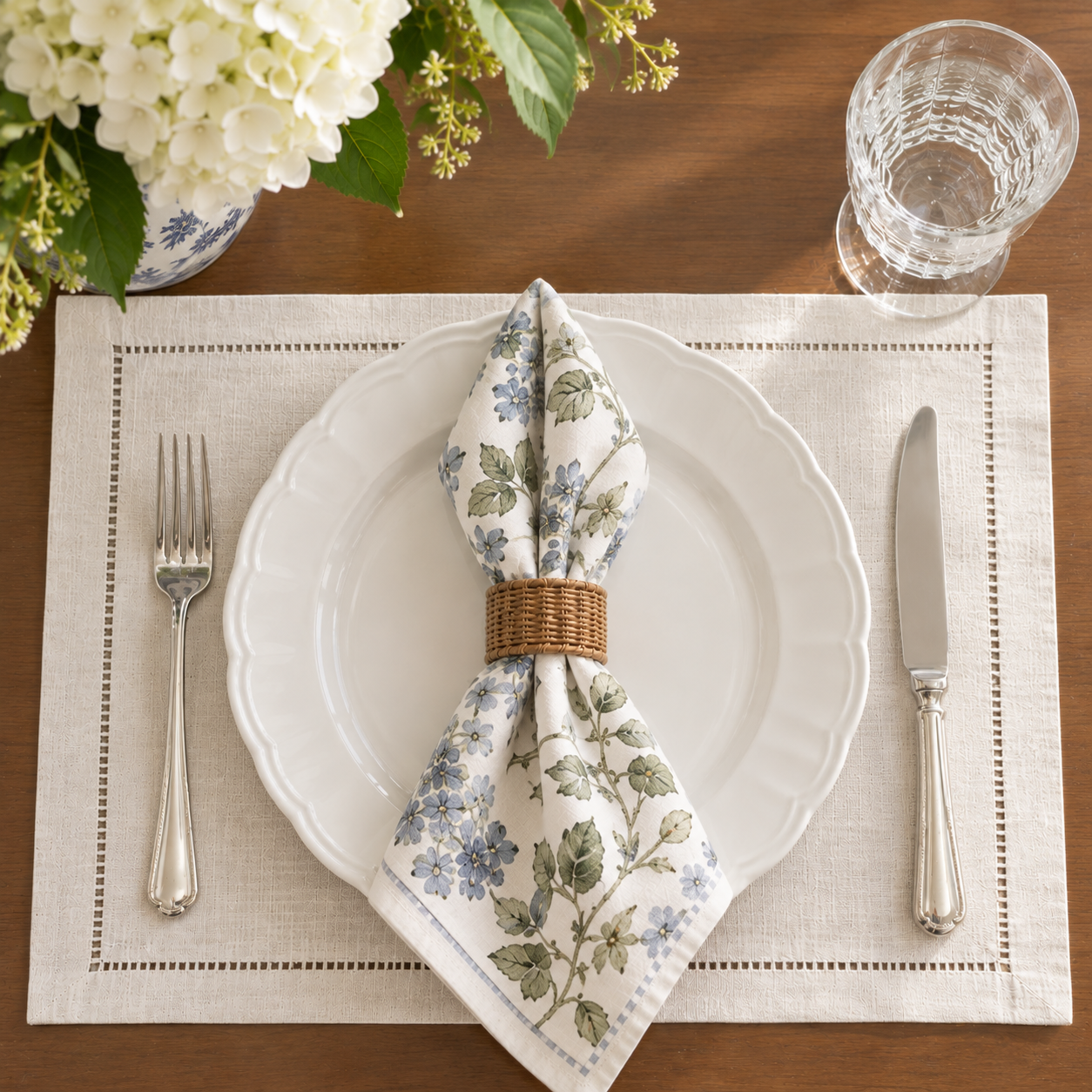
Napkin Rings & Linen Napkins: A quick way to dress up a table for dinner parties or celebrations.
Cake Stand with Dome: Show off your baked goods and keep them fresh.
🛒 Final Thoughts: Build Slowly & Intentionally
You don’t need to buy everything at once. In fact, the best collections are built over time—piece by piece, as your style and hosting needs evolve.
Start with versatile, neutral-colored basics that can work for casual dinners and holiday gatherings alike. Then add in those special, personality-filled items (like that vintage tray you found at a flea market or your grandmother’s pie server).
Hosting isn’t about perfection—it’s about creating a warm, welcoming space where people feel at home.

Hosting Checklist
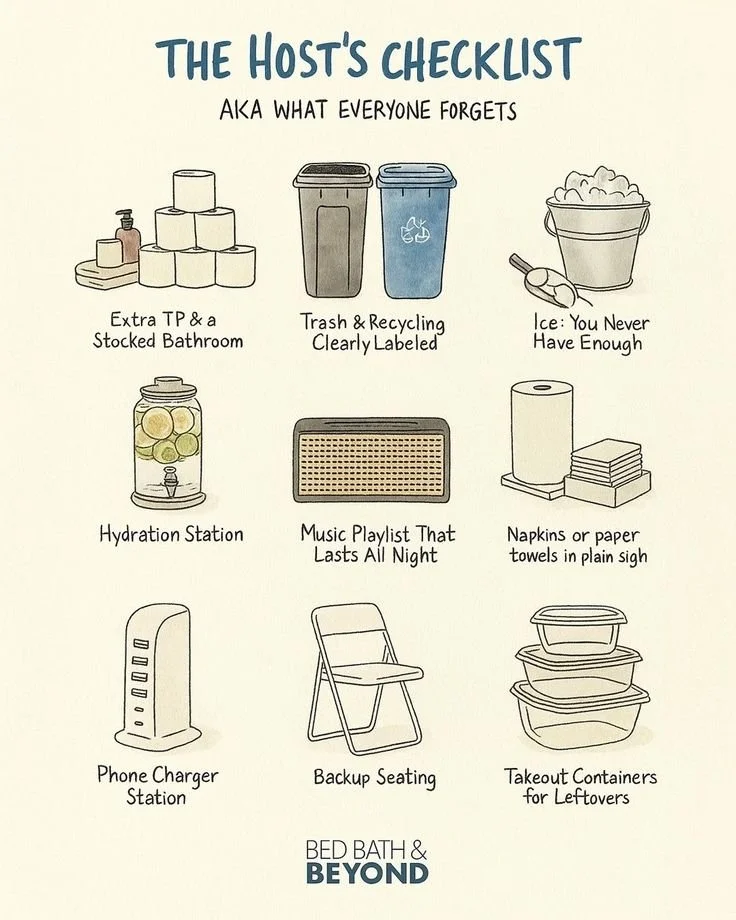
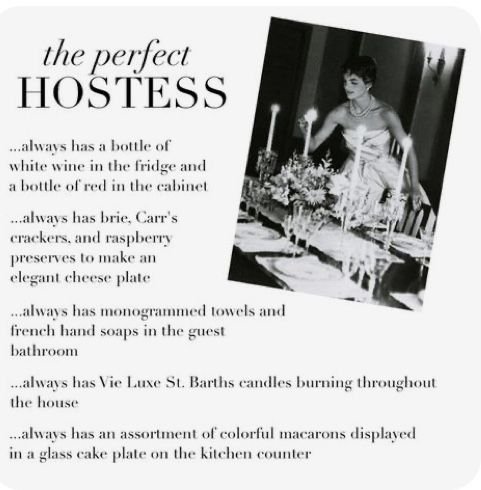
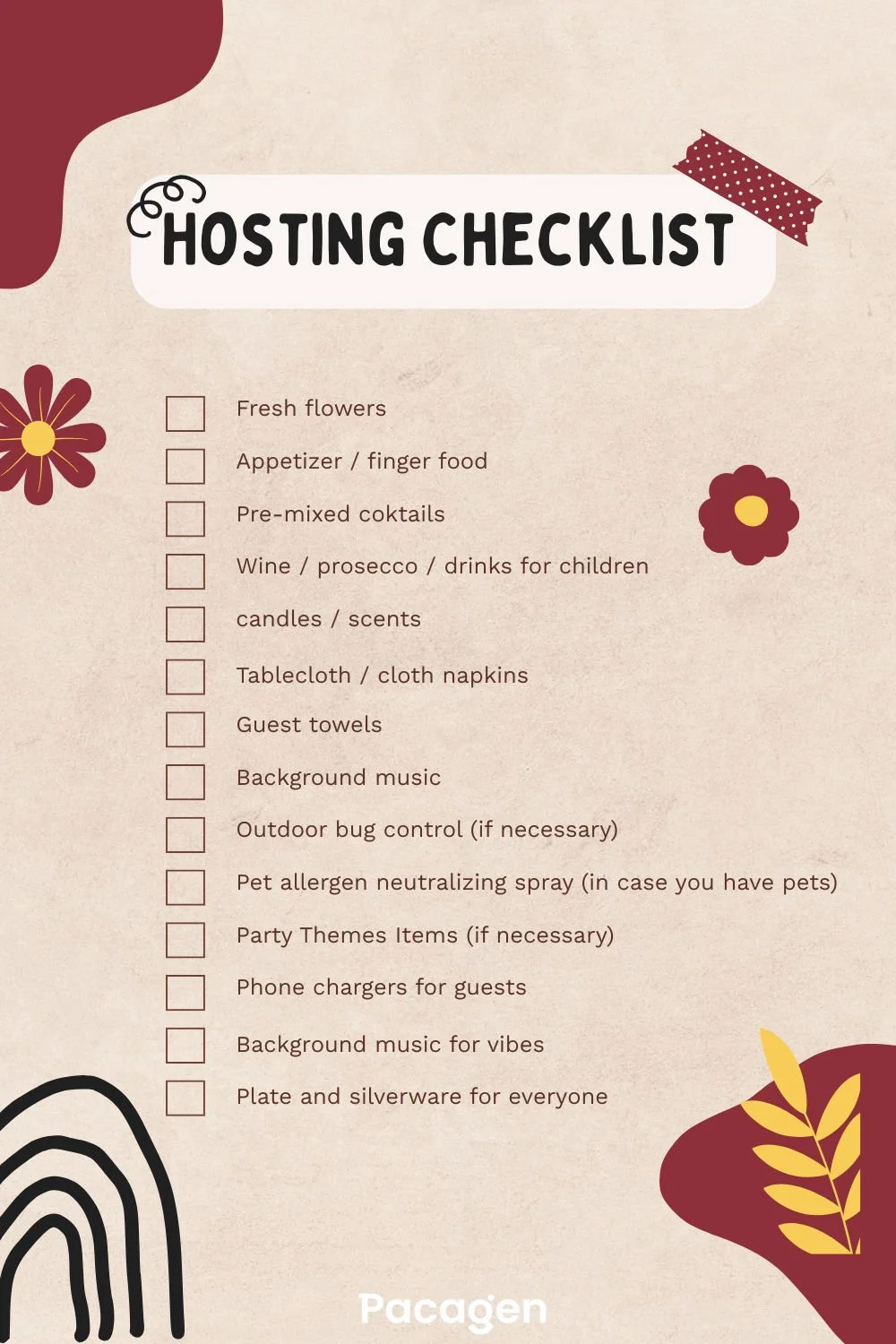

There is something undeniably special about gathering friends and loved ones around the table. In a world that often moves too quickly, a dinner party offers a chance to slow down, savor good food, and enjoy meaningful conversation. With a thoughtful approach, you can create an evening that feels warm, welcoming, and effortlessly elegant.
A dinner party is one of life’s simplest luxuries: gathering friends and loved ones around a table to share good food and good company. With a little planning and a few thoughtful details, you can host with confidence and grace.
Set the Tone with Your Invitation
A dinner party begins well before the first guest arrives. Whether you send a handwritten note or a gracious email, make your invitation clear and personal. Share the occasion, the time, and any thoughtful details (such as dress code or menu notes) so that your guests know what to expect. The invitation sets the tone for the evening—warm, timeless, and intentional.
Step 1: Extend a Thoughtful Invitation
Decide on your guest list (aim for a group that will converse easily together).
Send an invitation—whether handwritten, by phone, or a gracious email—at least two weeks in advance.
Be clear about the date, time, and attire (if any),
Thoughtful Menu Planning
Choose dishes that are comforting, seasonal, and familiar. A dinner party is not the time for overly complicated recipes; instead, think of flavors that feel classic and welcoming. A beautiful roast chicken, seasonal vegetables, and a simple dessert like berries with cream can be far more memorable than something elaborate. Prepare as much as you can in advance, so that you’re free to enjoy the evening alongside your guests.
Step 2: Plan a Manageable Menu
Choose a main dish that can be prepared ahead or requires minimal last-minute attention (a roast, braised dish, or pasta are timeless options).
Round it out with two or three sides that balance flavor and texture.
Keep dessert simple but memorable—fresh fruit with cream, a classic tart, or a chocolate soufflé.
Don’t forget wine, water, and perhaps a signature cocktail or aperitif.
while keeping the tone warm and welcoming.
Create a Welcoming Table
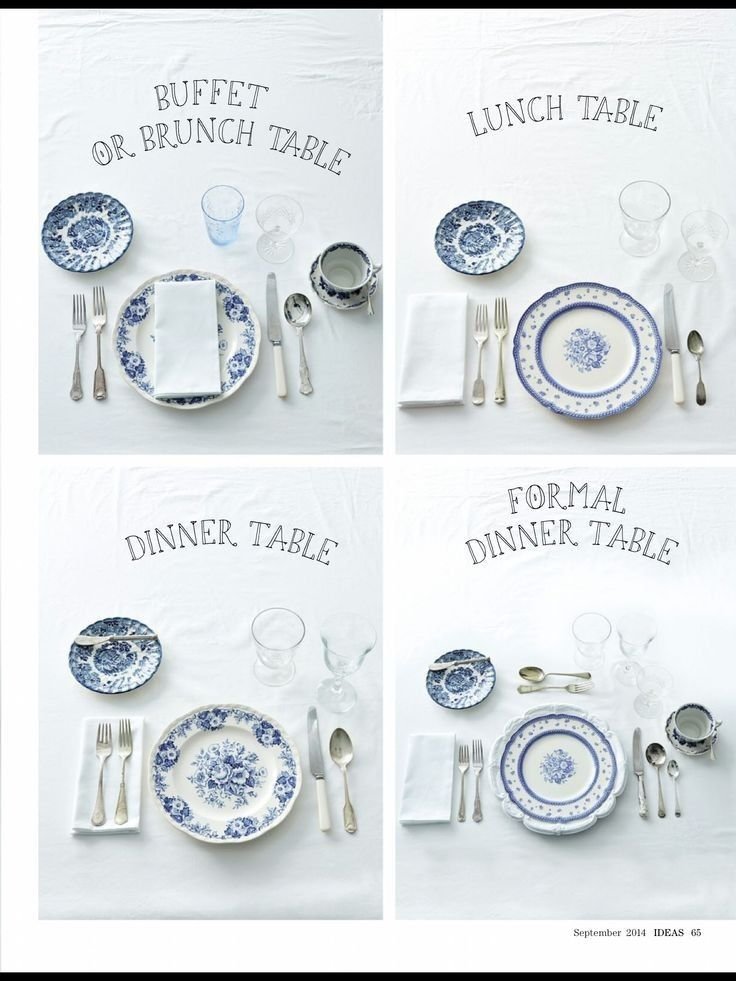
The table is the heart of your dinner party, and it doesn’t have to be fussy to be beautiful. Crisp linens, polished flatware, and simple flowers are all you need. Candles—whether tall tapers or small votives—add a timeless glow that instantly makes the evening feel special. Keep your arrangement low enough to allow easy conversation across the table.
Step 3: Set a Classic Table
Begin with crisp linens or a well-polished wooden table.
Use your best flatware and dishes—dinner parties are the time to enjoy them.
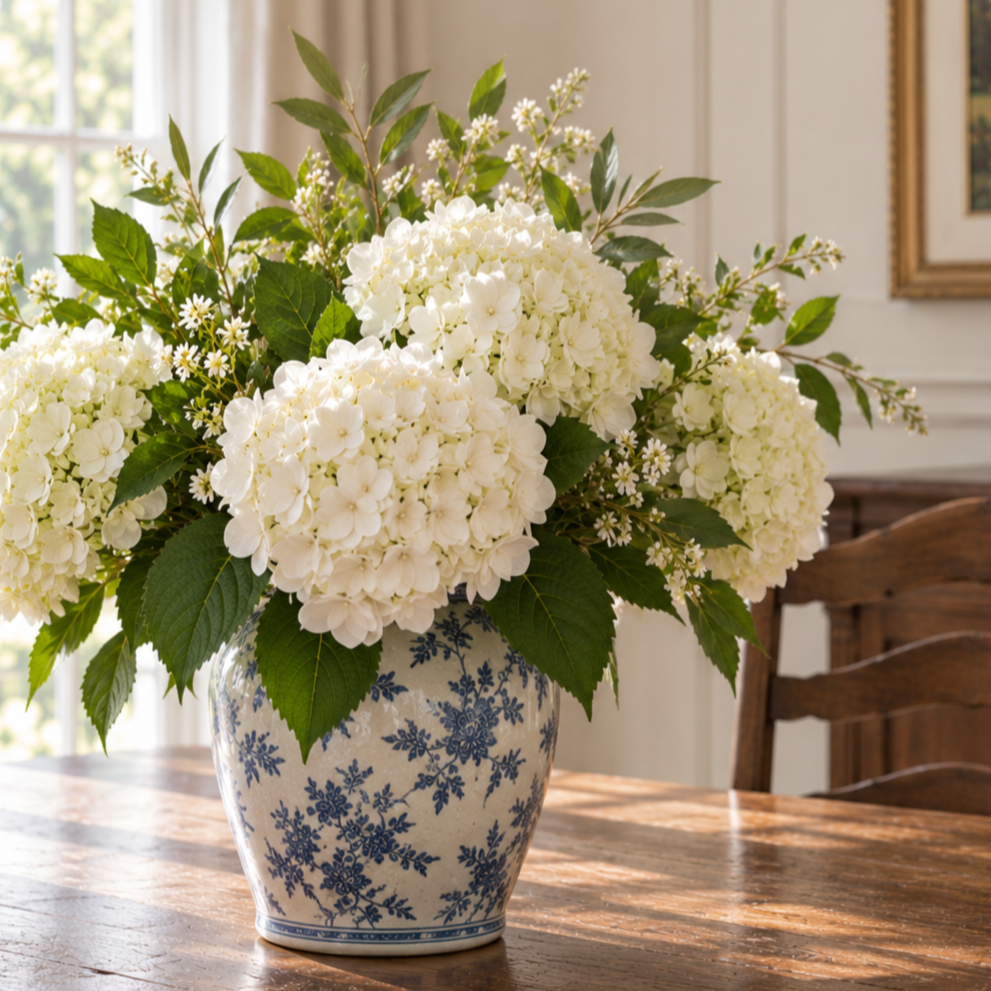
Add fresh flowers or greenery in a low arrangement so conversation flows freely.
Place candles down the table for a warm, timeless glow.
If desired, add place cards for a personal touch.
Step 4: Prepare Before Guests Arrive
Have the table set and candles ready to light an hour before.
Prepare as much of the meal as you can in advance.
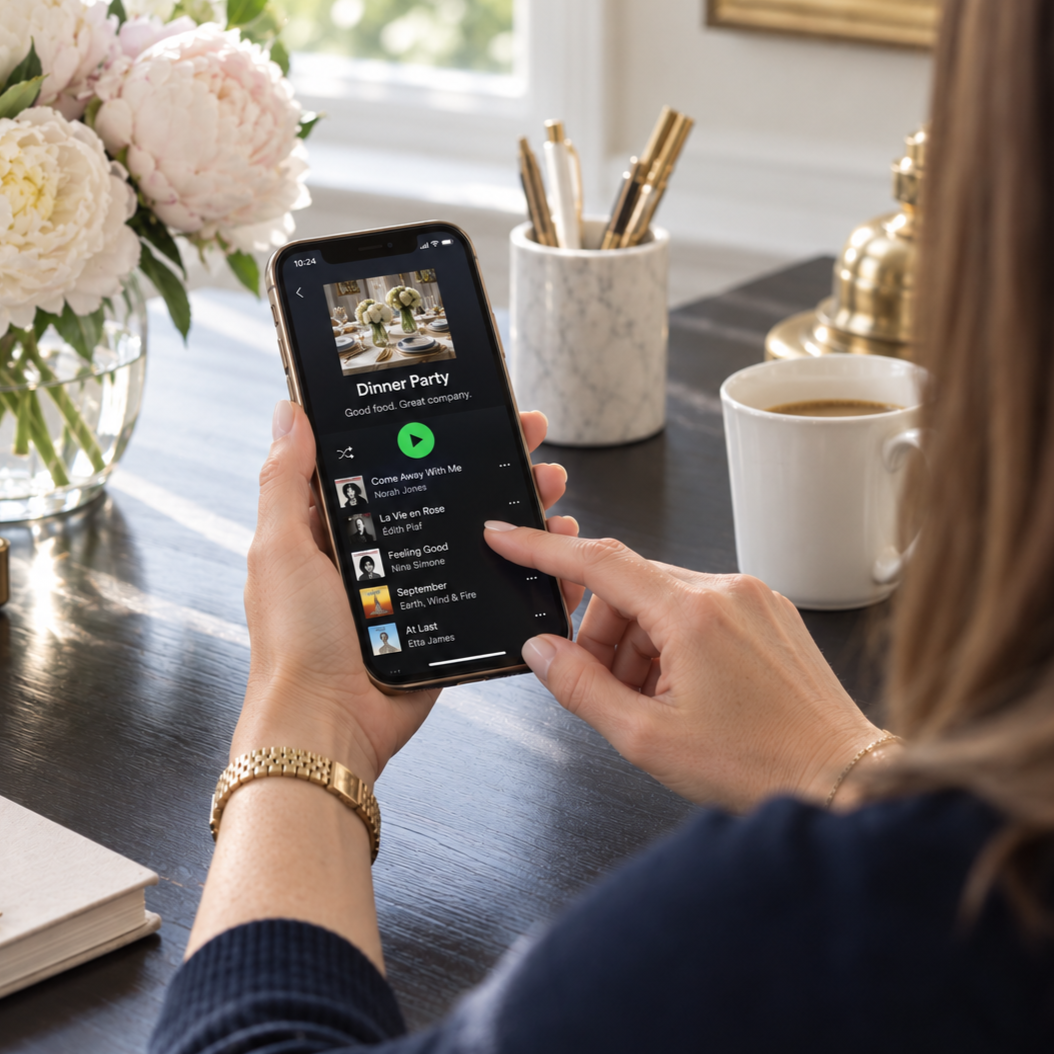
Put on soft background music.
Have a tray set for cocktails or drinks so you can welcome guests right away.
Step 5: Greet with Warmth
Welcome each guest at the door.
Take coats and offer a drink within moments of arrival.
Make introductions if guests don’t know each other.
Step 6: Serve with Ease
Start with a simple appetizer or two—nothing too filling.
Serve dinner at a relaxed pace, ensuring everyone has what they need.
As the host, keep an eye on conversation, drawing everyone in and making space for both lively talk and quieter guests.
Step 7: Linger Over Dessert and Coffee
Clear the table gracefully but without rush.
Bring out dessert with coffee or tea.
Encourage guests to linger—this is often the most memorable part of the evening.
Step 8: End on a Gracious Note
Thank guests sincerely as they leave.
Walk them to the door, and send them off with warmth and care.
The Art of Conversation
As a host, your role is not only to serve a meal but also to create a mood. Introduce guests to one another, draw quieter voices into the conversation, and allow moments of laughter and storytelling to unfold naturally. A gracious host listens as much as they speak, and ensures that everyone feels included.
Small, Thoughtful Touches
The details are what make a dinner party feel timeless. A handwritten place card, a sprig of greenery tucked into a napkin, or a small token at each setting adds a layer of charm. These gestures don’t need to be elaborate—they simply show care and attention.
End on a Warm Note
After the meal, invite guests to linger over coffee or tea. There is a quiet, unhurried beauty to these last moments of the evening. As guests leave, walk them to the door with genuine thanks for their presence.
Hosting a dinner party is not about perfection—it’s about creating an atmosphere where people feel valued and welcome. With a few simple, classic touches, you can offer your guests not just a meal, but an experience to remember.

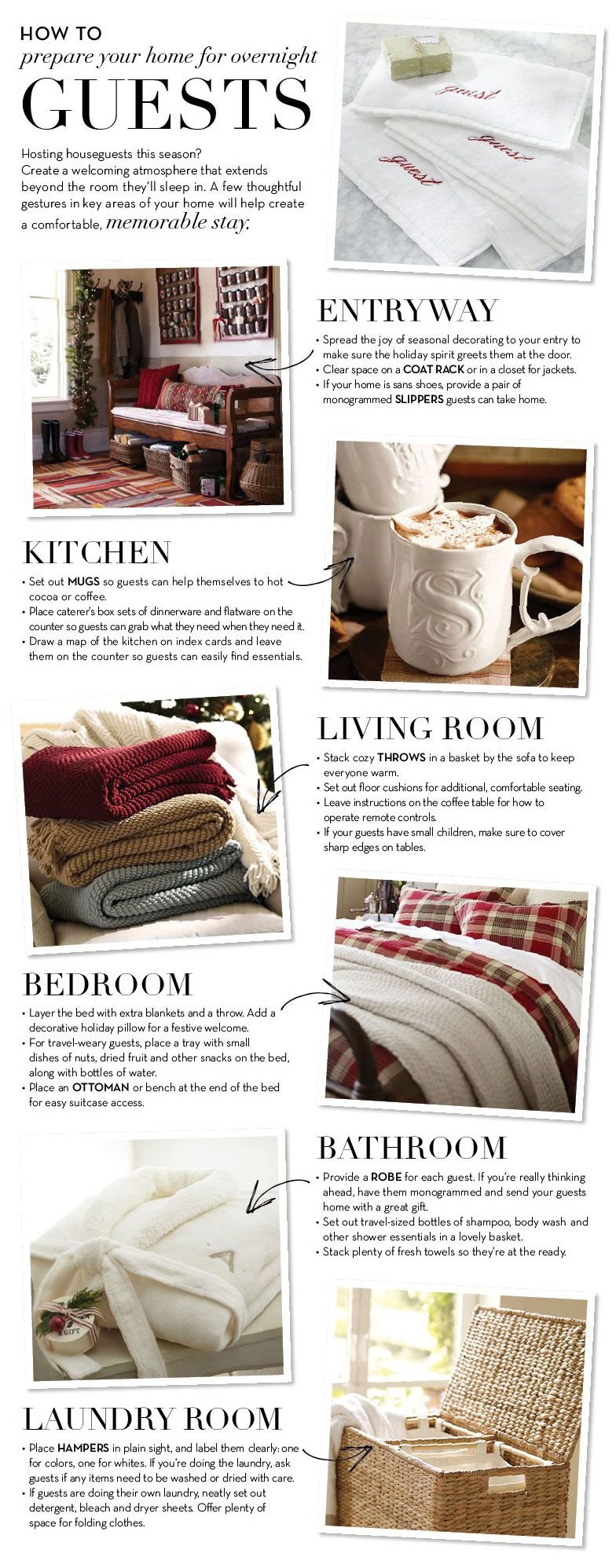
Guest Room Essentials
How to Create a Welcoming and Comfortable Guest Room
Thoughtful Touches for Timeless Hospitality
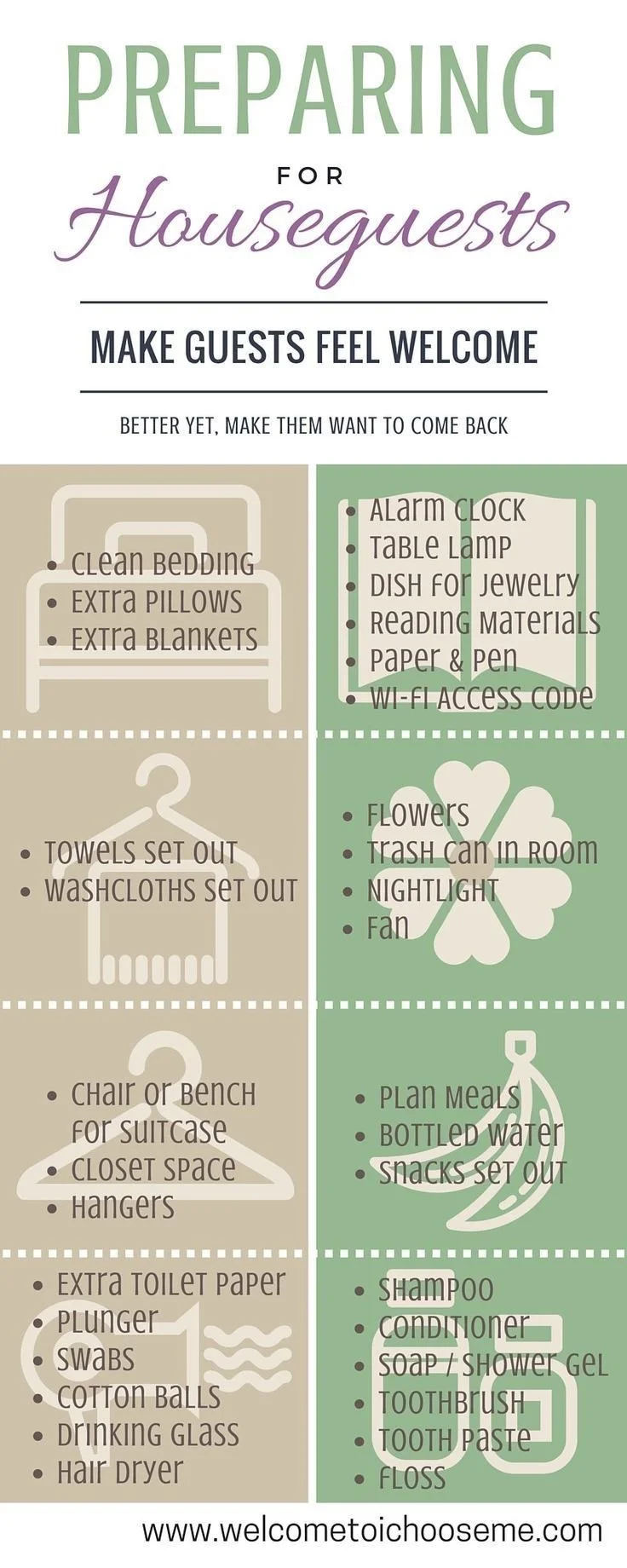
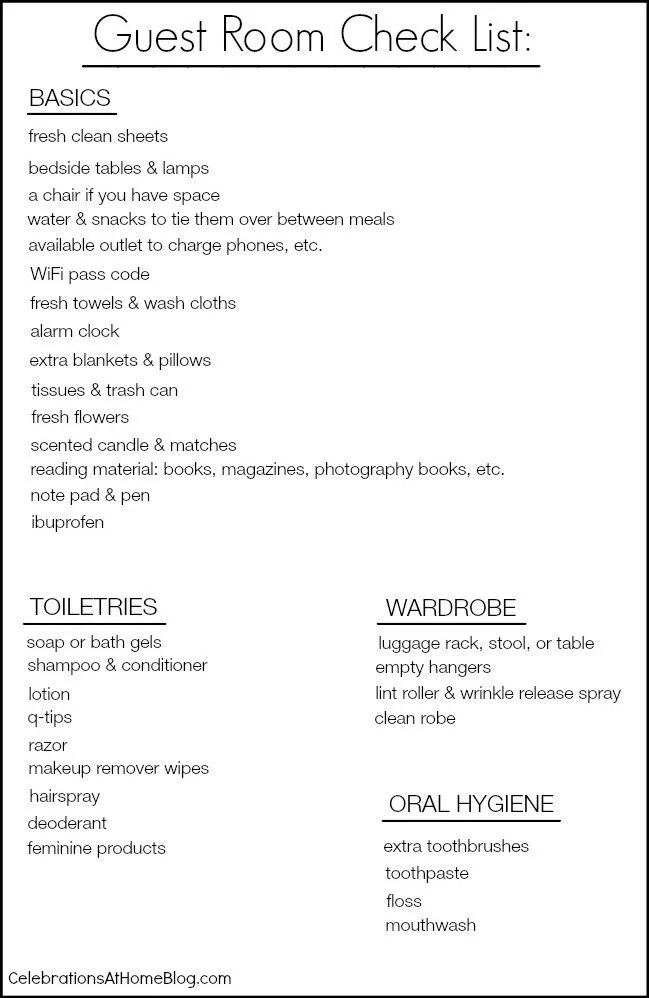
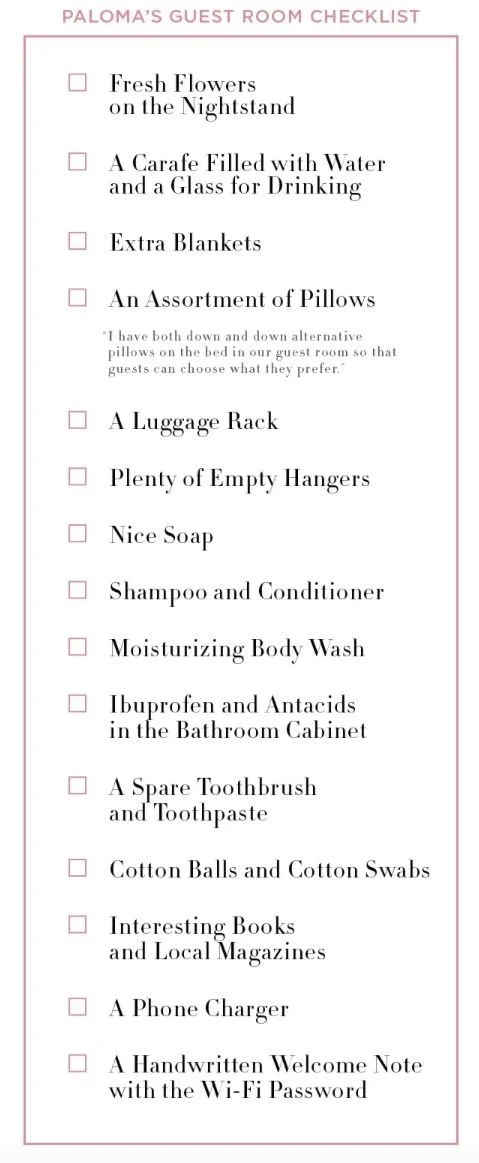
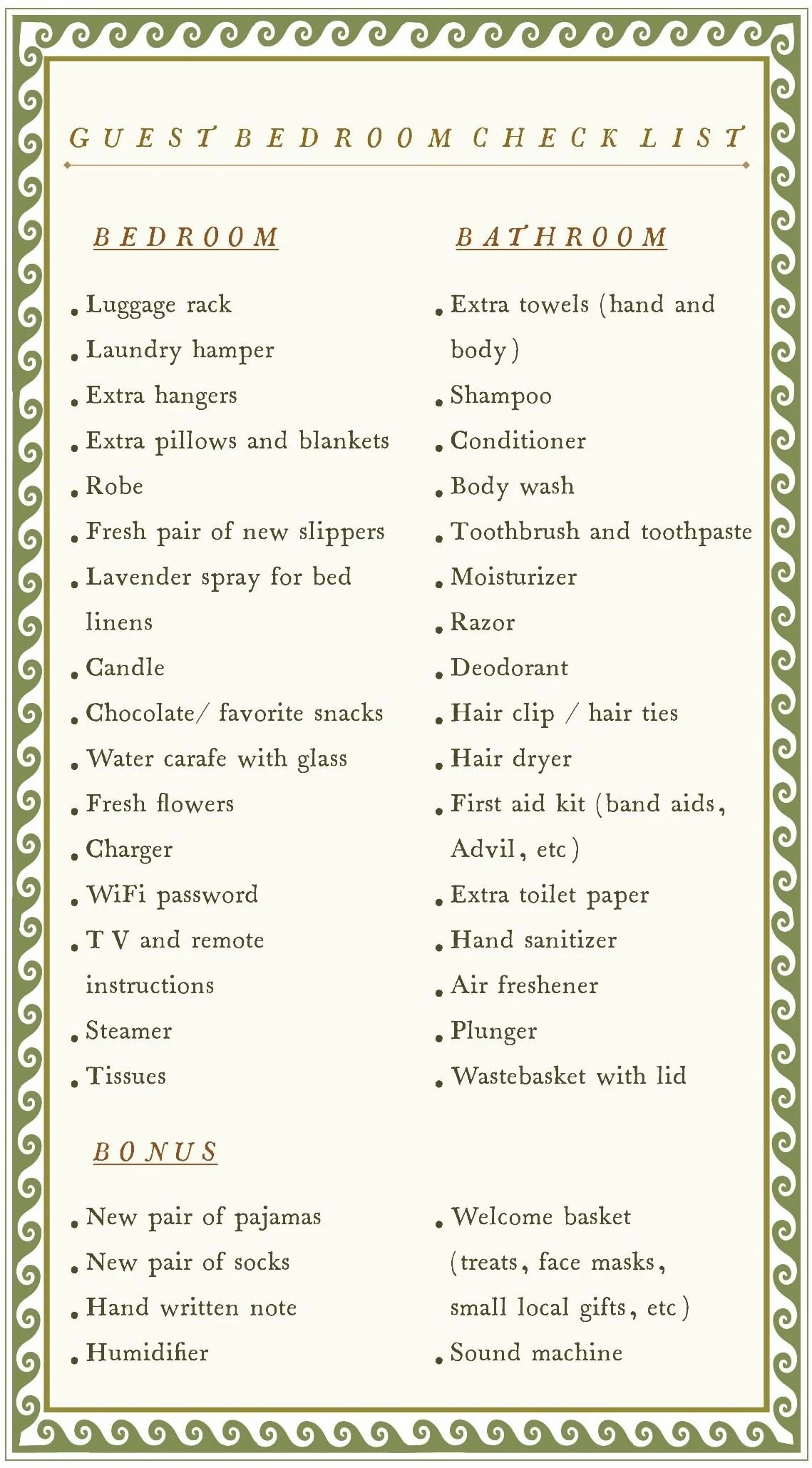
There’s something undeniably charming about a well-appointed guest room—a space that feels both refined and restful, offering your visitors a true sense of home away from home. Whether you’re hosting family for the holidays or friends for a long weekend, here are the essentials (and extras) to make your guest room feel warm, polished, and perfectly put together.
1. Crisp, Inviting Bedding
Start with fresh, high-quality linens in classic white or soft neutrals. Layer a duvet, a light quilt, and extra blankets at the foot of the bed for comfort in any season. A mix of down and down-alternative pillows ensures every guest sleeps well.
Tip: Ironing pillowcases and the top sheet adds a tailored touch.
2. Thoughtful Bedside Setup
Include a small bedside table or chest with a lamp, a carafe of water or bottled water, a notepad and pen, and a phone charger. A small dish for jewelry or watches is also a thoughtful inclusion.
Classic accent: A monogrammed linen handkerchief or coaster.
3. Fresh Towels and Toiletries
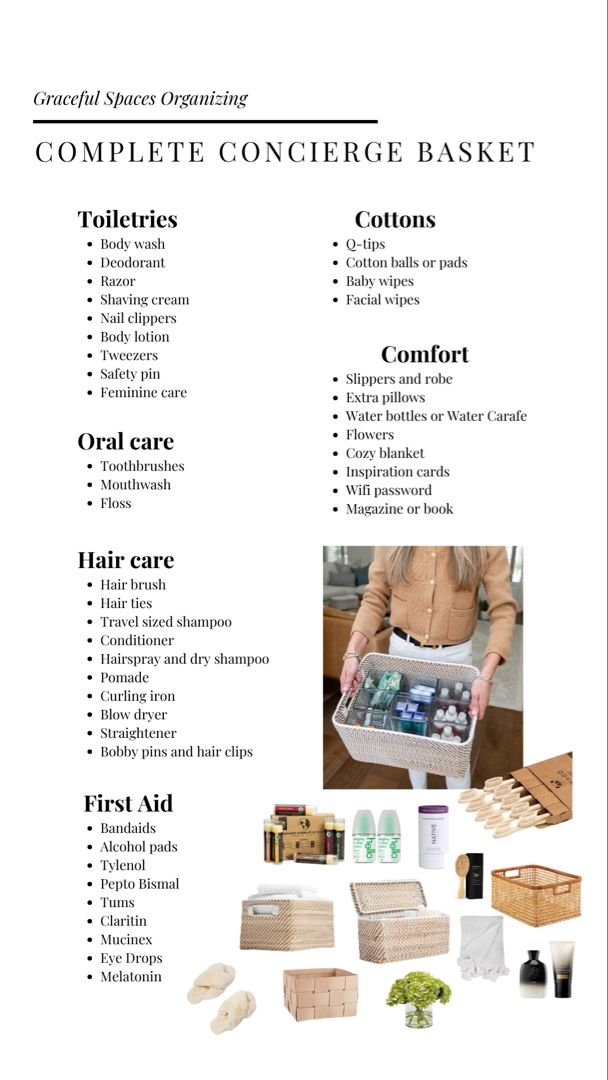
Provide a stack of clean, fluffy towels and a small set of essentials—think: shampoo, conditioner, body wash, lotion, a toothbrush, and even a razor. Cotton balls and Q-tips. Present them in a basket or tray for hotel-like elegance.
Elevated detail: Wrap towels in grosgrain ribbon or place a lavender sachet nearby.
4. Ample Storage Space
Clear a few drawers and provide some empty hangers in the closet. Even a simple luggage rack or bench gives guests a place to organize their things neatly.
5. Soft Lighting Options
Avoid harsh overhead lighting. Instead, offer ambient light from a bedside lamp, a reading sconce, or even a small candle (real or flameless). Dimmer switches are a bonus if you’re doing electrical updates.
6. A Mirror and Hooks
A full-length mirror is both practical and appreciated. A few wall hooks or a valet stand add convenience without clutter.
7. A Local Welcome
Add a personal touch by leaving a handwritten welcome note, a local guide or favorite coffee shop list, and a small treat—like seasonal fruit, homemade cookies, or local chocolates.
8. Books and Magazines
Place a few classic novels, current magazines, or a beautiful coffee table book on the nightstand or dresser. Choose topics with broad appeal—interiors, travel, or classic literature.
9. A Touch of Greenery
Fresh flowers or a small plant breathe life into the room. Opt for low-maintenance greenery or a petite arrangement in a glass or ceramic bud vase.
10. A Quiet Retreat
Ensure the room is peaceful—squeaky doors oiled, windows that close securely, and a fan or white noise machine available. A small basket with earplugs and an eye mask is a lovely bonus.
Final Thought:
The key to a truly welcoming guest room lies in anticipating needs with grace and simplicity. With classic textures, calming colors, and thoughtful details, your guest space will exude quiet luxury—and make each visitor feel genuinely cared for.