

Quick Refresh
Title: How to Instantly Refresh Your Kitchen—Without Buying a Thing
When your kitchen is starting to feel a little stale, your first instinct might be to head to the store or scroll through online home décor shops. But here’s the good news: sometimes all it takes is a little creativity, elbow grease, and reimagining what you already have. Whether you rent or own, these no-cost tricks will help you breathe new life into your kitchen without spending a dime.
1. Declutter the Counters
Nothing transforms a kitchen faster than a clean, clear countertop. Put away rarely used appliances, toss out expired pantry items, and corral loose utensils or random mail piles. A minimalist counter not only looks fresh but also makes cooking feel easier.
2. Rearrange Your Shelves
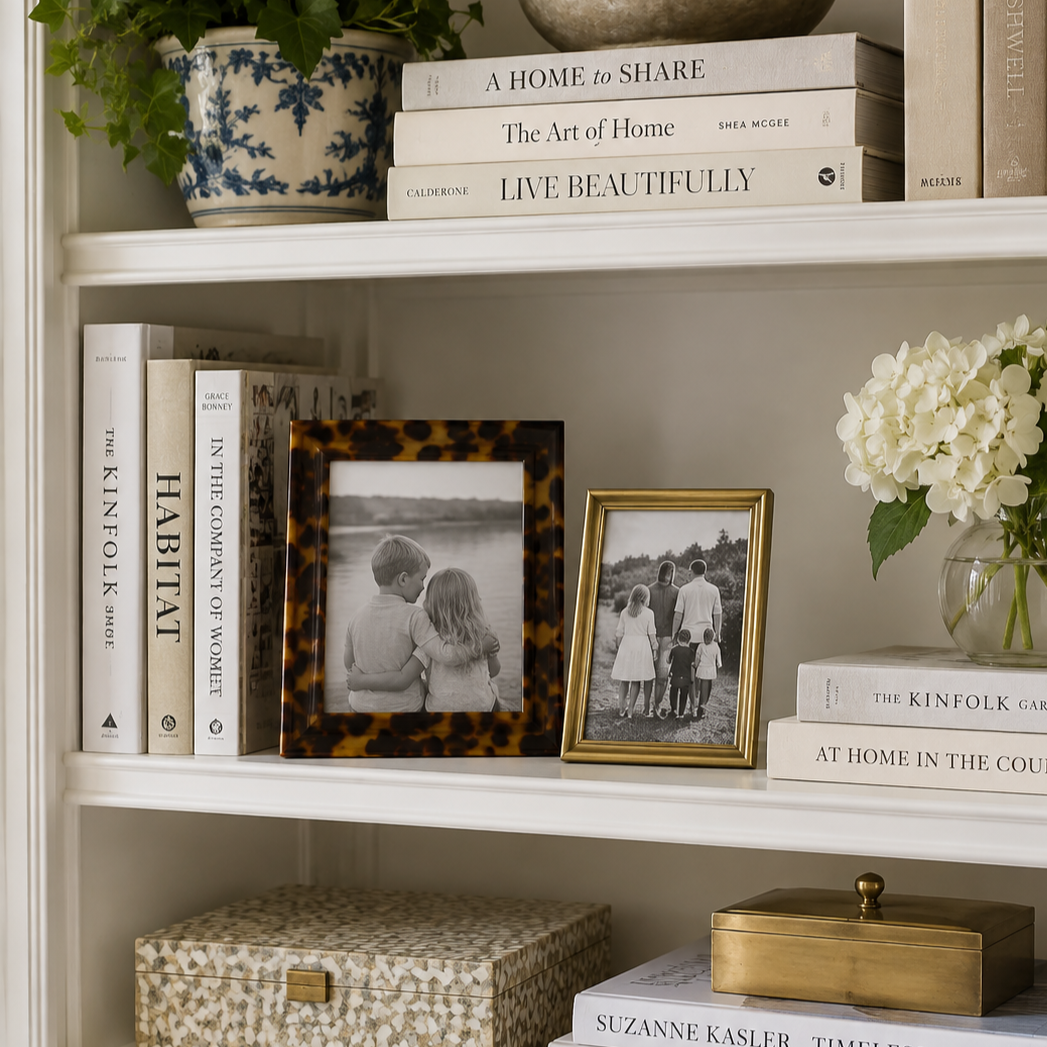
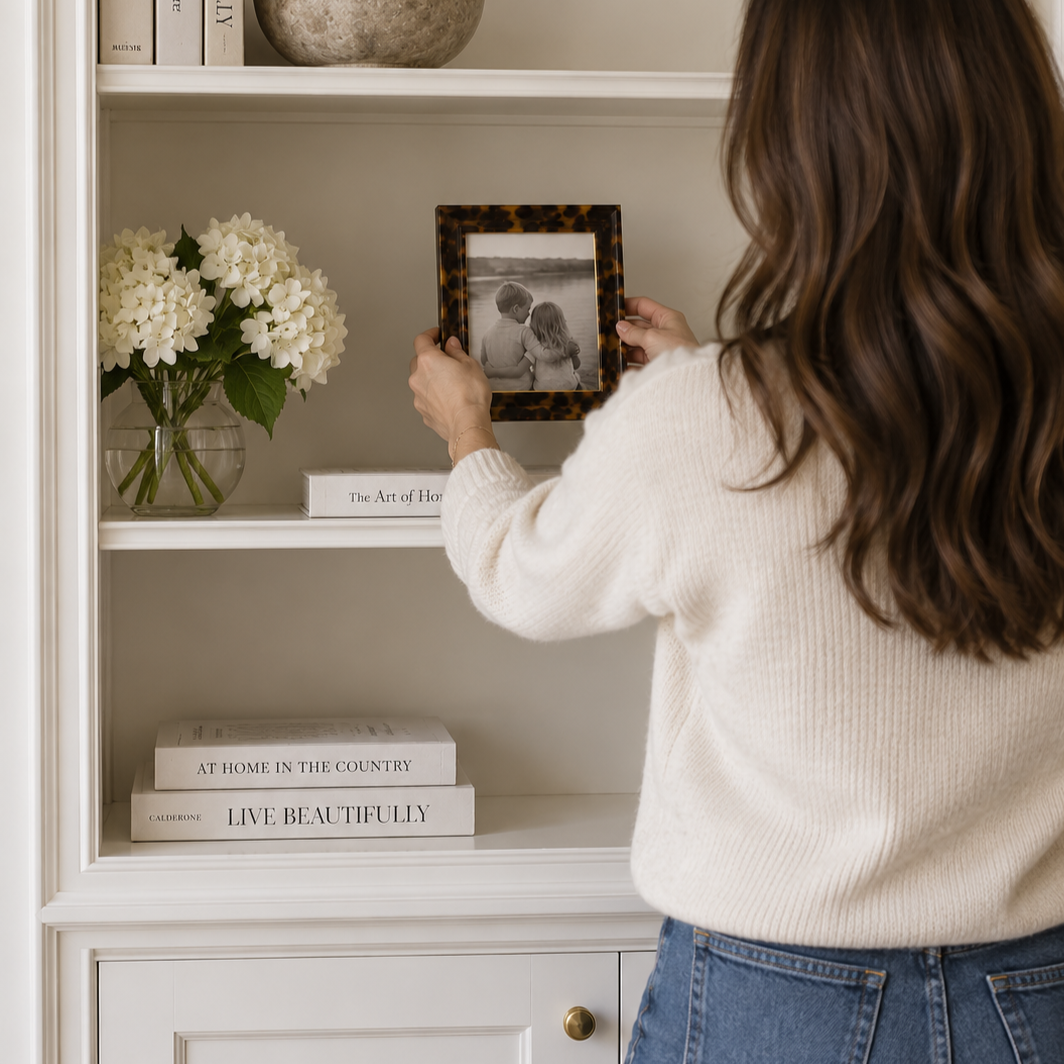
Take a moment to reorganize your open shelves or glass-front cabinets. Group similar items, stack plates neatly, and consider color-coding mugs, bowls, or cookbooks for a visually appealing display. You can also "shop" other rooms for décor pieces like small vases or framed photos to add interest.
3. Deep Clean Key Areas
Scrub the sink until it sparkles. Wipe down cabinet fronts, baseboards, light switches, and behind the stove. Cleaning may not sound glamorous, but a truly clean kitchen instantly feels newer and brighter.
4. Restyle Your Kitchen Textiles
Wash and re-fold your kitchen towels, swap out the dishrag, and iron any wrinkled linens. You can also rotate in seasonal or patterned pieces you’ve stored away. It’s a small touch that can subtly shift the mood of the space.
5. Create a Focal Point
Use what you already own to create a mini “moment” on your counter or island. A wooden cutting board, a candle, a bowl of fresh fruit, or a plant from another room can make the space feel intentional and styled.
6. Change the Layout (If You Can)
In smaller kitchens, this could mean shifting a rolling cart or small table to a different spot. In larger kitchens, try repositioning chairs, light stools, or other movable elements to give the room a refreshed flow.
7. Organize the Fridge & Pantry
Yes, even hidden spaces matter! An organized fridge and pantry not only boost your mood every time you open them, but also help streamline your day-to-day cooking and meal prep.
8. Edit Your Magnet or Bulletin Board
Take a fresh look at what’s stuck to the fridge—old takeout menus, school notices, random coupons—and give it an update. Curate it like a mini gallery with just a few favorite photos, kids' artwork, or a handwritten quote you love.
9. Bring in Natural Light
Pull up the blinds, wipe down the windows, and let the sunshine in. Natural light makes any room feel bigger and more inviting—and it costs nothing.
10. Play Music or Light a Candle
Okay, this isn't technically a visual change—but creating a warm, welcoming atmosphere makes the kitchen feel loved and lived-in. Whether it's soft background music while you cook or the cozy flicker of a candle while you sip coffee, small sensory shifts make a big difference.
Final Thought:
Refreshing your kitchen doesn’t always require a trip to the store. Often, it’s just about seeing your space with new eyes and putting a little care into the details. So before you click “add to cart,” try giving these ideas a go. You might be surprised at how good your kitchen can look—and feel—already.
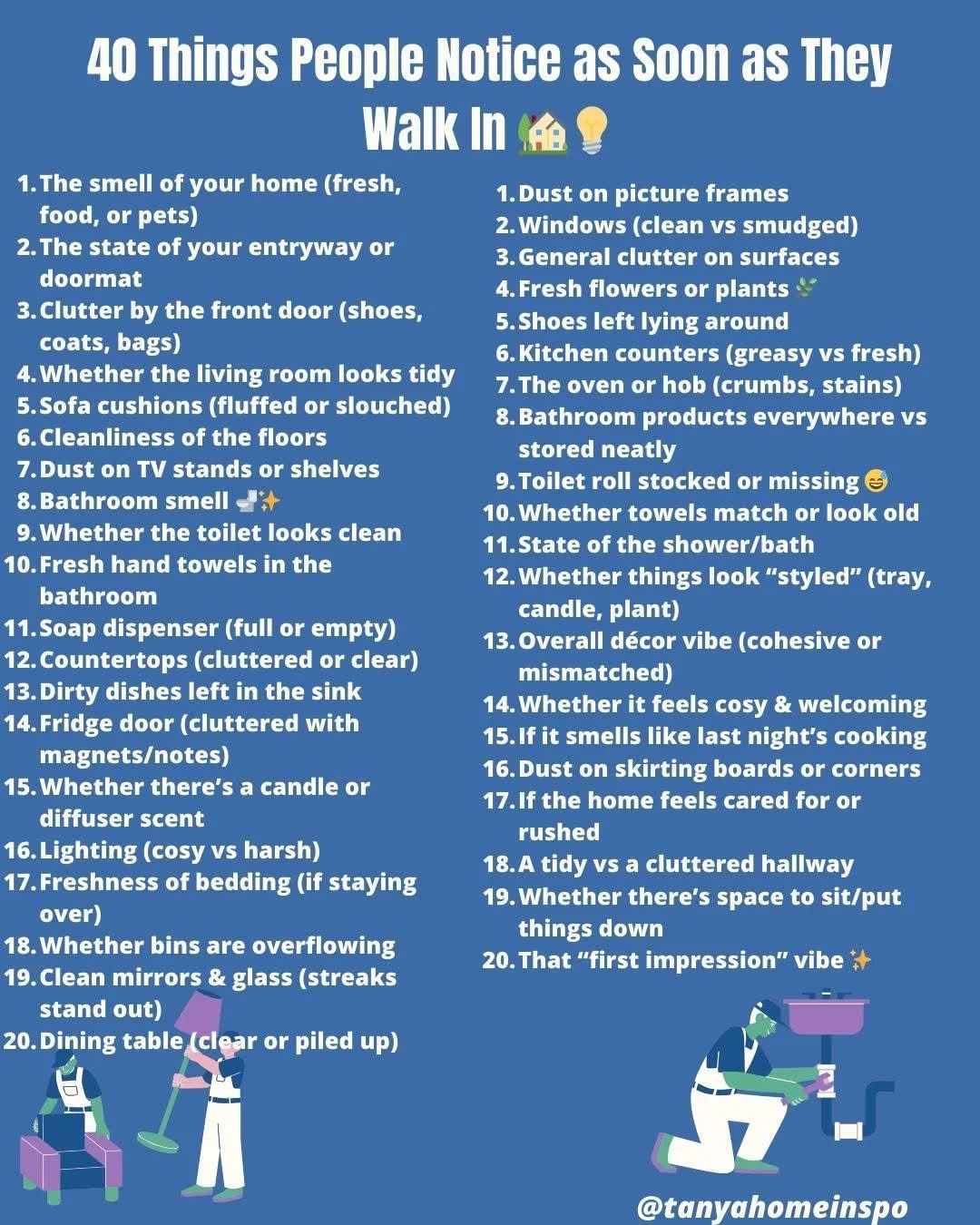
1. Switch to screwless wall plates. These look much cleaner and you can paint them to match your walls👌🏼
2. Upgrade your toilet lever. These come in several different finishes are are easy to install in minutes 🚽
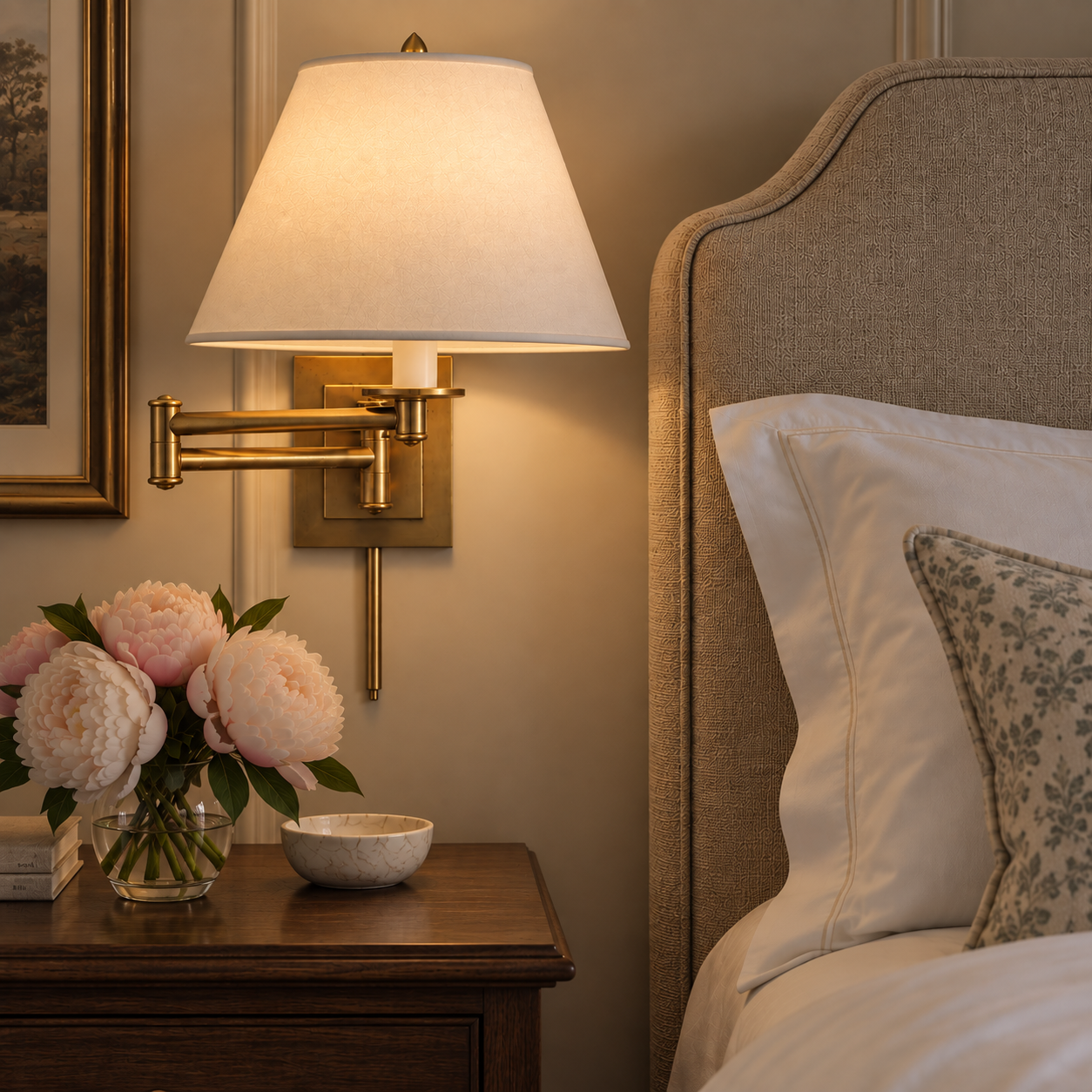
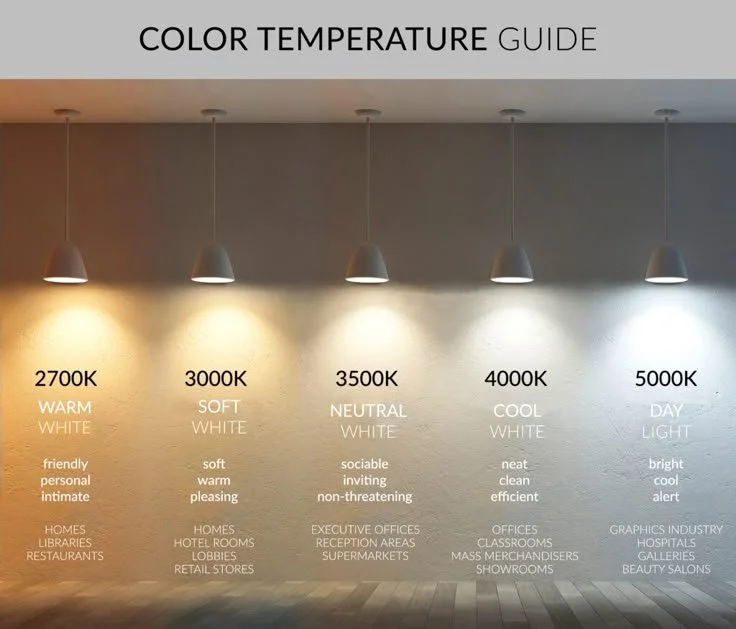
3. Make sure you have warm white (2700k) bulbs. Warmer lighting makes your home feel so much cozier and creates a more relaxing environment💡
4. Swap out your bulky AC registers with a clean linear cover. These can be painted to match your ceiling or even covered with wallpaper 🪄
5. Turn anything gold with Rub n Buff. You can apply this to almost any surface for a realistic antique gold look ✨
The Guide: Throw Pillows
Size up
Which inserts to buy
The Thoughtful Guide to Throw Pillows
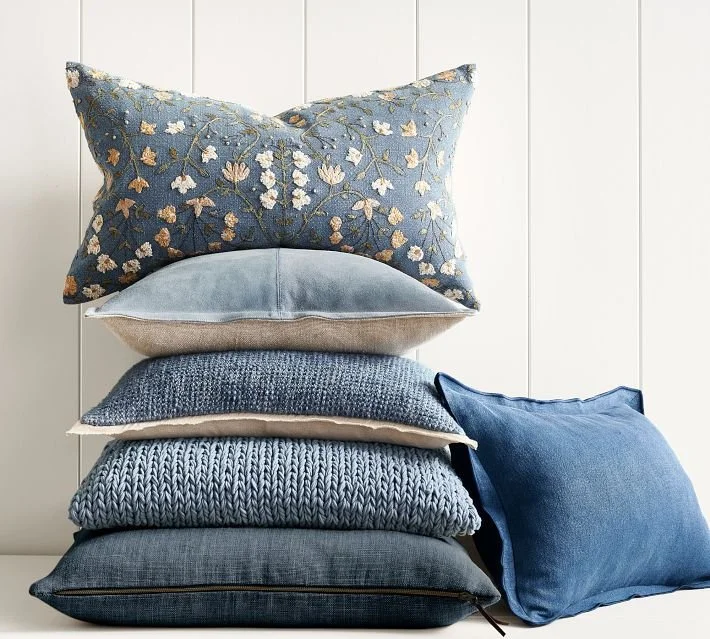
Throw pillows are the quiet finishing touch of a well-designed room. They soften hard lines, introduce pattern and texture, and—when done well—make a space feel layered and intentional. Yet many homes either have too few pillows to make an impact or so many that the sofa becomes unusable.
This guide walks through everything you need to know: sizing, inserts, styling applications, and the small details that separate a polished look from pillow chaos.
Why Throw Pillows Matter
Throw pillows serve both aesthetic and practical purposes:
They add comfort and support
They introduce color and pattern without major commitment
They help visually balance furniture
They soften structured upholstery
Think of them as jewelry for your room—small, but transformative.
Pillow Sizes: The Foundation of Good Styling
The most common mistake is using pillows that are too small. Undersized pillows look skimpy and rarely fill out adult-scale furniture.
Standard Square Sizes
22" x 22"
Your workhorse size. Ideal for most sofas and sectionals. Creates a full, tailored look.
24" x 24"
Best for deep sofas or larger sectionals. Adds a more luxurious, designer feel.
20" x 20"
Good for layering in front of larger pillows, but usually too small to stand alone on a main sofa.
18" x 18"
Better suited for chairs, benches, or beds—not primary sofa pillows.
Lumbar Pillows
12" x 20" or 12" x 24"
Perfect for breaking up a row of squares and adding structure.
14" x 36" (extra-long lumbar)
Beautiful on beds or large sectionals; creates a more tailored, modern look.
Rule of thumb: Larger furniture requires larger pillows. When in doubt, size up.
How Many Pillows You Actually Need
Balance is everything. The goal is comfort without clutter.
For a Standard Sofa (72–84")
2 large squares (22" or 24")
1 lumbar or
2 large squares per side for a fuller look
For a Sectional
3–5 pillows total, depending on scale
Anchor the corners first
Avoid lining every seat with pillows
For Accent Chairs
Usually just one pillow
Occasionally two for oversized chairs
For Beds
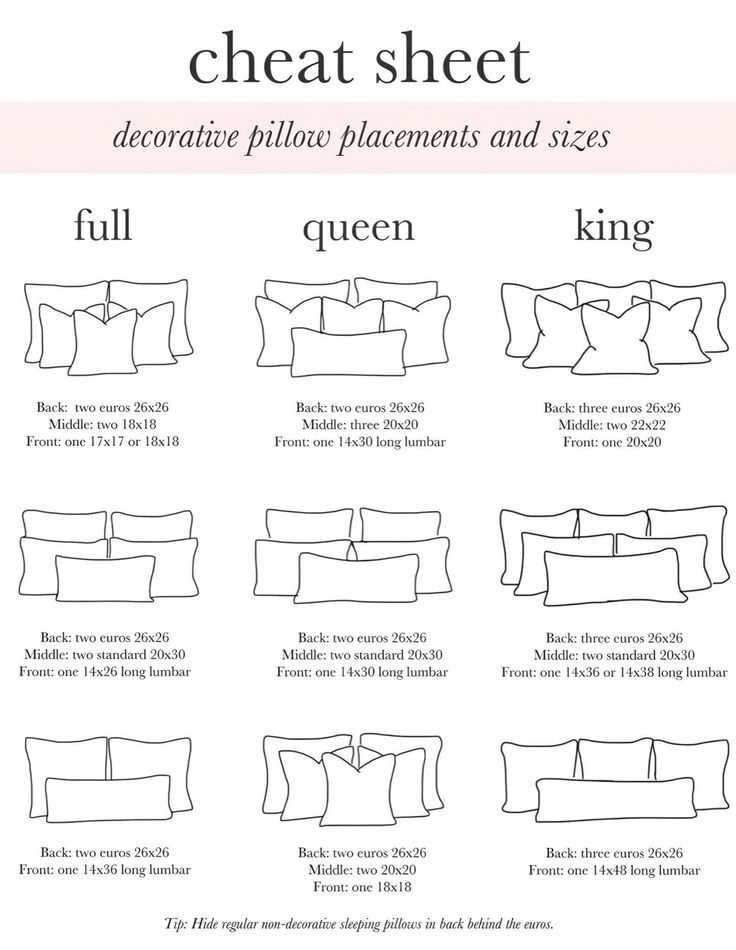
Euro shams in back
Standard or queen pillows
1 lumbar or small accent pillow in front
If guests must perform pillow gymnastics to sit down, you have too many.
Insert Fillers: Down vs. Alternative
The insert is where quality truly shows. A beautiful cover with a limp insert will always look disappointing.
Down or Feather Inserts (Designer Favorite)
Pros
Soft, relaxed look
Easy to "karate chop"
Molds comfortably
Feels luxurious
Cons
Requires occasional fluffing
Not ideal for severe allergies
Usually more expensive
Best for: Living rooms, primary bedrooms, and any space where polish matters.
Down-Alternative Inserts
Pros
Hypoallergenic
Holds shape well
Typically more affordable
Lower maintenance
Cons
Can look stiff
Less drape and softness
Harder to achieve designer look
Best for: Kids' rooms, high-traffic family spaces, budget-friendly projects.
The Golden Rule of Inserts
Always size your insert 2 inches larger than the pillow cover.
22" cover → 24" insert
20" cover → 22" insert
This creates that full, tailored, slightly overstuffed look designers aim for.
Styling Combinations That Always Work
You do not need dozens of patterns. Thoughtful restraint feels more elevated.
The Classic Layer
Large solid or subtle texture in back
Patterned pillow in front
Optional lumbar centered
The Balanced Mix
1 large solid
1 medium-scale pattern
1 small or subtle pattern
The Quiet Luxury Look
Similar tones
Heavy on texture (linen, velvet, boucle)
Minimal contrast
The Collected Family Room
Durable fabrics
Slightly more pattern
Performance materials welcome
Fabric Choices and When to Use Them
Linen – relaxed, breathable, perfect for casual spaces
Velvet – rich and formal, beautiful in living rooms and bedrooms
Bouclé – highly textural and cozy
Performance fabrics – ideal for homes with kids or pets
Wool or heavy weave – wonderful for fall and winter layering
Seasonal rotation keeps your room feeling fresh without a full redesign.
Common Throw Pillow Mistakes
Avoid these and your room will instantly feel more considered:
Using pillows that are too small
Matching everything too perfectly
Overcrowding the sofa
Forgetting texture variation
Using flat inserts
Ignoring scale relative to furniture
A Simple Formula to Start With
If you want an easy, foolproof setup for most sofas:
Two 22" or 24" pillows (one on each end)
One lumbar in the center
Inserts sized up by 2"
Mix one solid and one pattern
Clean, comfortable, and always appropriate.
Final Thoughts
Throw pillows should make a room feel inviting, not overworked. When sized properly, filled generously, and edited thoughtfully, they create that subtle, finished feeling that defines a well-loved home.
Start simple, invest in good inserts, and remember: comfort and restraint will always look more timeless than excess.
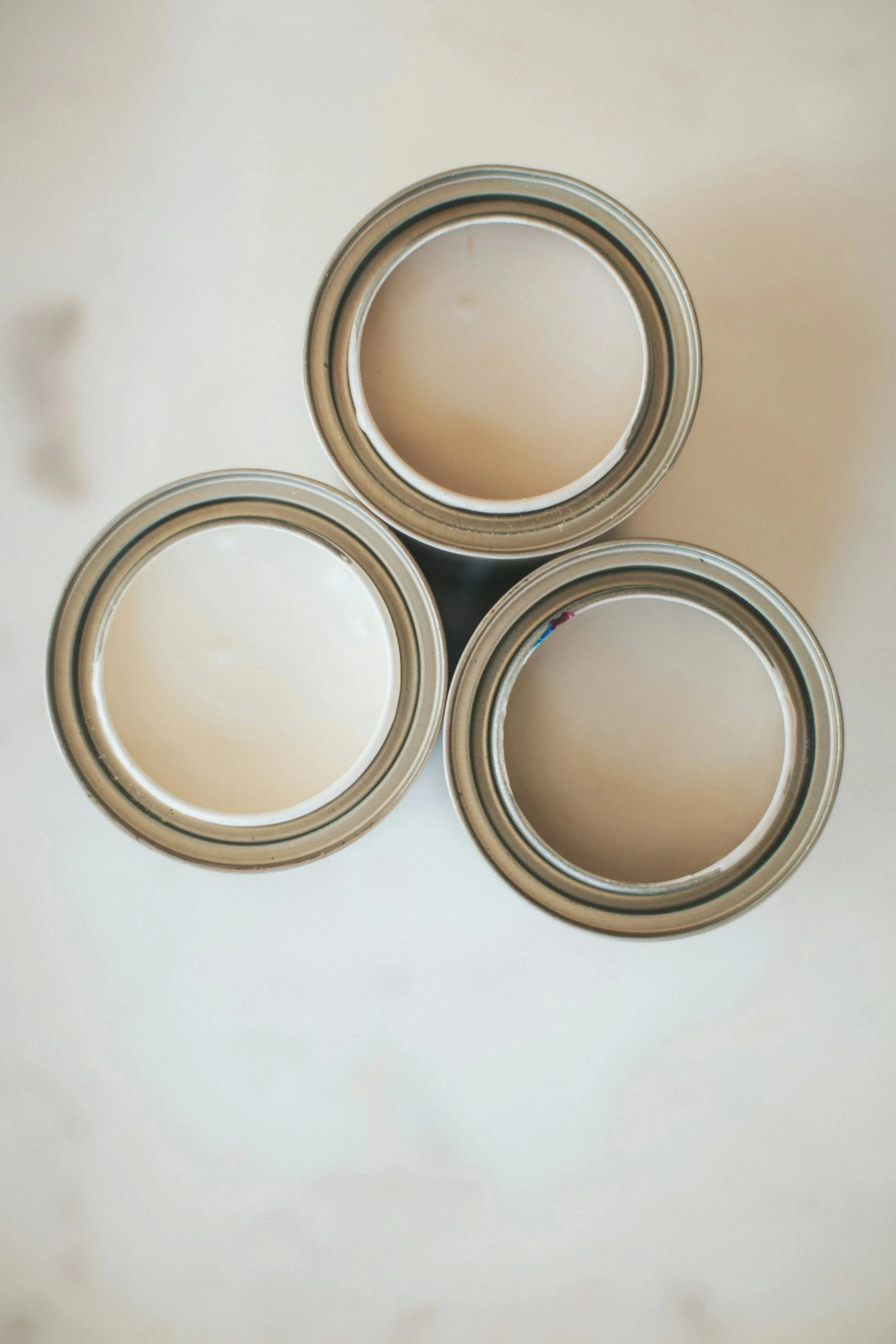
The Best: White Paint Colors
Everything you need to know about selecting the right color and my go-to faves.
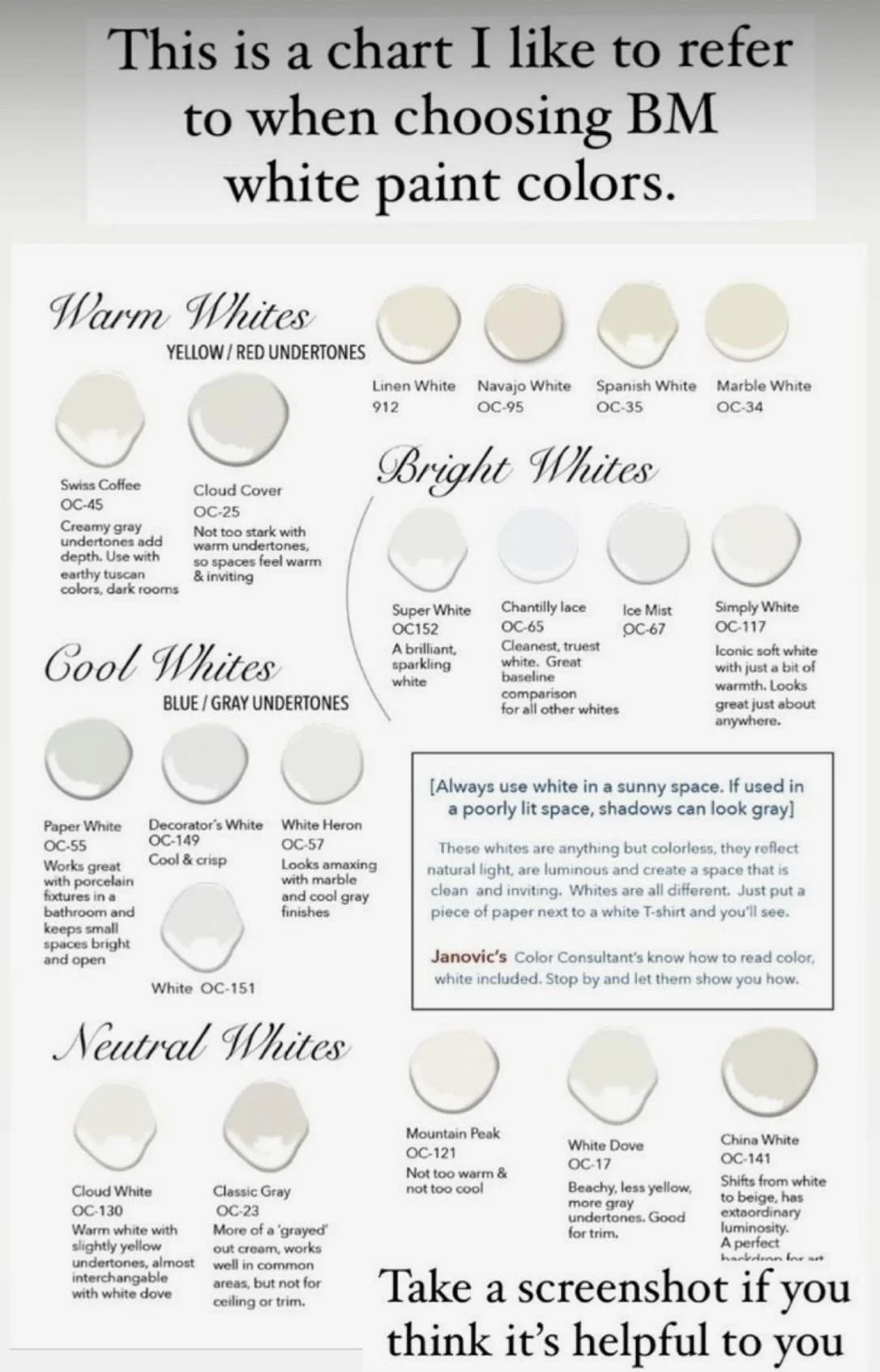
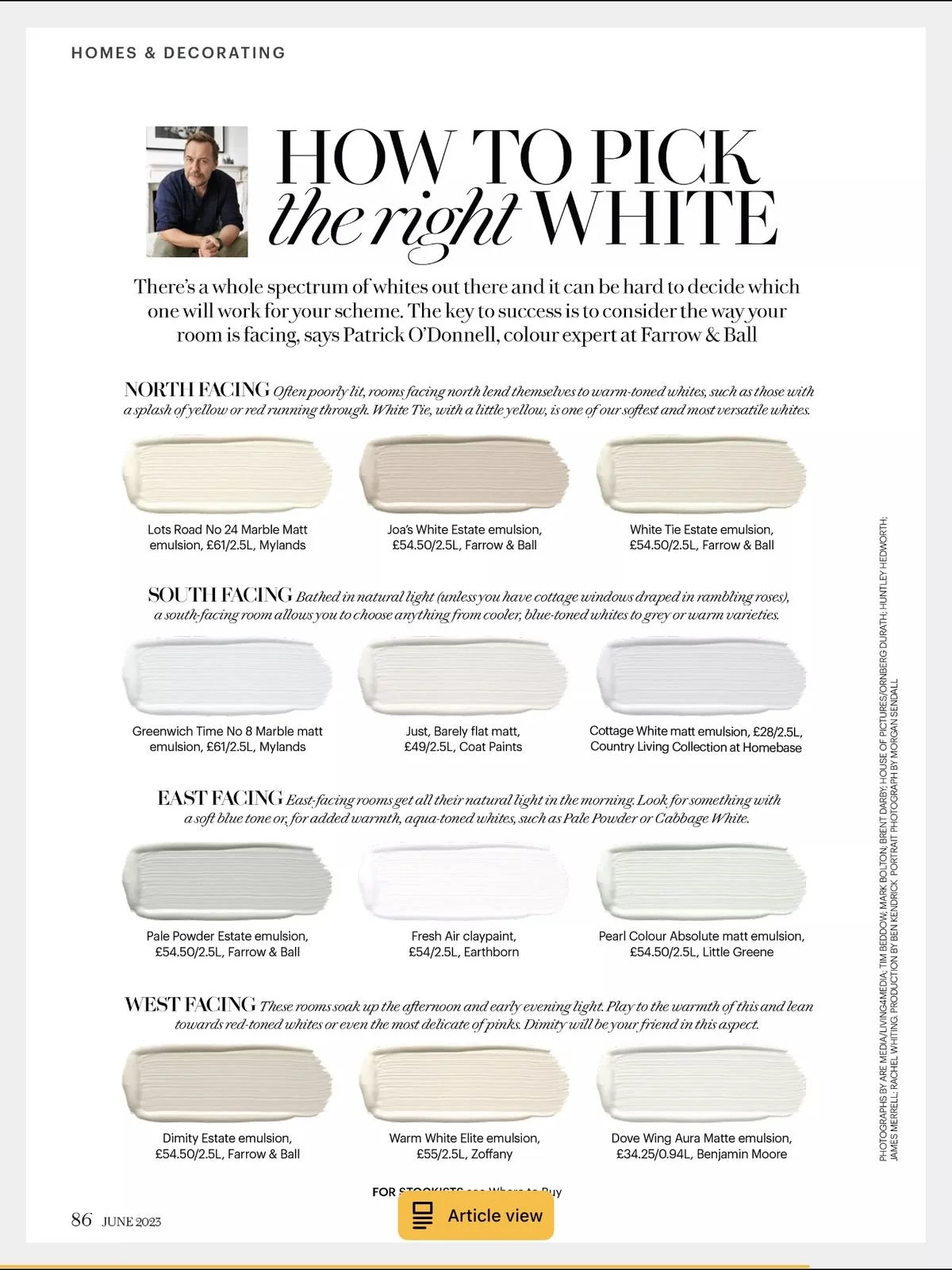
It is the design question every client asks, the decision that stumps the most: what paint color should I use? There are literally thousands of colors available - many of which are lovely and many more that look the same. (How many whites does this world need?!) Add in a dozen brands to choose from, a mind-boggling array of sheens... And while many designers and contractors will tell you otherwise, paint is a pain to change and it can be expensive to do so. Better to get it right the first time.
We'll share a little secret with you: designers use the same handful of colors over and over again. We know what works and rarely deviate. We not only want to get it right the first time, we want to get it right every time, because wall color is so important.
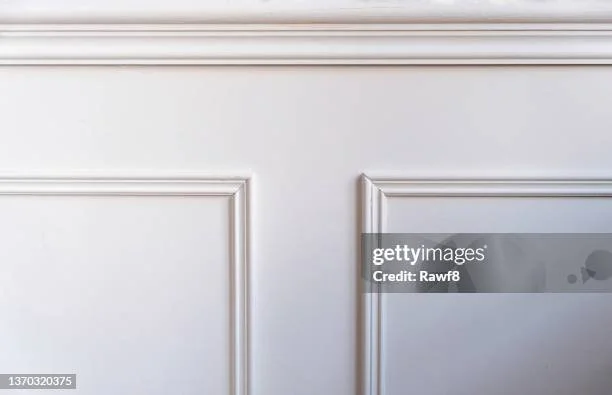
NEUTRALS RULE
Think of your walls like the canvas for everything else in your room. Neutrals don't go out of style or beg to be changed with the season. Regardless of whether you love brights, deep hues or anything in between, choosing the right neutral will provide your color palate with a strong foundation, allowing your furnishings, window coverings and architectural details to really pop.
OUR FAVORITES
Before you judge: the colors above look nothing like they do in real life, so we're doubtful you'll fall immediately in love with them like we know you would if you saw them in person. Ugh. We beg you to head to your local Benjamin Moore retailer and see their beauty in person... they're worth it.
Our go-to color for trim is Benjamin Moore's Simply White, OC-24. It's not too cool, not too warm... it's simply white. And for a soft, creamy, "I play well with others" wall color, we use Benjamin Moore's Wind's Breath, OC-117. It's not too cool or warm. It doesn't push yellow or gray (as many neutrals do!), but it looks beautiful with either. It's the perfect neutral.
The combination is admittedly light, which we love, because it creates an airy foundation... to which you can add everything from bright hues to deep tones, depending on your style or mood. There is enough contrast from trim to wall, but not so much that all you see is woodwork. We've used it countless times because it works.

Simply White, OC-117, Benjamin Moore

Winds Breath, OC-24, Benjamin Moore
CHOOSING THE RIGHT COLORS
If you don't care for the above combo, here's how to select your own:
Look for inspiration. There are many resources (Instagram and Pinterest are our faves) where you can find photos with paint colors listed. Select your top three and look for the common thread - are they all cool? All creamy? Somewhere in between?
Look at your existing furnishings. If you're in love with gray walls, but have all gold-yellow-cream upholstered furniture, it may be wise to compromise with your paint color. (Mixing neutrals is very "in" but tough to do well.) Consider a hue that can swing both ways, like Feather Down (above).
Pay attention to undertones. This can be tough to identify in a light shade, so look at the darkest color on the swatch (within the same color family) for clues. Do you see cooler tones like blue or green? Or warmer tones like brown or yellow?
Consider your lighting. If your room is flooded with natural light, you'll see the hue's truest color. Other lighting types/sources (fluorescent, for example) can draw out the warmer or cooler tones in a color.
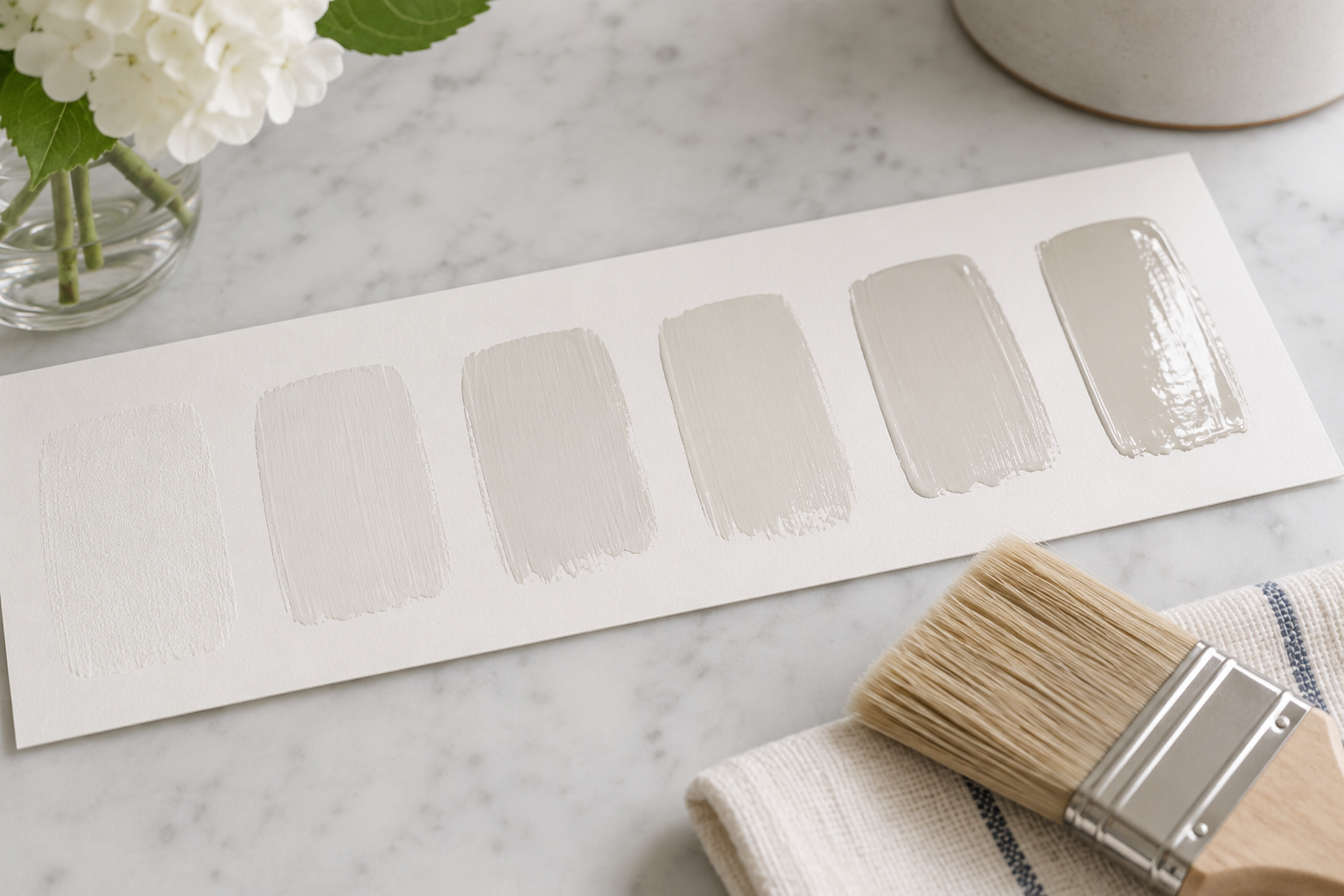
Try samples on your wall. It's takes a little extra time and effort up front, but painting 3x3 "swatches" on your wall will give you a much better idea of which color you're drawn to, which looks best with your existing furnishings, and which looks best in your room's lighting.
COORDINATING TRIM + CEILING COLORS
Select a trim color that provides contrast from the walls, but that maintains a similar undertone. For example, if you have a cool gray wall, ensure your white trim does not have a creamy yellow undertone. A "blue white" will be better suited. For ceilings, try the same color you used on your walls or trim in eggshell sheen.
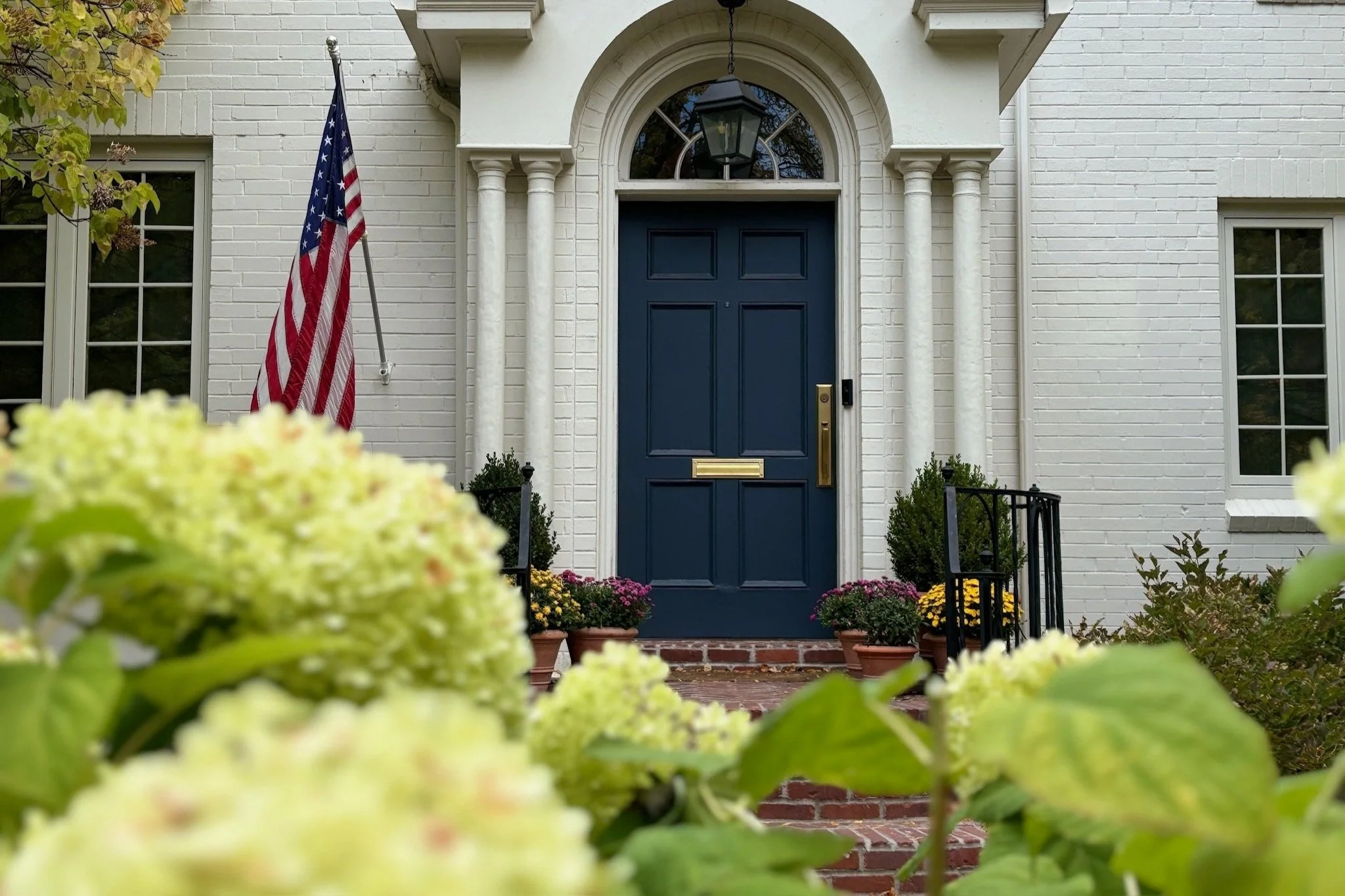
How To: Curb Appeal
Whether you're selling your home and want top dollar, or just want a beautiful house to come home to, start at the street.
Whether you're selling your home and want top dollar, or just want a beautiful house to come home to, start at the street. Focus on the essentials - upkeep, landscaping, balance, cohesiveness and charm - to get that often-lusted-after-but-seldom-achieved "curb appeal."

01
REPAIR
Wash, paint, repair. You can spend all the time (and money) in the world with frou frou distractions, but if you need a new roof, you need a new roof. Start with the basics and the rest will be the icing on top.
Scrub the siding, touch up the trim, and repair the handrail. And, while it can be costly, a fresh coat of paint can make a world of difference and may be worth it.

02
TIDY THE landscaping
Trim the trees, prune the bushes, sweep your walkways and even the mulch. Reseed or replace brown patches in the grass. Create balance between each element: established landscaping looks even better when it's in proportion with your home. And don't forget about pots, planters and window boxes; layer each with seasonal blooms to add color and texture.

03
Edit
Aim for consistency in terms of architectural and design style. If you have a Craftsman door, decorative Victorian corbels won't make sense. Use online sources like Pinterest and Houzz to inspire and guide you.
If you're having a tough time putting a finger on what doesn't feel quite right, don't hesitate to call in the pros - an architect or designer should be able to spot the issue easily.

04
Add charm
The most welcoming entries have a little personality. Add a pop of color with a painted door or shutters. Replace your door hardware and add a vintage door knocker. Create ambiance with lighting. Rotate seasonal wreaths. And don't forget the welcome mat.
Take caution: while special features can be memorable, take care in choosing those that are not polarizing style-wise. Your cherished antique knickknack collection might feel overwhelming and distracting to others.
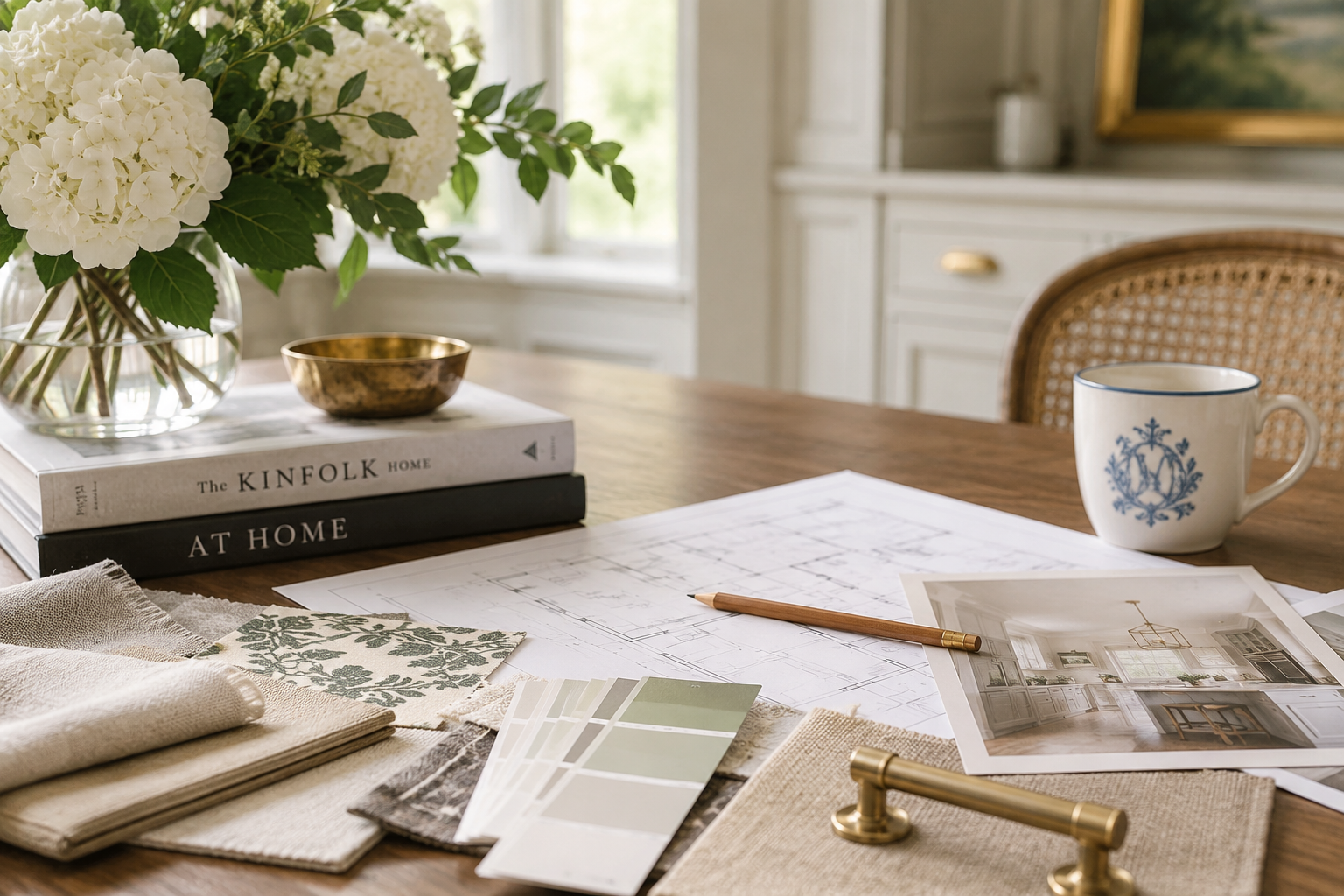
Starting a Home Project
Title: How to Start an Interior Design Project: A Guide to Timeless, Thoughtful Design
Starting an interior design project can feel exciting, inspiring—and sometimes a little overwhelming. Whether you're redesigning a single room or building your dream home from the ground up, approaching the process with intention makes all the difference. As a designer who values timeless elegance and the principles of slow design, I believe every space should evolve thoughtfully, with purpose and quality at its core.
If you're ready to begin your design journey, here’s how to start on the right foot:
1. Define Your Why
Before sourcing swatches or sketching floor plans, step back and ask: Why am I undertaking this project? Is it to create a more functional kitchen for your growing family? To design a sanctuary that feels calm and grounded? Clarity here shapes every decision moving forward—and ensures the final design truly reflects your lifestyle.
Tip: Write down three words that describe how you want the space to feel (e.g., welcoming, polished, serene). These will become your guiding compass.
2. Assess What You Have
A timeless design often honors the past. Take stock of what’s already in your home: heirlooms, vintage pieces, or quality furnishings that could be reimagined. Thoughtful editing—rather than starting from scratch—leads to spaces layered with meaning and history.
Slow Design Principle: Resist the urge to discard. Quality takes time and is worth preserving.
3. Establish a Realistic Budget and Timeline
Timeless design isn’t about chasing trends—it’s about choosing pieces that will last. That means prioritizing craftsmanship, materials, and finishes that elevate your home over time. Set a budget that allows room for investment in quality where it matters most.
Note: Slow design often means longer lead times, especially for custom or made-to-order pieces. Plan accordingly to avoid rushed decisions.
4. Create a Cohesive Vision
Mood boards are more than just pretty pictures—they’re a visual translation of your intentions. Pull inspiration from architecture, travel, art, or even fashion. Look for recurring colors, shapes, and textures that speak to your sensibility.
Classic Tip: Timeless interiors often draw from natural materials (stone, wood, linen), a neutral palette, and a balance of symmetry and proportion.
5. Function First, Then Beauty
A beautiful room that doesn’t work won’t stand the test of time. Start with how the space needs to function. Think about flow, natural light, storage, and how you truly live in the space. Once the foundation is right, layer in the aesthetics—beautiful textiles, classic millwork, antique finds.
Design wisdom: Good bones come first. Decorating is the final chapter, not the first.
6. Work with the Right Professionals
Whether you're hiring a designer, contractor, or tradesperson, choose collaborators who understand your vision and share your values around quality. Good communication and trust are essential—especially in a project that unfolds over time.
Pro Insight: I encourage clients to build a team early on, even before construction begins. Early decisions can avoid costly changes later.
7. Be Patient—and Present
Slow design means slowing down. Thoughtful decisions take time. Some of the best interiors are collected and completed over months or even years, not weekends. Don’t rush to “finish” a room. Let it grow with you.
Reminder: Timeless doesn’t mean static. It means enduring—something that continues to feel right, year after year.
Final Thoughts
Interior design isn’t just about creating a beautiful home—it’s about crafting a space that tells your story with grace, intention, and longevity. Starting with clarity, care, and craftsmanship sets the stage for a space you’ll love not just today, but for years to come.
If you're considering a project and want to design with purpose, I’d be honored to help bring your vision to life—slowly, beautifully, and with timeless detail.
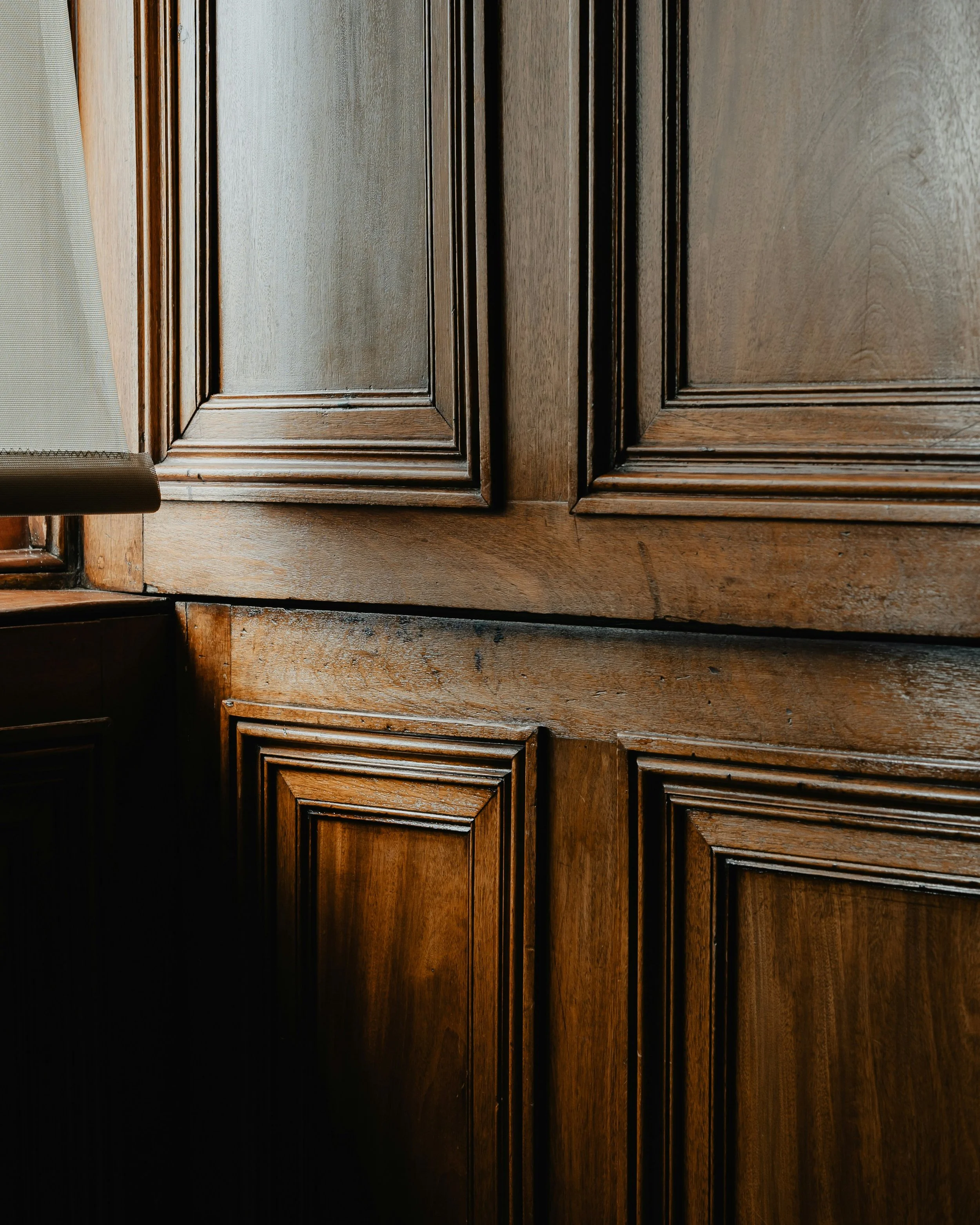
Elements of Timeless Design
The Four Essential Elements of Timeless Interior Design
By [Your Name]
When it comes to designing a beautiful, enduring space, the magic is in the details—but more specifically, in four essential elements that quietly shape the feeling and function of a room: lighting, scale, color, and flow. Whether you're starting from scratch or refining an existing space, keeping these core principles in balance will always lead you back to timeless design.
1. Lighting: The Mood Maker
Lighting is one of the most transformative design tools at our disposal. In a classic interior, it’s not just about visibility—it’s about atmosphere.
Layered lighting is key:
Ambient lighting (typically overhead) sets the foundation.
Task lighting (such as sconces, reading lamps, or under-cabinet lights) brings function.
Accent lighting (think picture lights or candlelight) adds warmth and personality.
Always consider natural light first—how it shifts throughout the day can guide your decisions for window treatments, room layout, and even paint colors.
Design Tip: Use dimmers generously. They allow you to shift the tone of a room from vibrant and social to soft and serene.
2. Scale: The Silent Sophisticate
A room can have all the right pieces, but if the scale is off, the entire space feels unsettled. Scale refers to how furnishings, décor, and architectural features relate to one another and to the room itself.
In timeless interiors, scale is about balance:
Avoid oversized furniture in small rooms—it swallows the space.
Likewise, don’t scatter tiny items in a large room where they’ll feel lost.
Varying scale within a room creates interest and depth, much like a well-curated outfit.
Design Tip: Anchor a seating area with a substantial rug to ground the space and establish proportions.
3. Color: The Backbone of Timeless Style
Color is deeply personal, but when chosen thoughtfully, it becomes the thread that ties a room—and a home—together.
Classic interiors often lean on muted palettes, rich neutrals, and nature-inspired hues. Think soft ivories, layered greys, historic blues, or warm taupes. These tones age gracefully and feel grounded in tradition.
That said, don’t shy away from bold color—used intentionally, it can add depth and soul. The key is consistency and restraint.
Design Tip: Before committing to a color, observe it in morning, afternoon, and evening light. It may surprise you.
4. Flow: The Feeling of Ease
Flow is what makes a home feel effortless. It’s the way your eye moves through a room—and how you move through it physically.
For strong flow:
Allow for generous pathways between furniture.
Arrange seating with conversation in mind.
Use symmetry to calm, and asymmetry to spark curiosity.
Repeat shapes, materials, or colors throughout your home to create a natural visual rhythm.
When a space flows well, it invites you in, guides you gracefully, and encourages you to linger.
Design Tip: Walk through your space as if you’re a guest—notice where you pause, where you feel cramped, or where the eye stumbles. That’s where adjustments can be made.
In Closing
Trends come and go, but these four elements—lighting, scale, color, and flow—remain at the heart of timeless design. They are the quiet forces working behind the scenes to create homes that feel just right: grounded, graceful, and enduring.
Whether you're refreshing a single room or starting from the ground up, returning to these fundamentals ensures your space will never go out of style.
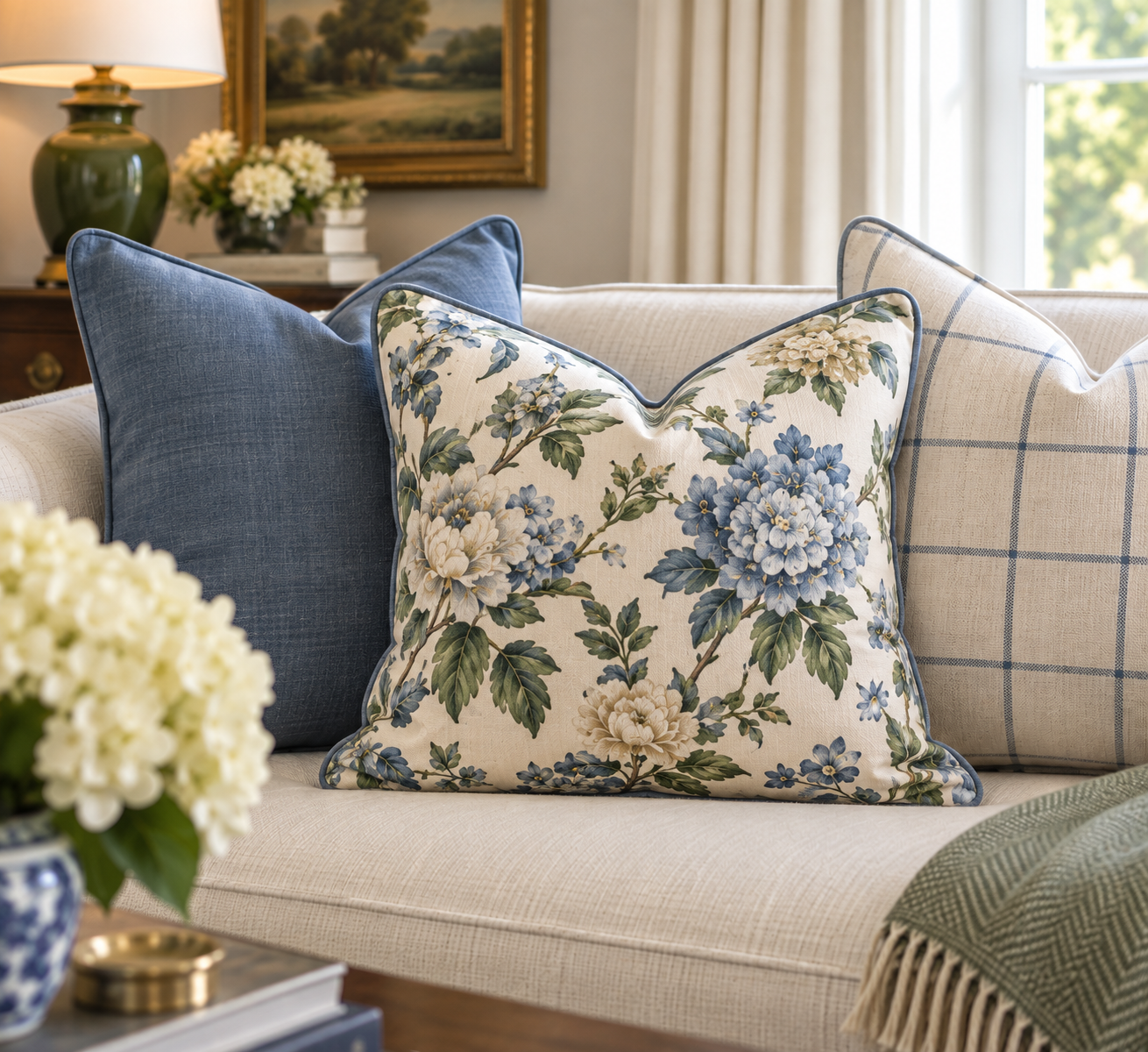
How To: Mix Prints & Patterns
1️⃣ Start with to your ‘hero’ fabric, one that you absolutely love, and let that decide your colour scheme (you don’t have to use all of the colours, just one would be ok, and then you can build on that).
2️⃣ Then, ORDER LOADS OF SAMPLES! This is so important, as the more choice you have, the easier and better the scheme will come together!
3️⃣ Start throwing spaghetti at the wall. By this, I mean pull out any fabrics that share at least one colour with your hero fabric (and make sure the colour-match is fairly accurate).
4️⃣ So now you have the long list. Next, you’re going to start whittling them down. Be ruthless. Follow these rules:
✨ Stick to a tight colour palette of 3-4 colours
✨ Make sure patterns are different scales
✨ Try to use different types of pattern (floral, stripe, geometric, organic, ethnic etc)
✨ Try to incorporate different textures (mainly prints and weaves, but there’s also velvet, corduroy, leather, sheers, wool etc.)
✨ Make sure you include one darker fabric. This will help to anchor the scheme and stop it feeling too sweet or insipid (unless you want that look?!)
5️⃣ If you’re feeling lost, use this formula:
1 x large scale pattern
1x small scale pattern
1 x stripe
1-2 x plains
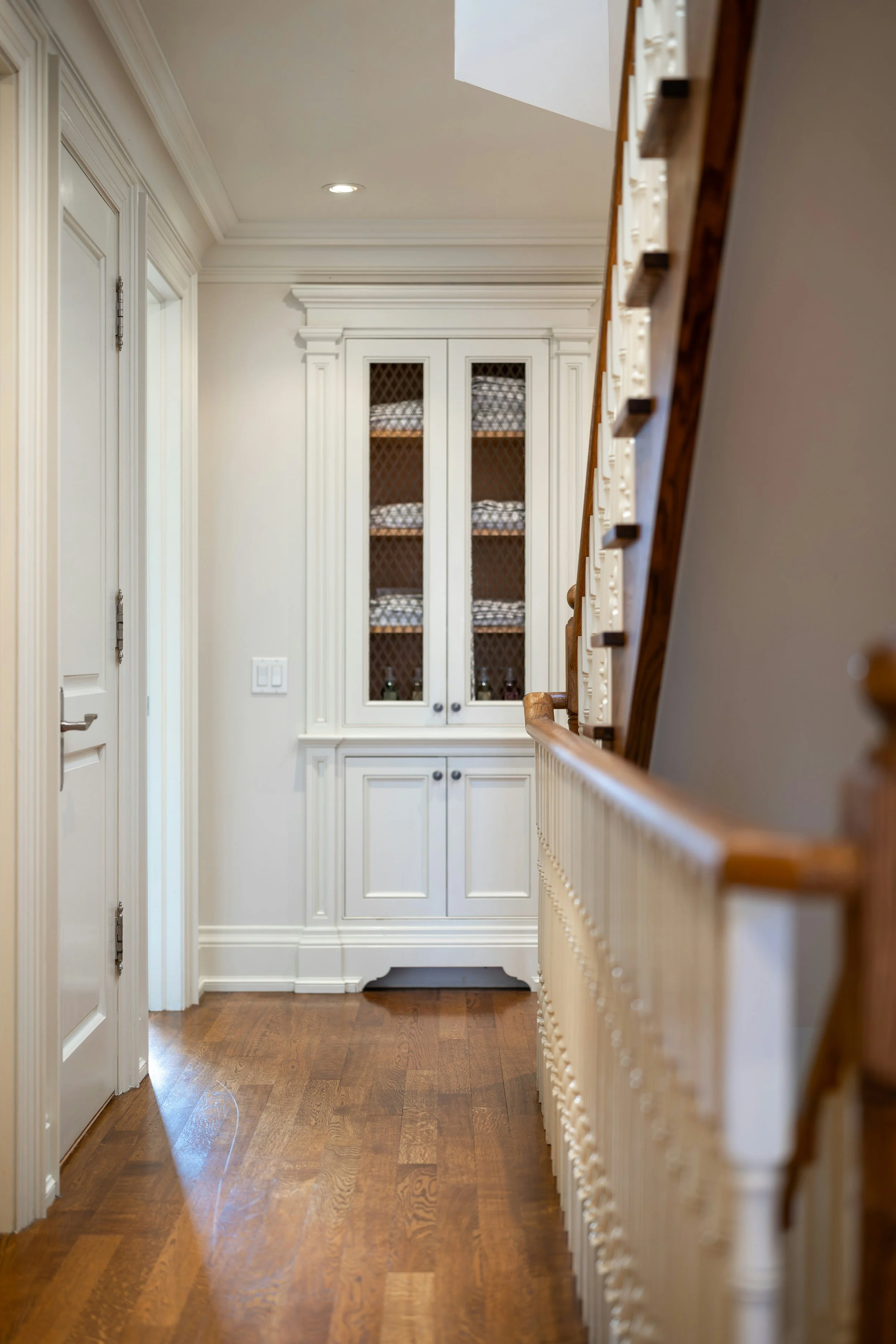
How To: Keep it Cohesive Throughout
How to Find Your Interior Design Style: A Classic Guide to Creating a Home You Love
Finding your interior design style can feel overwhelming, especially with so many beautiful options available. But the key to creating a home that feels truly you is to focus on what you love—not just what’s trending.
As an interior designer with a love for timeless, classic spaces, I believe every home should reflect both elegance and personality. Whether you're furnishing a new home or refreshing a room, here’s a thoughtful guide to help you uncover your signature interior design style.
1. Start with Your Inspiration
Look at what consistently catches your eye. Pull together images from Pinterest, Instagram, magazines, or even favorite hotels or historical homes. Ask yourself:
Are you drawn to symmetry and structure?
Do you love soft, neutral palettes or bold, saturated colors?
Are there certain materials—like wood, marble, brass, or linen—you keep gravitating toward?
Create a mood board or folder where you can start to see patterns emerge.
2. Audit Your Closet (Yes, Really!)
Your wardrobe often reflects your design style. Are your go-to pieces tailored and timeless? Do you favor natural textures like cotton, wool, or leather? The colors, patterns, and silhouettes you wear can offer unexpected insights into your aesthetic preferences.
3. Define How You Want Your Home to Feel
Design isn’t just about how your home looks—it’s about how it feels to live in it. Ask yourself:
Do you want your home to feel serene and sophisticated?
Comfortable and inviting?
Polished with a sense of history?
The mood you’re trying to create will help determine the direction of your style.
4. Identify Your “Forever Pieces”
Think about the furniture or decor you’ve owned the longest or loved the most. Chances are, those pieces reflect your enduring tastes. Whether it’s a French bergère chair, an antique dresser, or a classic blue-and-white ginger jar, these treasures help anchor your style.
5. Know the Design Vocabulary
Understanding the general language of interior styles can be helpful. You might relate to one of these classic styles:
Traditional – Elegant, timeless, and formal. Think antiques, symmetry, and layered textures.
Transitional – A blend of traditional and modern. Clean lines with classic touches.
Modern Classic – Sleek with a historical nod. Neutral palettes, refined finishes, and a less-is-more mindset.
You don’t have to fit into a single category, but knowing the terminology can help guide decisions and conversations.
6. Experiment Slowly
Start small—refresh a vignette on a console, swap out throw pillows, or restyle your shelves. Living with subtle changes lets you fine-tune your taste and make sure your style feels right in your space.
7. Trust Your Gut
Timeless design isn’t about chasing perfection or copying a Pinterest board. It’s about trusting your instincts and choosing pieces that speak to you. If you love it, it will never be out of style.
Final Thoughts
Discovering your interior design style is a journey, not a destination. As you evolve, your home will too—and that’s a beautiful thing. Whether your style leans fully traditional or mixes in some modern charm, the goal is to create a space that feels warm, welcoming, and uniquely yours.
Need help pulling it all together? I’d love to work with you to design a home that reflects your personal style with timeless elegance.
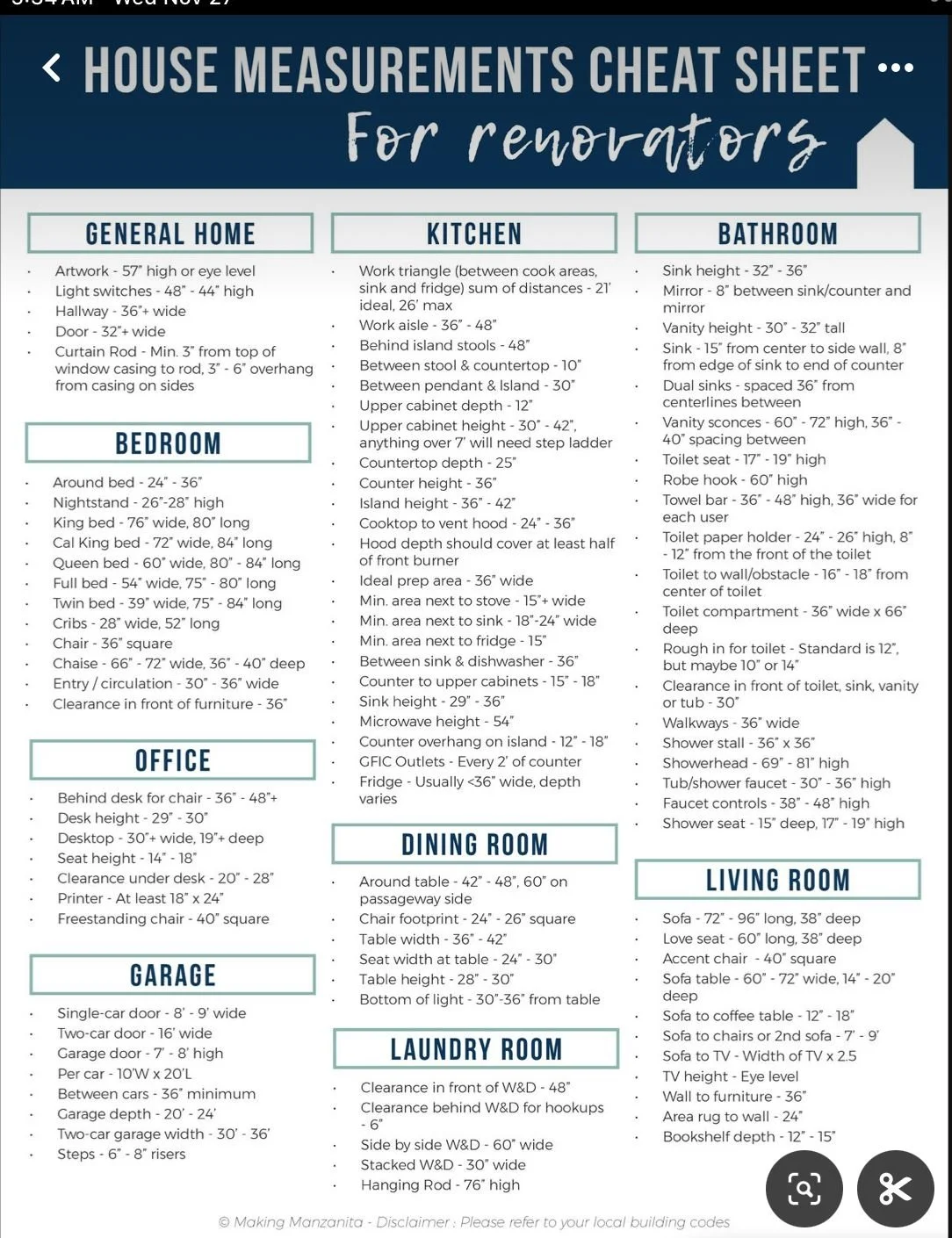
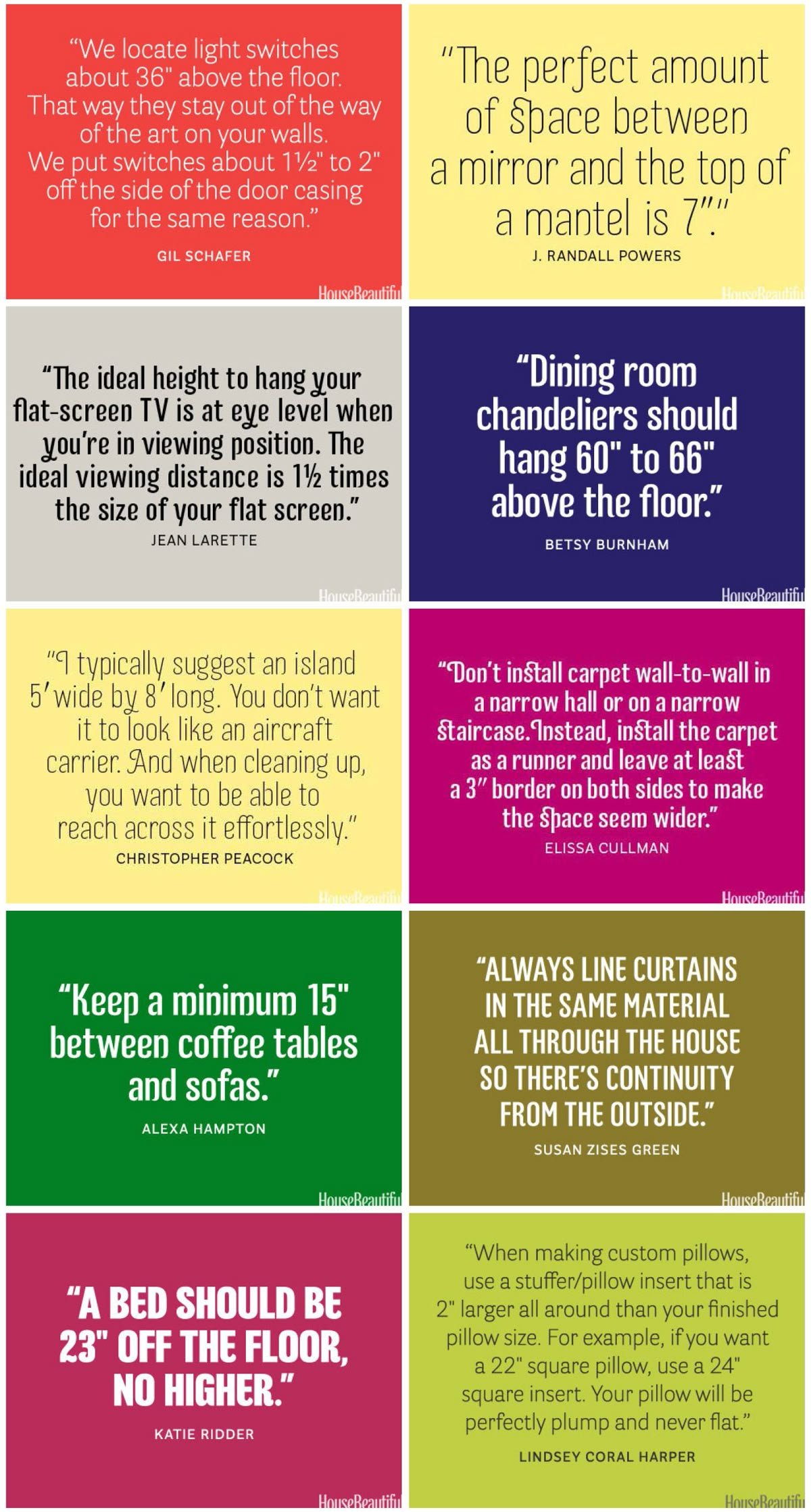
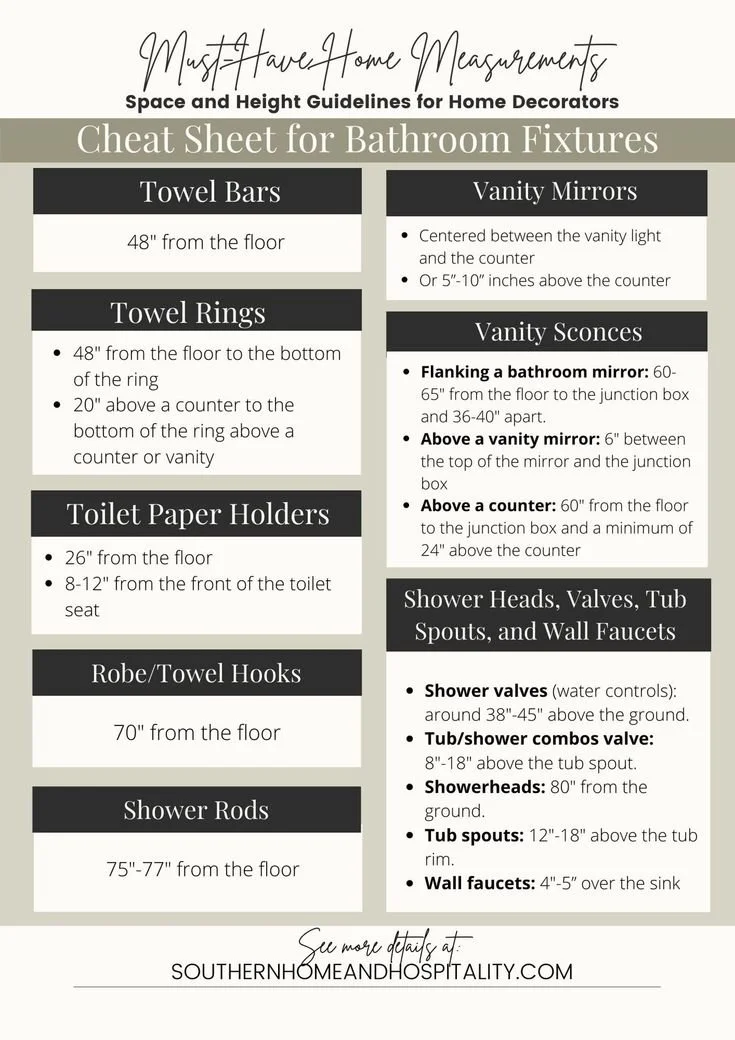
Key Design Concepts
1) Who is this homeowner, and 2) How do they want to live? In other words: Who do you live with and how do you all spend your time? How much space do you have and how does it make sense to allocate that space based on your lifestyle?
https://www.chairish.com/blog/rita-konigs-rules-of-decorating/?guid=zl1ary
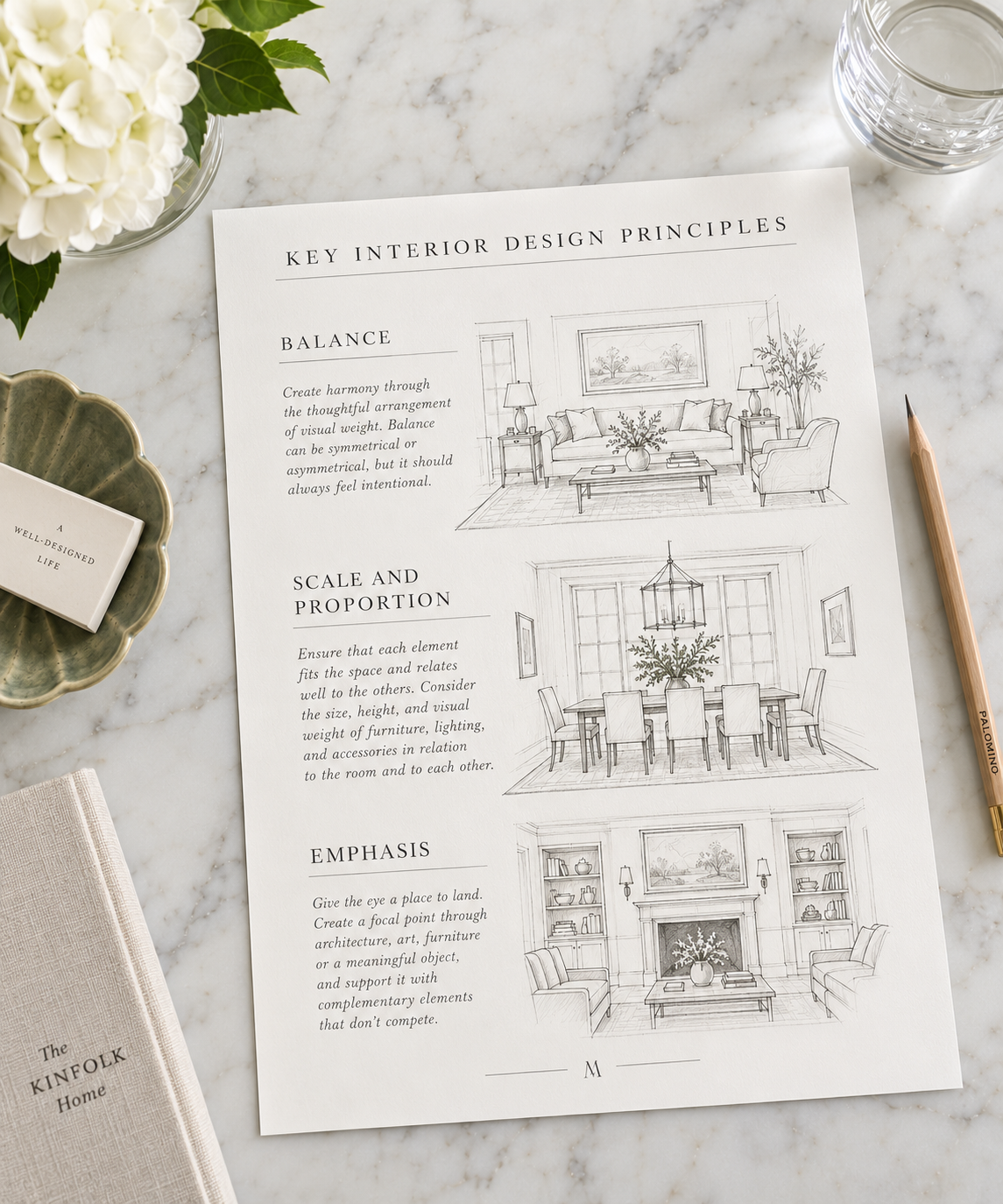
The core principles of interior design are guidelines for creating beautiful, functional spaces, commonly listed as Balance, Harmony/Unity, Rhythm, Emphasis, Proportion & Scale, Contrast, and Details. These principles help arrange elements like color, texture, and furniture to achieve visual stability, flow, and interest, ensuring the room feels cohesive, serves its purpose, and reflects personality.
The 7 Key Principles:
Balance: Achieves visual stability, either symmetrically (mirror images) or asymmetrically (different objects with equal visual weight).
Harmony/Unity: Creates a sense of belonging, making all elements feel connected and cohesive through consistent style, color, or texture.
Rhythm: Guides the eye through a space using repetition, pattern, or color, creating flow and movement.
Emphasis: Establishes a focal point, drawing attention to a key feature like a statement piece or accent wall.
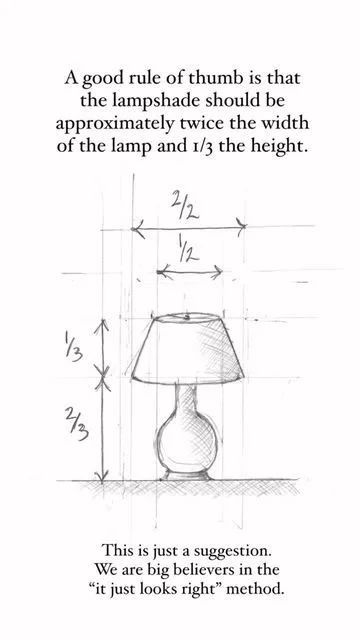
Proportion & Scale: Relates the size of objects to each other and to the room, preventing items from looking too large or too small.
Contrast: Adds visual interest by pairing opposing elements, such as dark with light, or rough with smooth textures.
Details: The finishing touches—accessories, hardware, and decor—that complete the space and add personality.
How They Work Together:
These principles, combined with design elements (like color, line, texture, form, light, and pattern), provide a framework for designers to create spaces that are both functional and aesthetically pleasing.
Applying them results in interiors that feel intentional, peaceful, and well-put-together, regardless of individual style
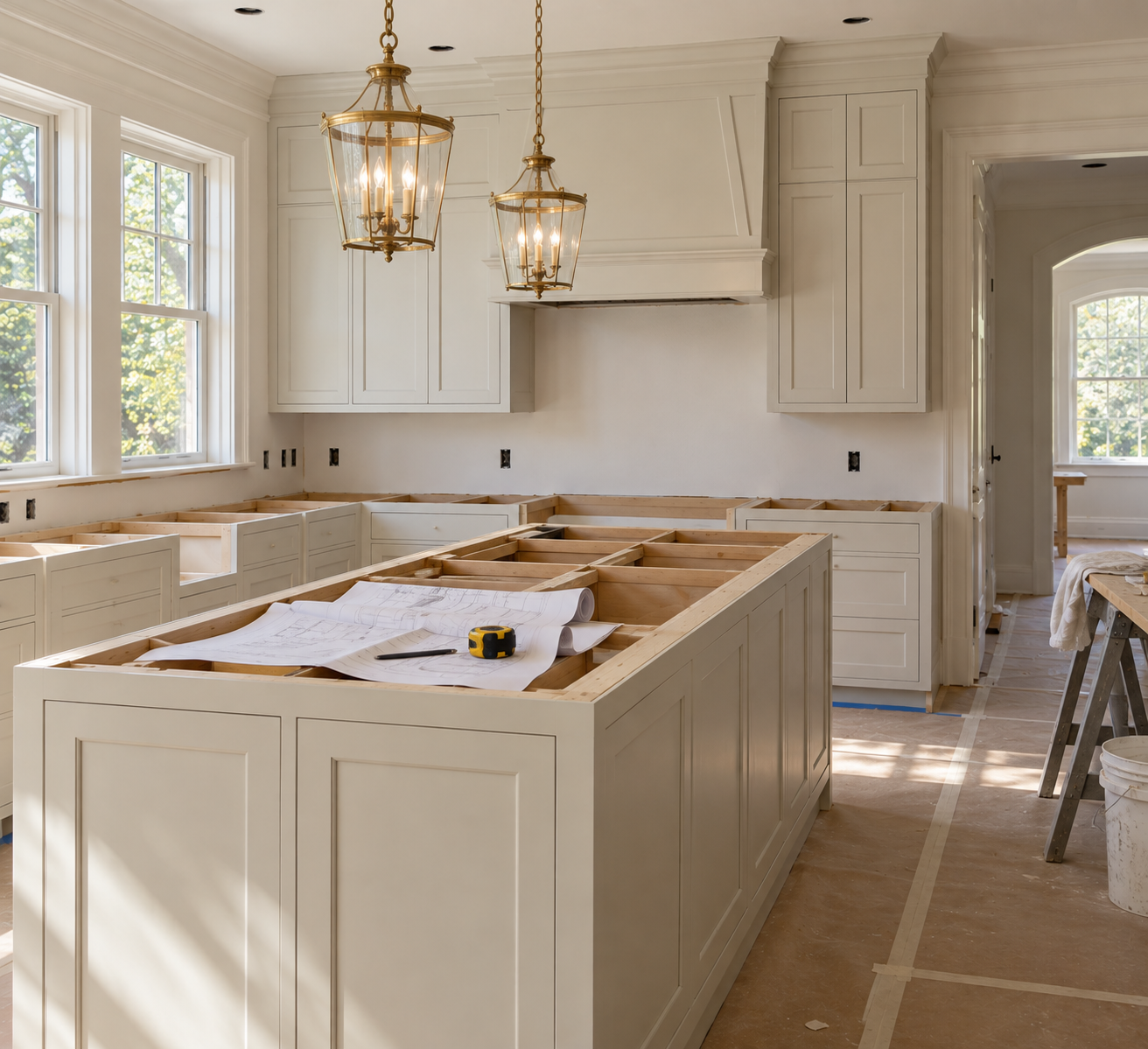
Renovating: Kitchen
https://www.housebeautiful.com/home-remodeling/renovation/a64125936/kitchen-renovation-checklist/
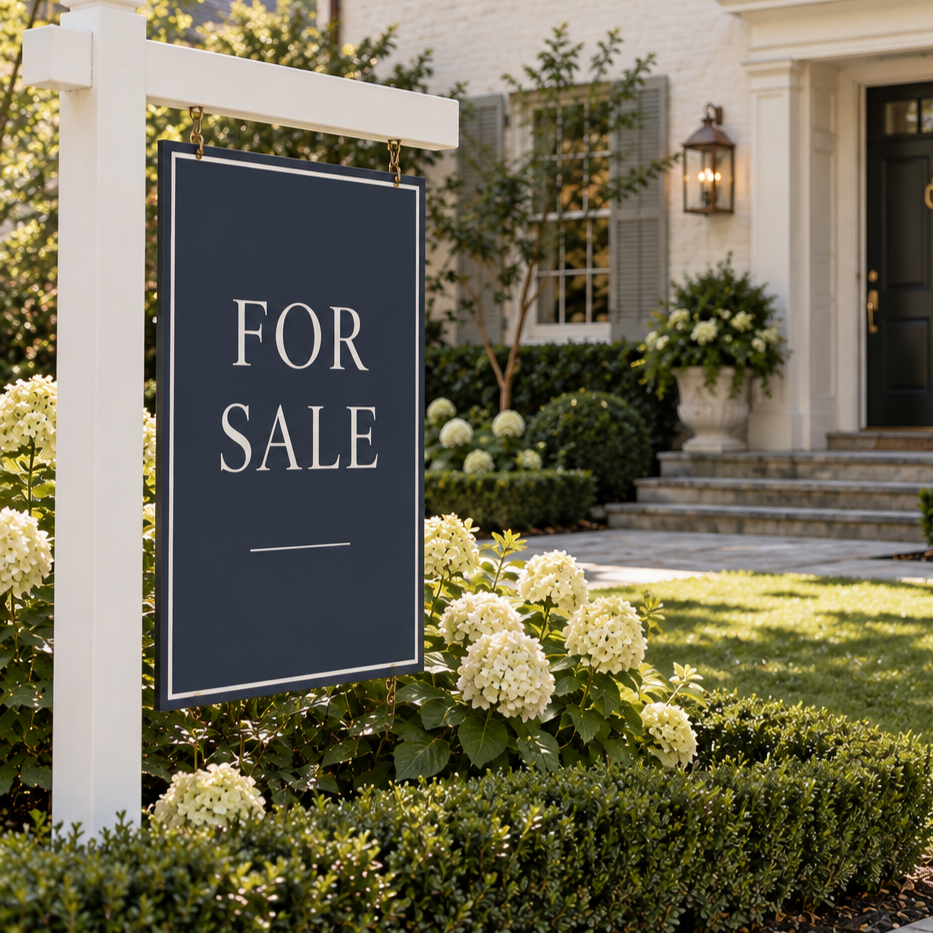
Preparing To Sell
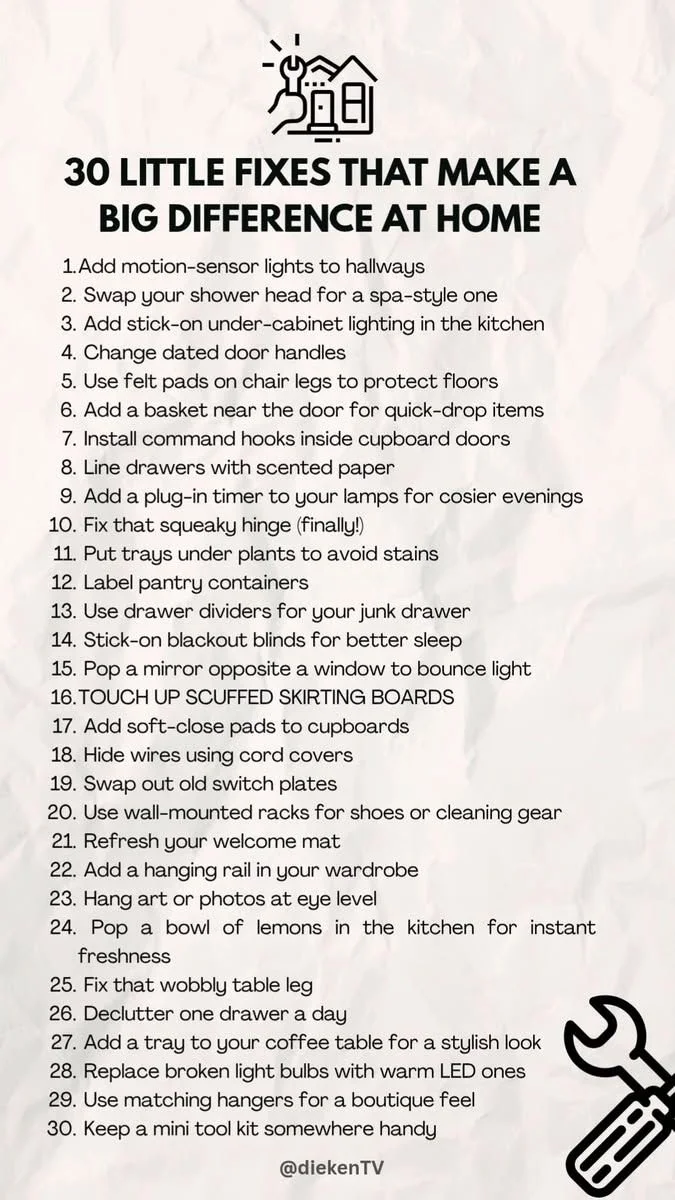
You should be prepping your house to sell—once a year. 🏡✨
Not because you are selling… but because your home deserves to feel that good for you.
We tend to save the clean, peaceful, simplified version of our home for when we’re leaving it. But what if we stopped waiting? What if we made that our baseline?
Every year, I go through my home like a potential buyer is coming—and I’m not doing it for anyone else. I’m doing it for me. For my family. For the version of home that feels clear, calm, and easy to live in.
Here’s how to do it 👇
Once a year, walk through your home and:
1. Declutter every drawer, surface, and closet like you’re about to have an open house
2. Fix the little things you’ve been ignoring (door handles, scuffed baseboards, wobbly shelves)
3. Deep clean the spots you normally skip (vents, light switches, trim, windowsills)
4. Touch up paint or refresh your walls
5. Re-style or simplify spaces to feel lighter and more livable
6. Walk your home like a buyer—does anything feel chaotic, crowded, or forgotten?
The result?
✅ Less to clean
✅ Less visual noise
✅ A space that works for you
✅ And a home you love being in—not one you dream of escaping
You don’t need to move to create a home that feels like a fresh start.
Just treat it like it matters. Every year. 💛
✨ Save this post if you’re craving that “move-in ready” feeling again.
✨ Follow for more simple routines that help you love your home again.
Slow Design
The Art of Slow Design: Creating a Fresh Yet Classic Home
In a world driven by fast trends and instant gratification, slow design is a welcome return to thoughtful living. As an interior designer with a love for timeless, classic interiors, I believe that the best spaces are not only beautiful but also intentional—layered over time with meaning, purpose, and soul.
If you're seeking a home that feels fresh yet enduring, here's why embracing slow design is key—and how to do it gracefully.
What Is Slow Design?
Slow design is the intentional, mindful approach to creating a space that evolves over time. It values quality over quantity, craftsmanship over convenience, and personalization over perfection. It’s about designing with patience—letting your space tell your story rather than chasing fleeting trends.
Why Slow Design Matters in a Classic Home
1. Timelessness Doesn’t Happen Overnight
A classic home is never “done” in a weekend. It’s built layer by layer, with each piece contributing to a larger narrative. Slow design ensures that what you choose today will still feel right years from now.
2. Quality Over Quick Fixes
When you slow down, you make space for investing in materials, furnishings, and finishes that last. Think solid wood, hand-thrown ceramics, tailored upholstery—pieces with longevity, beauty, and integrity.
3. Emotional Connection
The most cherished rooms are those filled with personal meaning. Whether it’s your grandmother’s mirror, an antique market find, or a custom-built bookcase, slow design celebrates the personal and the collected—not the mass-produced.
4. Sustainability and Stewardship
Slow design aligns beautifully with sustainable living. Choosing fewer, better things reduces waste and honors the craftsmanship behind every piece. It’s an eco-conscious approach that feels as good as it looks.
How to Embrace Slow Design in Your Own Home
1. Start with the Bones
Focus first on the foundational elements: architectural details, paint, flooring, and lighting. These set the tone for a timeless space. Think classic millwork, neutral palettes, and natural materials.
2. Buy Once, Buy Well
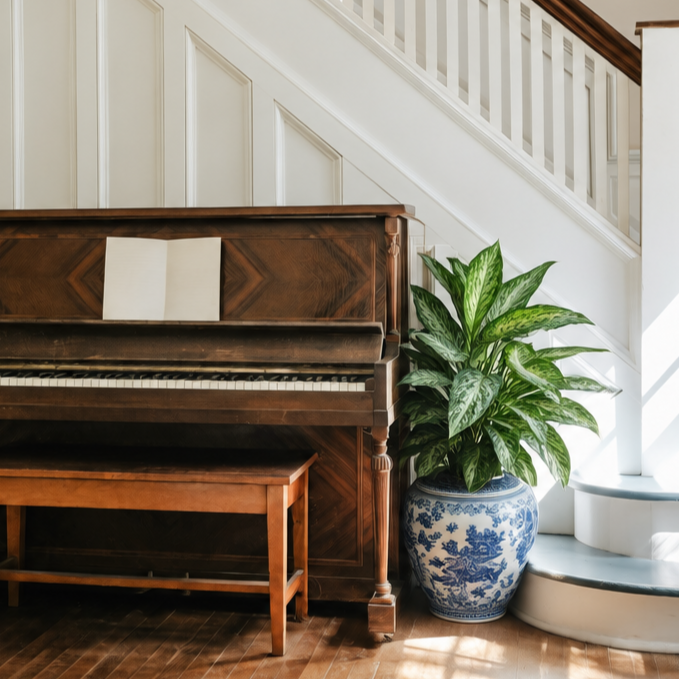
Instead of furnishing everything at once, be selective. Choose investment pieces—like a well-made sofa or heirloom-quality dining table—and allow your space to grow around them.
3. Mix Old and New
Blend antiques or vintage items with more contemporary pieces to create depth and dimension. The tension between old and new keeps a room feeling both grounded and fresh.
4. Layer with Intention
Add textiles, art, and accessories slowly. Let your travels, experiences, and passions guide your selections. These finishing touches are what make a space feel uniquely yours.
5. Be Patient
The hardest part of slow design? Waiting. But trust the process. A timeless home isn’t a project with a deadline—it’s a life lived beautifully, one layer at a time.
Final Thoughts
Slow design isn’t about perfection. It’s about presence. It’s about living in a home that reflects your values, your story, and your style—one thoughtful choice at a time.
If you're drawn to spaces that feel collected rather than decorated, rich in character rather than clutter, slow design is your kindred spirit. And when done well, it yields a home that’s not only timeless but deeply personal.
Incorporating Heirlooms
How to Incorporate Timeless Pieces into a Fresh-Classic Space
Blending Heirlooms, Antiques & Modern Classics for a Collected Look
There’s something uniquely soulful about a home that tells a story—one where a grandmother’s silver tea set rests gracefully on a sleek console, or a patinaed wood chest finds new life in a light-filled bedroom. As an interior designer who values a timeless aesthetic, I believe that a room isn’t truly beautiful until it has layers—of history, of personality, and of pieces that matter.
Whether you’ve inherited family heirlooms or picked up a few antique treasures over time, here’s how to thoughtfully weave those timeless elements into a space that feels both fresh and classically grounded.
1. Start with a Balanced Foundation
The key to mixing old and new is contrast and restraint. Begin with a fresh canvas: light walls, tailored upholstery, clean-lined case goods. These quiet backdrops allow your heirloom or antique pieces to stand out instead of compete.
Tip: Neutrals work wonders here—think creamy whites, soft taupes, pale grays, or classic navy. They give breathing room to vintage wood tones, aged brass, and rich textures.
2. Edit with Intention
Not every piece needs to make the cut. If you’ve inherited multiple antiques or have a collection of vintage finds, choose the ones that speak to your style and complement your space. A single meaningful item often has more impact than a room full of “old things.”
Ask yourself: Does this piece add warmth, history, or craftsmanship to the room? If yes, find a place of honor for it.
3. Mix Eras for Depth
The most charming interiors rarely stick to one period. Pair a gilded mirror with a modern lacquered console. Let an antique Persian rug ground a streamlined linen sofa. Layering different design eras creates a curated, evolved look—as if your home has grown beautifully over time.
Design rule: Maintain visual harmony through repeated tones (like warm woods or soft metals) and textures, even if the styles differ.
4. Reimagine Function
Don’t be afraid to give antiques new purpose. A vintage secretary can become a chic bar cabinet. An old armoire might serve as a stylish linen closet. Even a collection of silver platters can be transformed into unexpected wall art.
This flexibility breathes new life into heirlooms, making them more usable and relevant to your lifestyle.
5. Honor the Patina
Imperfections tell a story. A scratch on a century-old table or a bit of fading on a beloved armchair doesn’t diminish its beauty—it enhances it. Embrace the signs of age as part of the piece’s charm. They offer texture and character that new items simply can’t replicate.
6. Add Fresh Accents
Balance the traditional with crisp, clean elements. Think: modern lighting, tailored drapery, minimalist art, or fresh greenery. These touches keep the space from feeling dated or overly formal, allowing your timeless pieces to shine without weighing the room down.
7. Tell the Story
If you’re incorporating heirlooms, make space for storytelling. Whether it’s a framed photo of the piece in its original home, or a small handwritten note tucked in a drawer, these personal touches remind you—and your guests—why these objects matter.
Final Thoughts
Designing with antiques and heirlooms isn’t about recreating the past—it’s about layering it thoughtfully into the present. When done right, these pieces become anchors of meaning in your home. They offer a sense of permanence in a world that’s constantly changing—and that’s the very definition of timeless.
Painting
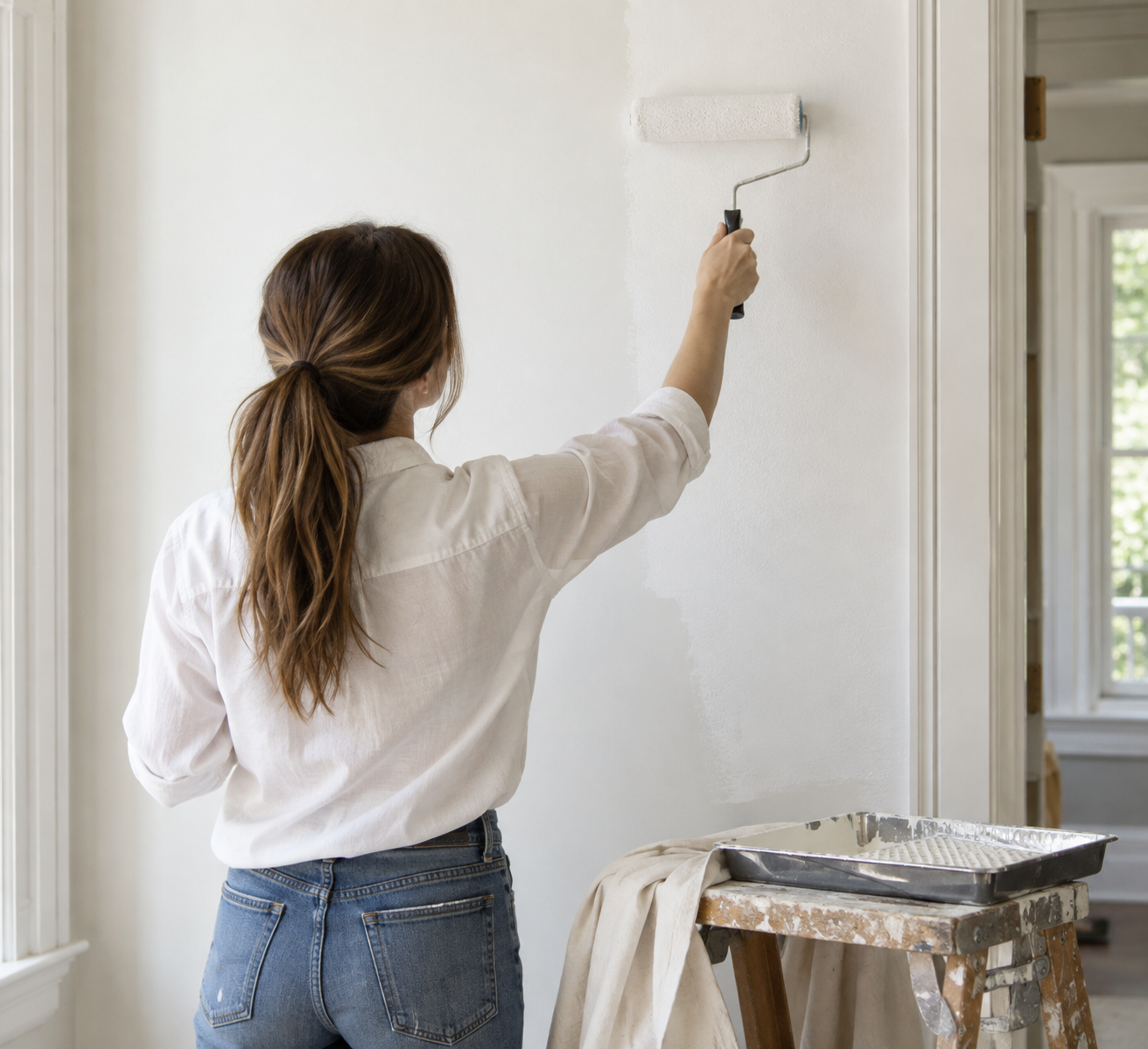
There’s more to paint than color. Here’s all you need to know about sheen, product types and brand.
If you've managed to successfully select paint colors, now you're on to the technical part: brand, product line or type, and sheen. Your painter may make recommendations on all the above, but be cautious as he or she may favor the path of least resistance. If you want it done well and done right, then here's all you need to know.
WHICH BRAND TO USE
We prefer Benjamin Moore colors, but our painters seem to favor Sherwin Williams paints. Good news: most paint colors are custom mixed by computer (much like ink in a printer), which means any paint shop can easily custom-match another brand's color to the paint brand they carry. Just be sure you have the brand and color number. There are many options (and, of course, more expensive ones with boutique labeling), the quality of Sherwin Williams' paints has proven itself time and again. Note: many designers, painters and paint companies will tell you that using one brand's color and another's paint will not yield in a perfect color match. We have not found this to be an issue.
WHICH PRODUCT TYPE TO USE
Above coverage, ease of use, and perceived quality, it's important to select a paint line that rated low (or, better yet, zero) for volatile organic compounds, or VOCs. According to Consumer Reports, "VOCs are solvents that get released into the air as the paint dries. VOCs can cause acute symptoms, including headaches and dizziness. The long-term effects are less certain, but according to the U.S. Environmental Protection Agency, some VOCs are suspected carcinogens." All the major paint lines now have low VOC options that are, surprisingly, not much more expensive than their more toxic counterparts.
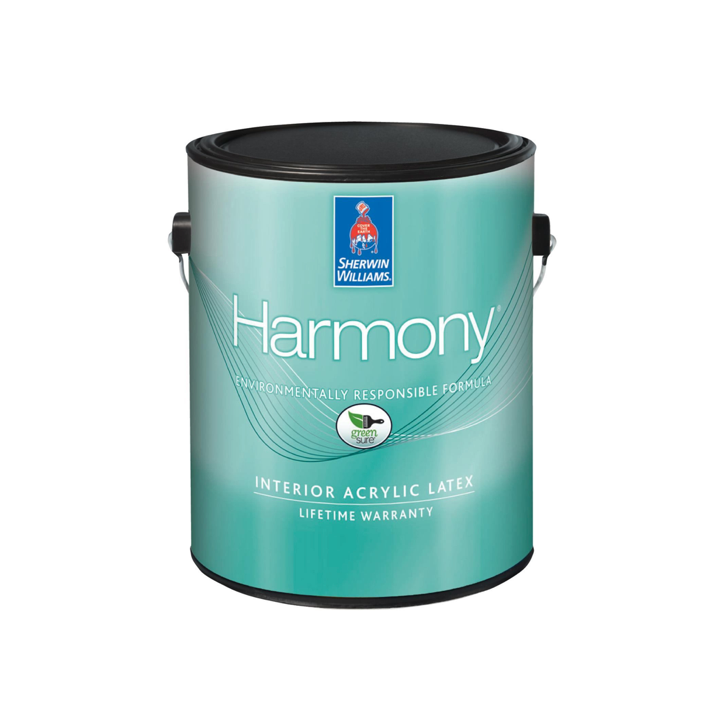
Mary recently used Sherwin Williams' Harmony line in her home, which is "zero VOC" formula and loves it. "No icky fumes while painting and it has held up beautifully."
WHICH SHEEN TO USE
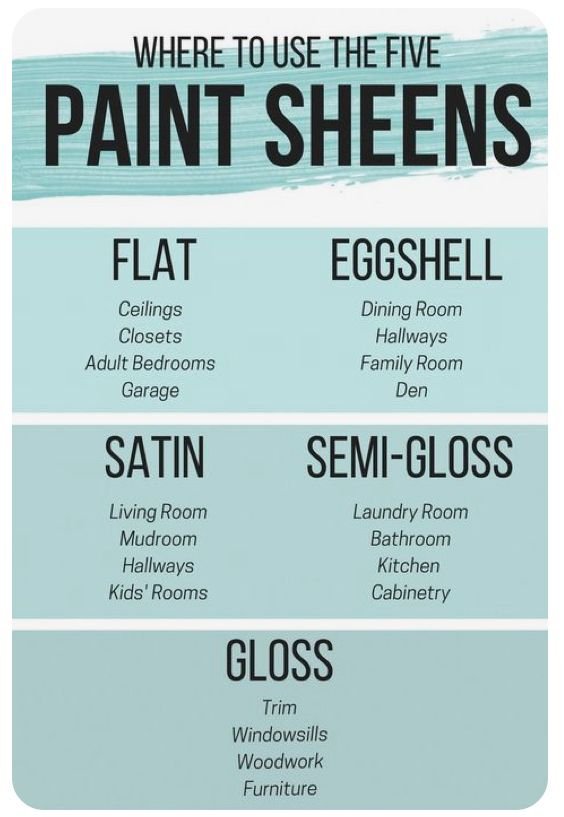
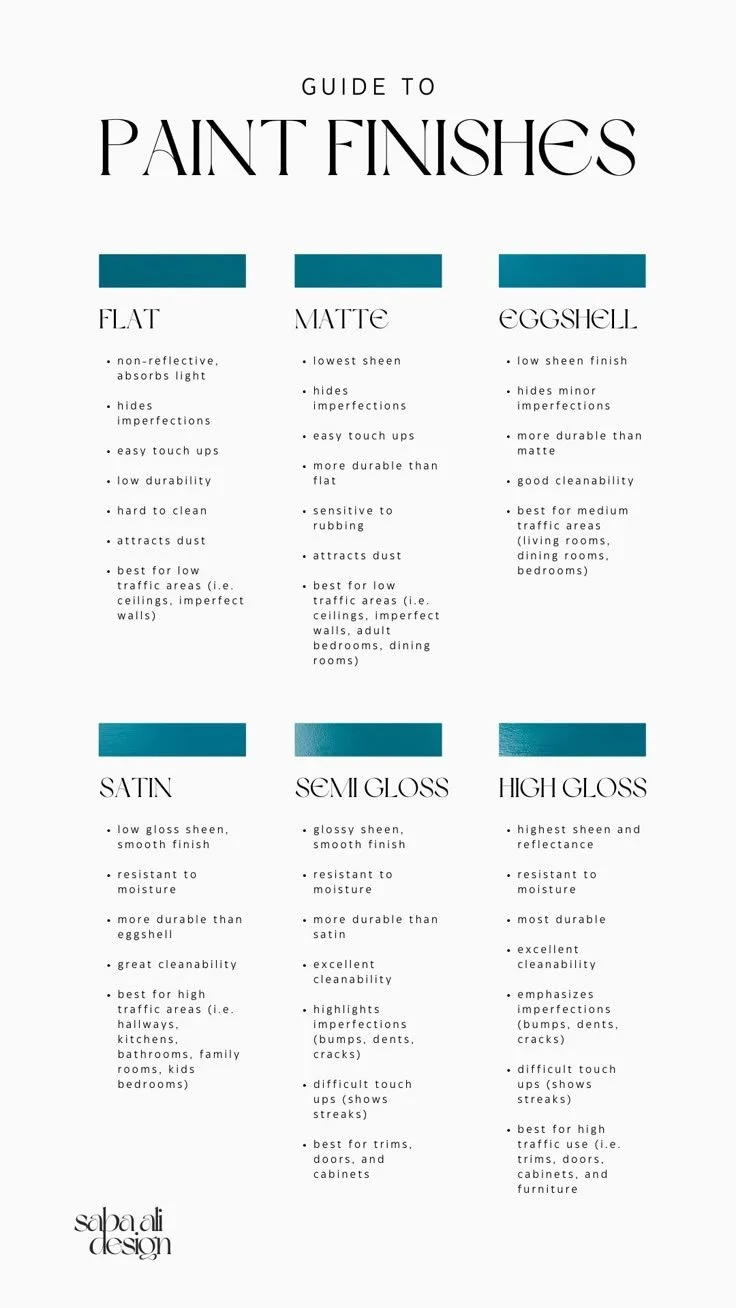
Flat, matte and eggshell sheens are best suited for low-traffic areas or walls with imperfections. These are tougher to clean than their glossier counterparts and are therefore used on ceilings and in dining rooms, bedrooms and home offices (if at all).
Satin sheen is our go-to for walls throughout the home. It is very can be easily wiped clean, softly reflects light and is forgiving in revealing wall flaws.
Semi-gloss is preferred for trim work and doors. It is easy to clean and reflects light for a smooth, polished finish.
Gloss provides a high-shine finish that is perfect for furniture, cabinetry or other surfaces that will be frequently wiped.
HOW TO APPLY
Tape & Caulk
Paint Immediately
Pull off tape immediately
(Keep a wet edge)