Winter is a season for protecting the home from the elements, monitoring its systems, and tending to the small details that keep everything running smoothly.
While fall maintenance focuses on preparation, winter maintenance is largely about observation and prevention. Freezing temperatures, snow, ice, dry indoor air, and increased use of heating systems can expose problems that might otherwise go unnoticed.
A thoughtful winter maintenance routine doesn't need to be complicated. Regular inspections, a few seasonal housekeeping tasks, and prompt attention to small issues can help prevent costly repairs and keep your home comfortable throughout the colder months.
At a Glance
Early Winter — Confirm & Prepare: Inspect weatherstripping, test alarms, check heating performance, review emergency supplies, inspect vulnerable plumbing, and prepare snow-removal equipment.
Throughout Winter — Monitor & Maintain: Check HVAC filters, indoor humidity, plumbing, fireplace safety, exterior drainage, and snow accumulation. Inspect the attic and basement periodically.
After Significant Storms — Inspect & Address: Clear walkways and vents, inspect the roof from the ground, check trees for damage, monitor ice buildup, and ensure meltwater drains away from the house.
Late Winter — Assess & Plan: Document winter damage, identify repairs for spring, review utility costs, evaluate insulation or air-sealing needs, and update maintenance records.
“While fall maintenance focuses on preparation, winter maintenance is largely about observation and prevention.”
01 / Protect the Roof, Gutters & Exterior
Winter weather can be particularly hard on a home's exterior. Snow, ice, wind, and repeated freeze-thaw cycles can turn minor vulnerabilities into more significant problems.
Inspect the roof after significant winter weather. From the ground, look for missing or damaged shingles, displaced flashing, unusual snow accumulation, or visible damage from fallen branches. Pay particular attention to ice dams, which can form when snow melts on warmer portions of the roof and refreezes near the eaves. Ice dams can prevent proper drainage and allow water to work its way beneath roofing materials.
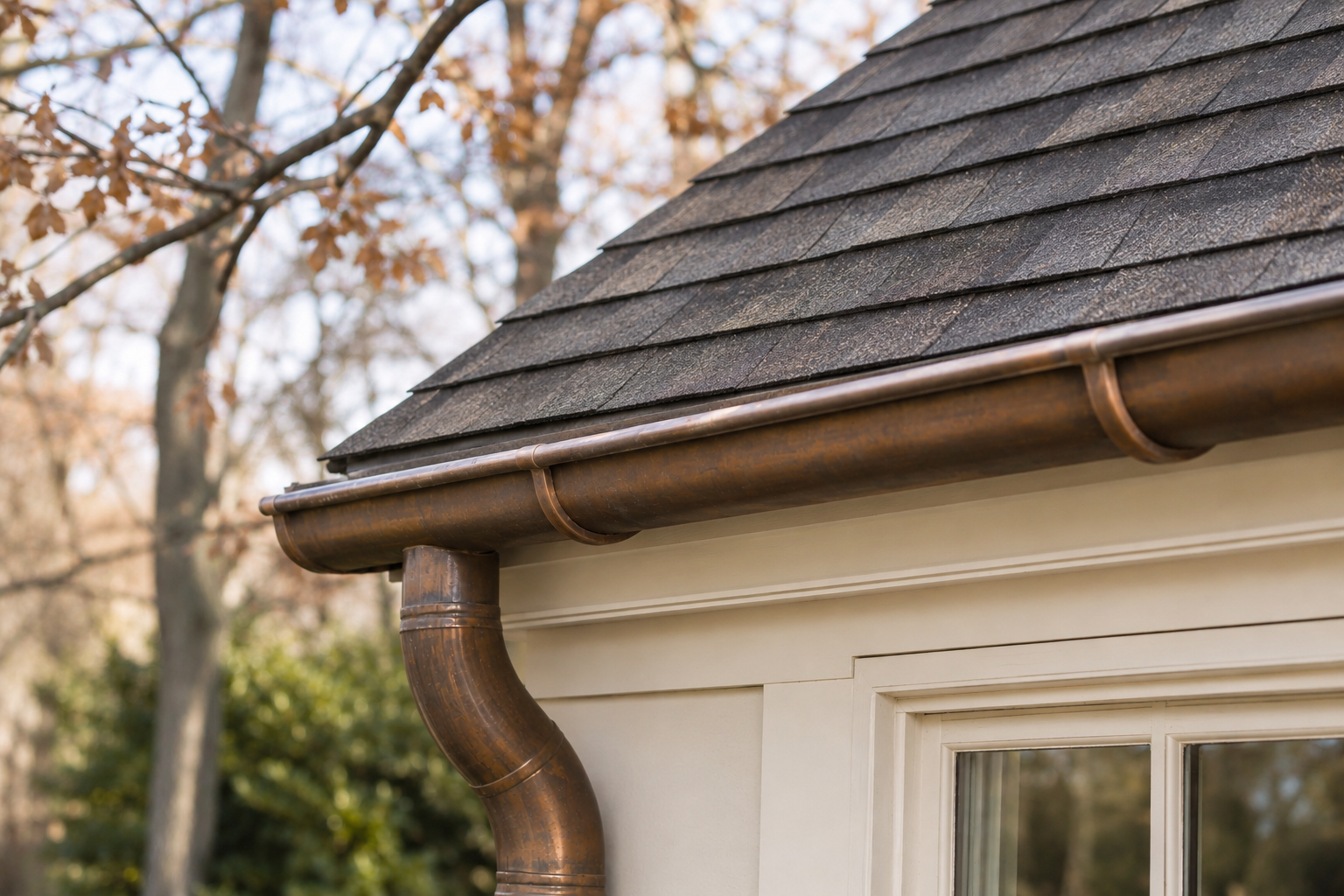
Keep gutters and downspouts functioning. Gutters should have been cleared in the fall, but check periodically for ice buildup, blockages, or downspouts that have become disconnected. Ensure melting snow is directed away from the foundation.
Monitor exterior surfaces. Look for new cracks in masonry, deteriorating caulk, loose siding, or water staining around windows and doors. Small changes are worth documenting, even if repairs must wait for warmer weather.
Pro Tip: Icicles are not necessarily evidence of an ice dam, but repeated ice buildup along the same roofline deserves investigation. The underlying problem may involve attic air leakage, insulation, ventilation, or roof design—not simply clogged gutters.
02 / Manage Snow, Ice & Drainage
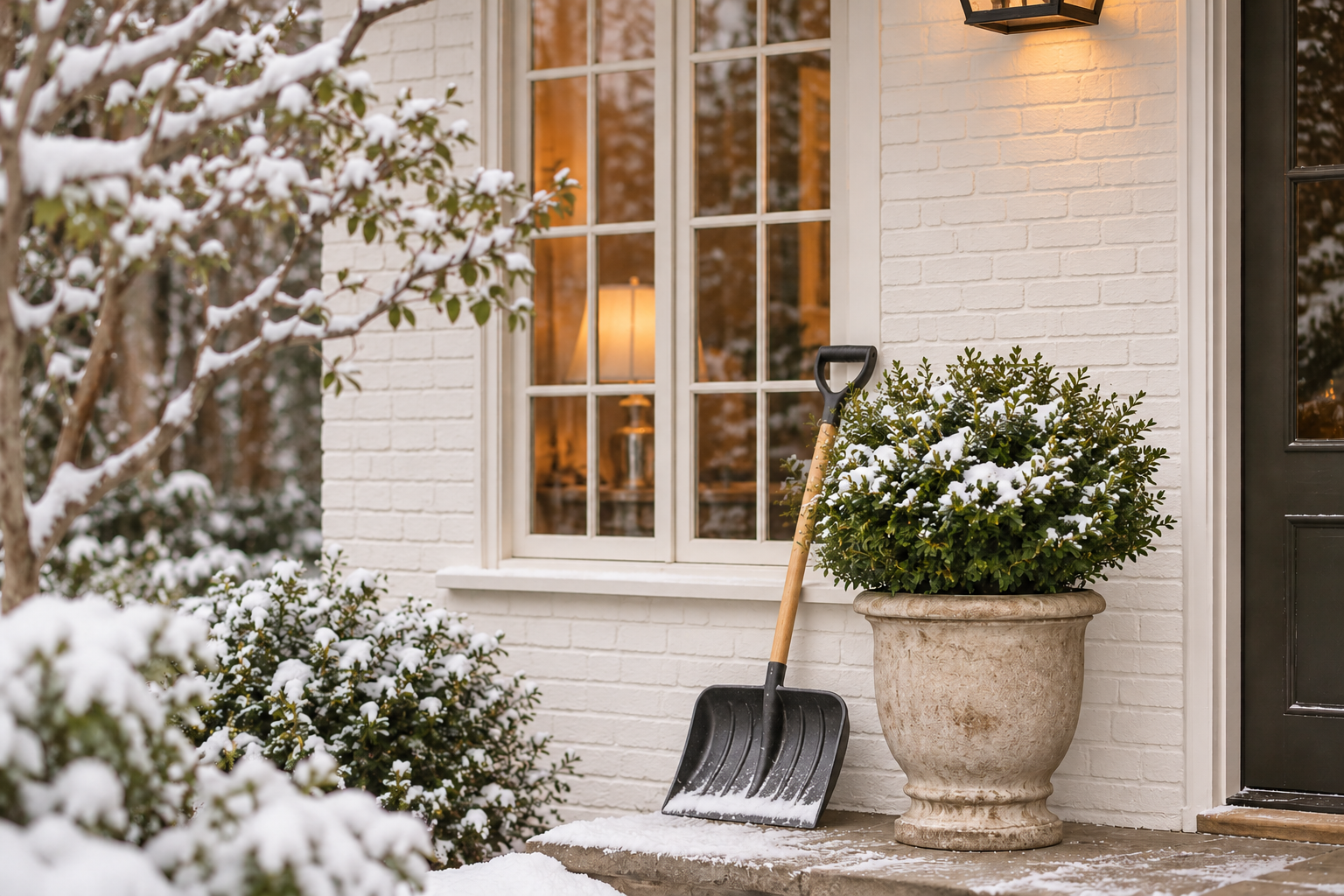
Snow removal is about protecting people, landscaping, hardscaping, and the house itself.
Clear walkways, stairs, and entrances promptly, before it becomes compacted and icy. Pay particular attention to shaded areas, steps, and frequently used entrances.
Choose ice-melting products appropriate for your paving materials, landscaping, and pets. Even products marketed as pet-friendly may require precautions.
Avoid piling snow near vulnerable areas such as exterior doors, siding, foundation vents, or basement window wells. Keep furnace and water-heater exhaust outlets, combustion-air intakes, and other mechanical vents clear.
As temperatures rise, make sure meltwater drains away from the foundation rather than collecting against the house or refreezing on walkways.
Check trees for broken, hanging, or damaged limbs after storms. Do not attempt to remove large branches or anything near electrical lines yourself.
Pro Tip: Avoid using metal tools or force to remove ice from roofing, gutters, or delicate exterior surfaces. Improper ice removal can cause more damage than the ice itself.
03 / Maintain the Heating System
Heating equipment works hardest during winter, making regular monitoring particularly important.
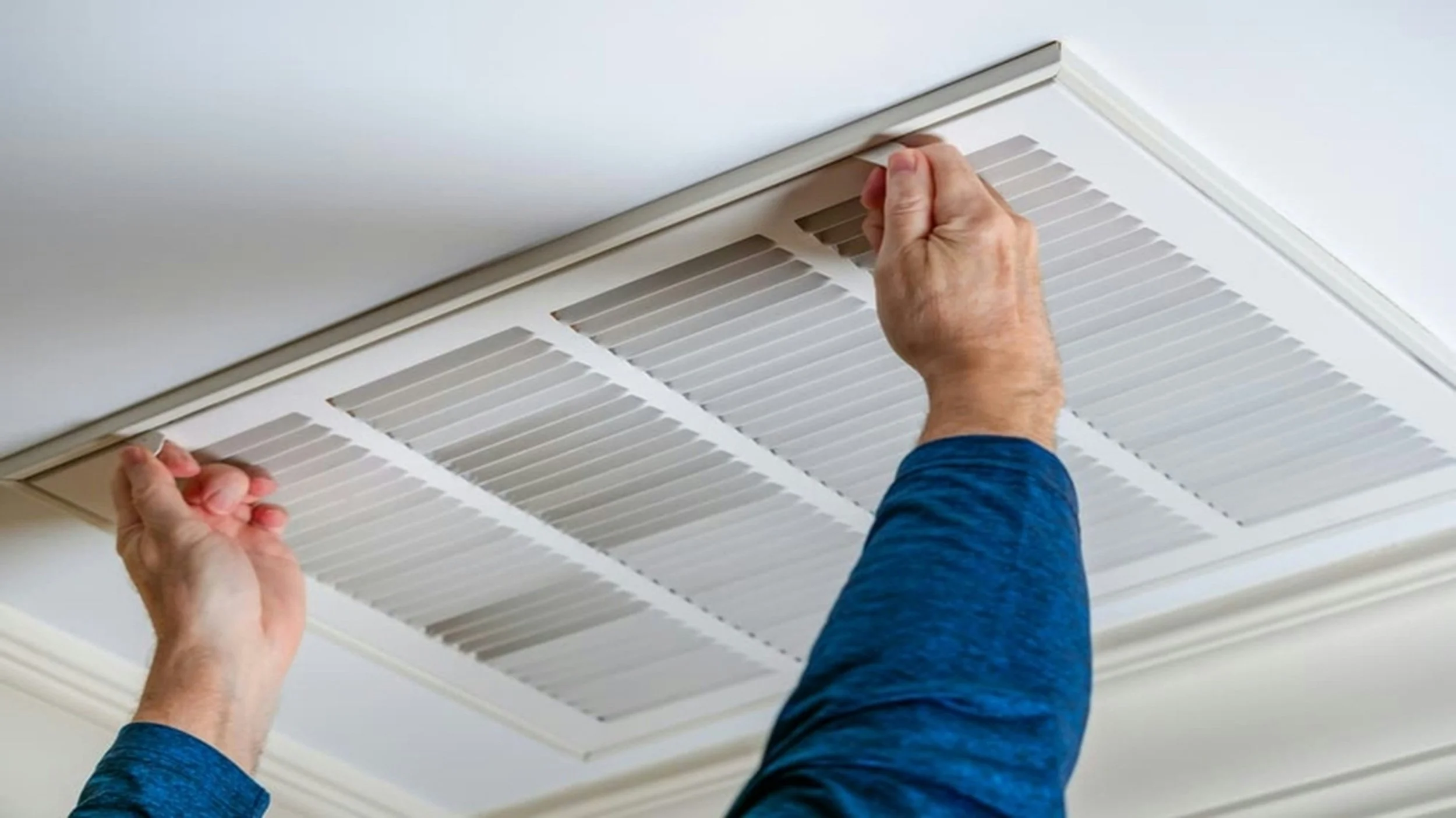
Inspect and replace/clean HVAC filters monthly during heavy-use periods. Filter replacement intervals vary with the system, filter type, household conditions, and usage.
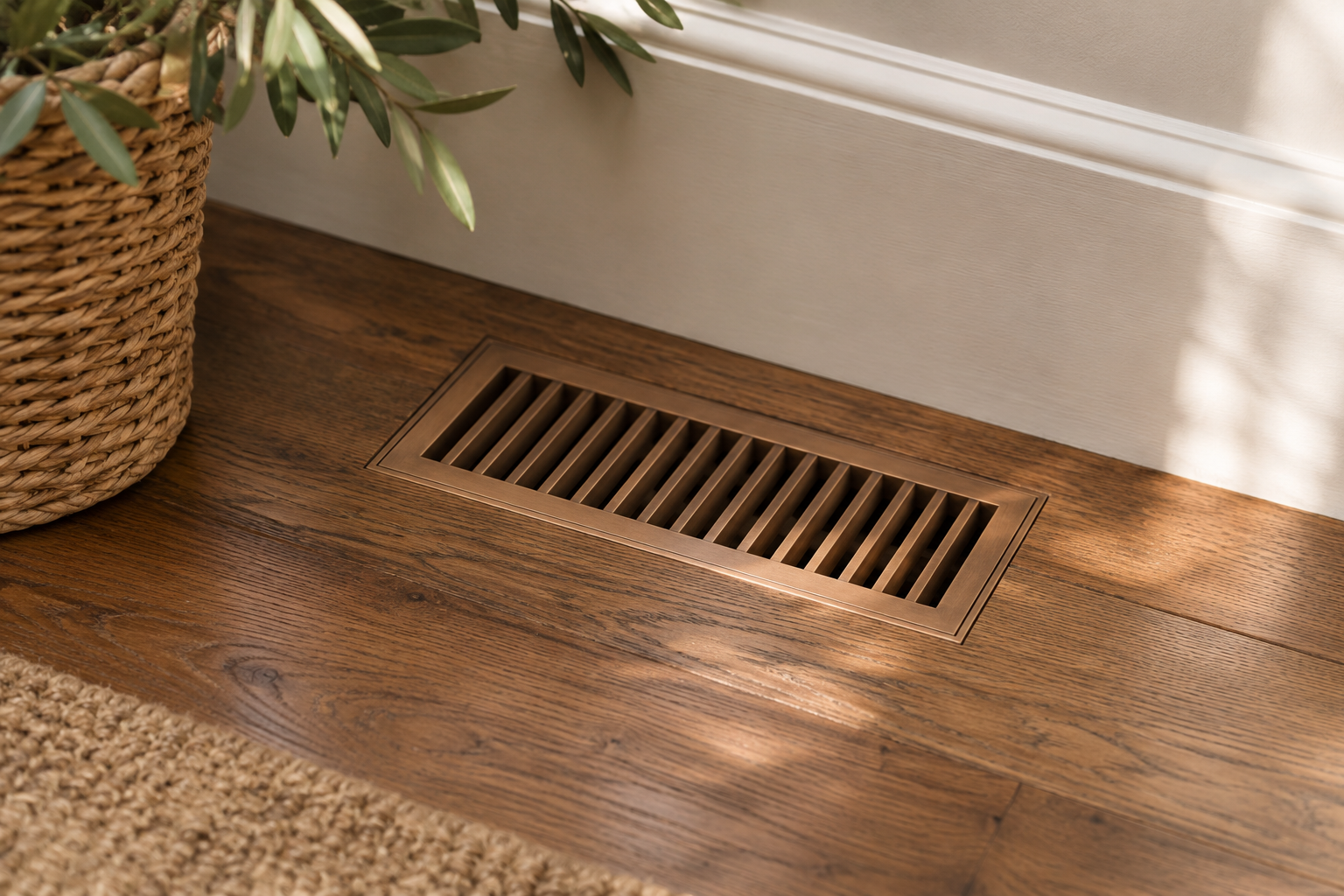
Keep registers and returns clear by vacuuming accessible vents and making sure furniture, rugs, and draperies aren't obstructing airflow.
Pay attention to unusual performance. Watch for rooms that aren't heating properly, unfamiliar noises, frequent cycling, or unexpected changes in utility bills. These can be early signs of equipment problems.
Program the thermostat to reflect your family's routine. If you'll be traveling, maintain sufficient heat (55-60 degrees) to protect plumbing while keeping energy bills low.
Maintain humidifiers. If your home has a whole-house humidifier, inspect and clean it according to the manufacturer's instructions. Replace evaporator pads or other components as recommended.
Pro Tip: Closing supply vents in unused rooms isn't necessarily an effective way to save energy and can interfere with a forced-air system's intended airflow. Consult an HVAC professional before making significant adjustments.
04 / Monitor Indoor Humidity & Air Quality
Winter brings a particular challenge: outdoor air is cold and dry, while indoor heating can make the house feel even drier. Maintaining appropriate humidity improves comfort and helps protect wood furniture, floors, and millwork.
Monitor indoor humidity. A hygrometer is an inexpensive way to keep track of conditions. Approximately 30–50% relative humidity is a commonly cited indoor range, but the appropriate winter level may need to be lower in cold climates to prevent condensation on windows and other cold surfaces.
Watch for condensation. Persistent moisture on windows, damp window sills, or condensation on exterior walls may indicate that indoor humidity is too high, ventilation is inadequate, or surfaces are unusually cold.
Use ventilation appropriately. Run bathroom exhaust fans, which should vent to the exterior, during and after showers, and use kitchen ventilation while cooking.
Maintain portable humidifiers. Empty, clean, and refill units according to the manufacturer's instructions. Avoid allowing water to sit in reservoirs for extended periods.
Pro Tip: More humidity isn't always better. If you're seeing condensation or frost on windows, reduce indoor humidity and investigate persistent moisture rather than automatically adding more.
05 / Protect Plumbing From Freezing
Frozen pipes can cause extensive damage, particularly in areas exposed to outdoor temperatures or poorly insulated spaces.
Pay attention to pipes in garages, crawlspaces, exterior walls, unheated basements, and cabinets against exterior walls. If your home has a sump pump, test it periodically and confirm the discharge line is protected from freezing.
Maintain adequate indoor temperatures (minimum of 55-60 degrees) by operating the heating system throughout the winter, even while you’re away.
During periods of extreme cold, open cabinet doors where appropriate to allow warm indoor air to reach vulnerable pipes. In some circumstances, allowing a small amount of water to run from a vulnerable faucet may help, but this is a temporary precaution rather than a substitute for insulation and proper winterization.
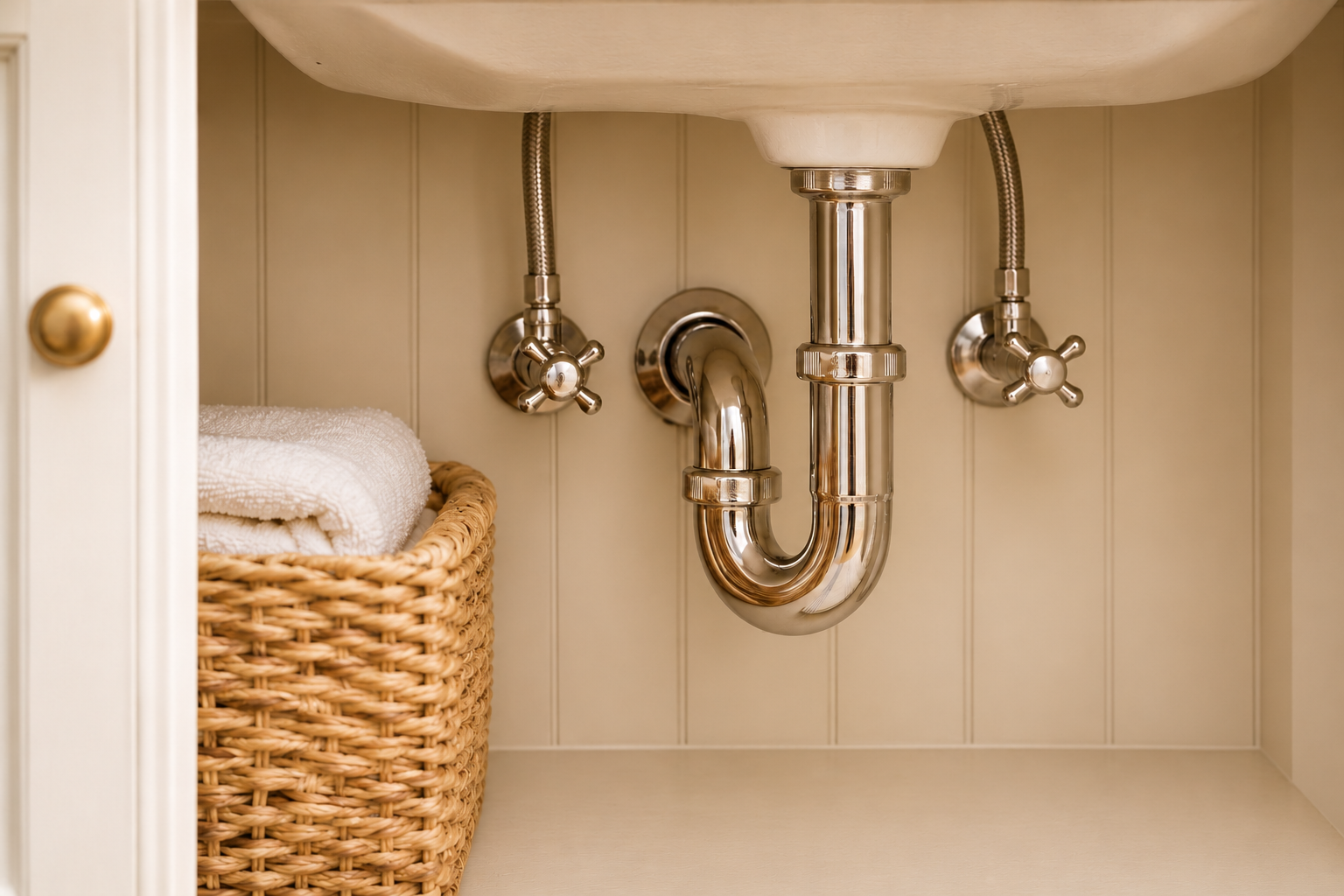
Periodically look under sinks, around toilets, behind accessible appliances, and near the water heater for moisture, corrosion, or other signs of trouble.
Make sure household members know the location of the main water shutoff valve.
Pro Tip: If a pipe freezes, shut off the water supply if necessary and use only safe, gentle warming methods. Never use an open flame. If a pipe has burst or cannot be safely thawed, contact a plumber.
06 / Maintain the Fireplace & Chimney
A fireplace may be one of winter's greatest pleasures, but frequent use calls for consistent attention.
For wood-burning fireplaces, allow ashes to cool completely before transferring them to a covered metal container stored outdoors, away from combustible materials. Embers can remain hot long after a fire appears extinguished. Use properly seasoned, dry firewood and avoid burning treated lumber, trash, cardboard, or other inappropriate materials.
Look for damaged screens, unusual smoke behavior, deterioration in the firebox, or changes in how the damper operates.
Maintain safe clearance around the hearth, particularly when decorating for the holidays.
Pro Tip: If smoke begins entering the room, the chimney isn't drafting properly, or you notice unusual odors, stop using the fireplace until the cause has been investigated.
07 / Check Windows, Doors & Weatherstripping
Even after fall preparations, winter is a great time to identify air leaks because drafts become much more noticeable.
Inspect windows and doors on cold or windy days. Feel for drafts around frames, thresholds, and door sweeps. Check for damaged weatherstripping or areas where exterior caulk has failed.
Monitor window condensation. Wipe away persistent moisture and investigate any water staining or damage to surrounding trim and sills.
Check locks and hardware. Temperature changes can cause wood doors to expand or contract, sometimes affecting alignment and operation.
Inspect seldom-used entrances. Basement doors, garage service doors, and secondary entrances are easy to overlook.
Pro Tip: A professional energy audit, ideally including blower-door testing, can help identify hidden air leaks and insulation deficiencies. This is particularly worthwhile in older homes or rooms that never seem comfortable.
08 / Inspect the Attic, Basement & Crawlspace
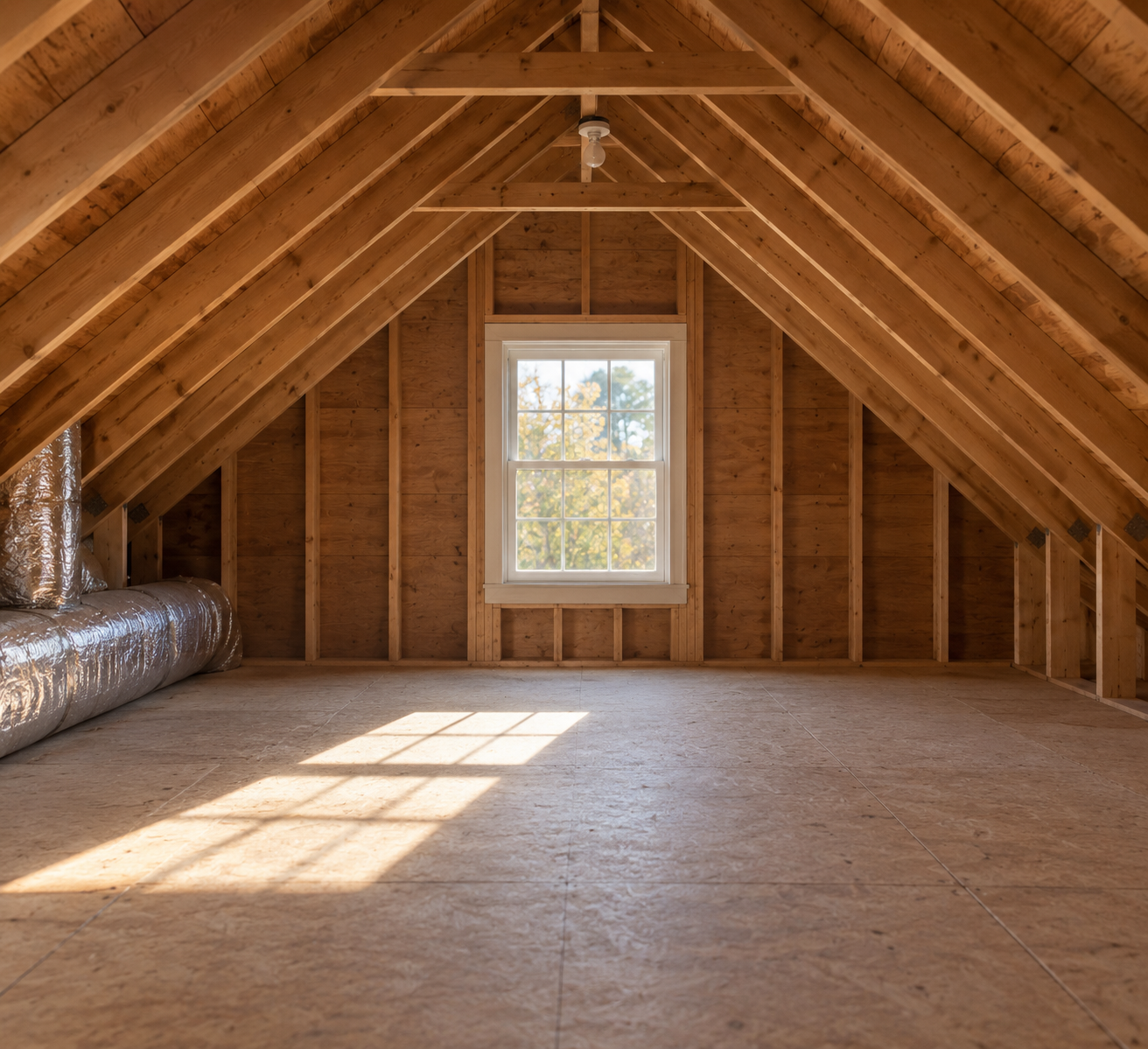
These less frequently visited spaces often provide the first evidence of winter-related problems. Specifically look for:
condensation, water stains, damp insulation, or musty odors. In the attic, pay particular attention after significant snowfall or during a thaw.
frost or unusual ice accumulation. Frost on attic roof sheathing can indicate warm, moist indoor air entering the attic. Repeated occurrences warrant investigation.
pest activity, such as droppings, nesting materials, or evidence of entry points. Rodents and other pests often seek shelter indoors during cold weather.
Expert Tip: If you discover damp or frost-covered attic insulation, don't assume the solution is simply adding more insulation. Air sealing and moisture control may need to be addressed first.
09 / Inspect the Garage & Utility Areas
Garages and utility rooms tend to receive less attention than finished living spaces, but winter can expose vulnerabilities here as well.
Inspect weather seals on the garage door and make sure the door closes properly. Test the automatic reversal and photoelectric safety systems according to the manufacturer's instructions.
Keep paints, adhesives, cleaning products, and other temperature-sensitive supplies within their recommended storage ranges. Some products are permanently damaged by freezing.
Check pipes, utility sinks, and water connections in unheated garages.
Avoid stacking storage against electrical panels, furnaces, water heaters, or other equipment that requires ventilation or service clearance.
10. Maintain Appliances & Household Equipment
Winter is an excellent time to attend to equipment that works quietly in the background throughout the year.
Clean the dryer exhaust system. Remove accumulated lint from the dryer and exhaust duct according to the manufacturer's guidance. A blocked vent is both a performance and fire-safety concern.
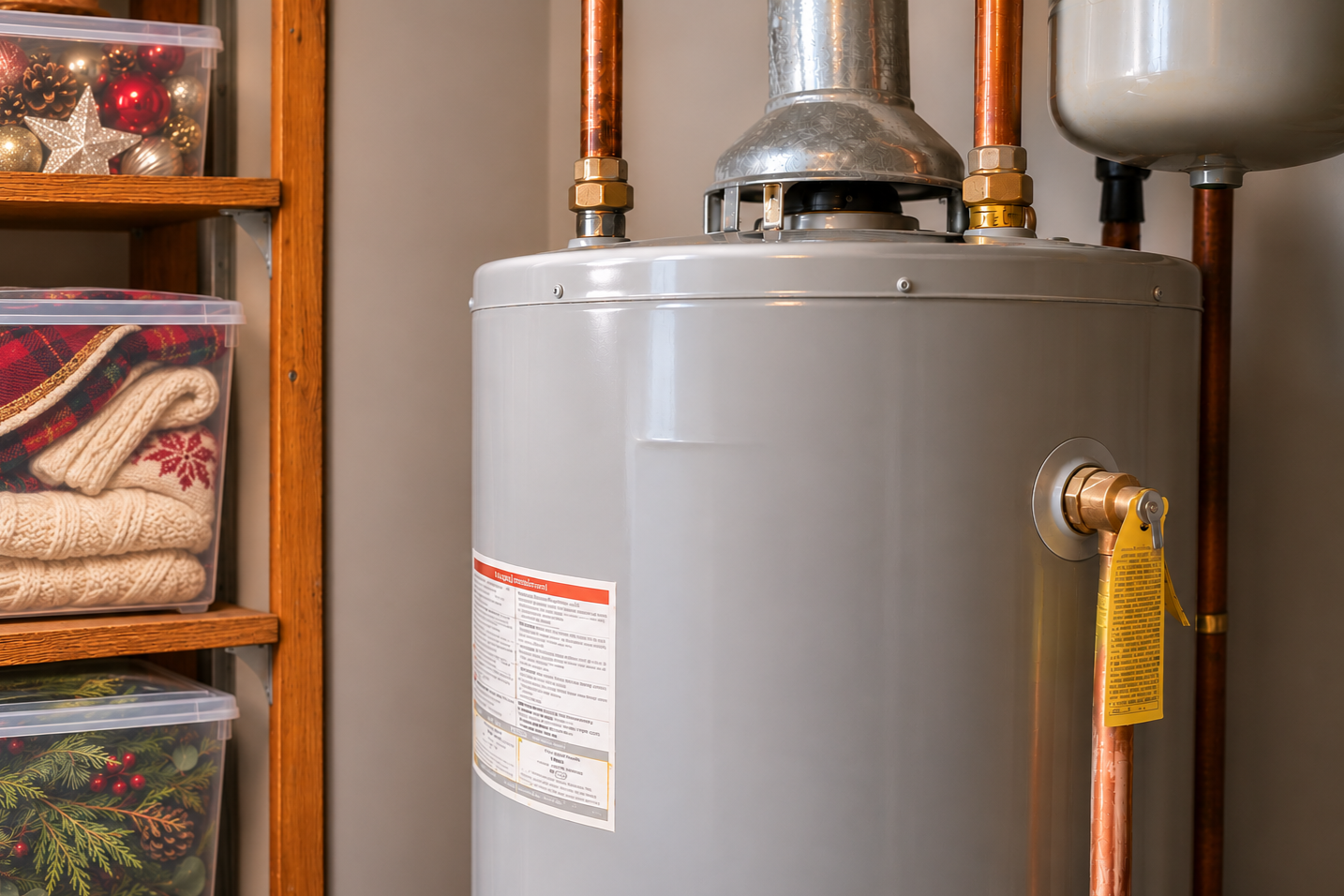
Check the water heater. Inspect for visible leaks, corrosion, or unusual noises. Follow the manufacturer's maintenance recommendations, including flushing or professional service where appropriate.
Maintain ventilation fans. Clean accessible bathroom exhaust grilles and range-hood filters.
Inspect appliance water connections. Check the washing machine, dishwasher, and refrigerator water line for signs of leakage.
Review appliance maintenance schedules. Use this quieter season to catch up on manufacturer-recommended cleaning and service.
Pro Tip: Keep a record of appliance model numbers, filter sizes, replacement parts, and service dates. A little organization saves considerable time when something needs attention.
11 / Review Fire Safety & Emergency Preparedness
Winter brings greater reliance on heating equipment, fireplaces, and electrical devices.
Test smoke and carbon monoxide alarms.
Confirm that extinguishers are accessible, properly maintained, and appropriate for their locations.
Use space heaters carefully — keep portable heaters at least three feet from combustible materials unless the manufacturer requires greater clearance. Plug them directly into suitable wall outlets rather than extension cords or power strips.
Prepare for power outages. Keep flashlights, batteries, backup phone chargers, and essential supplies accessible.
Review water shutoffs, the electrical panel, and relevant utility emergency numbers.
Expert Tip: If you use a portable generator, operate it outdoors, at least 20 feet from doors, windows, and vents, with the exhaust directed away from the house. Never run one in a garage or enclosed space.
12 / Care for the Garden & Landscape
Most major gardening work should be completed in the fall, but winter still requires occasional attention.
Protect vulnerable plants by checking winter coverings and mulch after storms or high winds.
Monitor winter watering needs for established trees and shrubs. They may benefit from occasional winter watering when the ground is unfrozen and conditions are suitable.
Remove heavy snow carefully by gently brushing loose, heavy snow from vulnerable evergreen branches when safe to do so. Avoid striking or shaking frozen branches.
Limit foot traffic on frozen or frost-covered lawns to prevent damage to the turf.
Inspect trees after storms and arrange professional attention for broken or dangerous limbs.
Pro Tip: Winter is a useful time to observe the garden's structure. With deciduous plants dormant, it's easier to identify gaps in screening, awkward sightlines, and areas that could benefit from additional evergreen planting in spring.
You May Also likE